
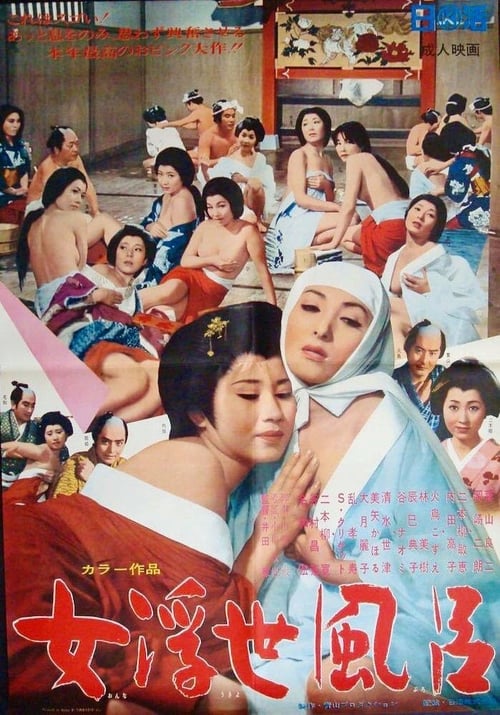
Tokyo Bordello
1987
No user ratings available yet
Representation score: 5.9 out of 10
Representation Score
Limited
1968
XDirector
Motomu Ida
Runtime
84 minutes
Average Rating
No ratings yetNew Showbiz Analysis
Tokyo Bath Harem operates as a traditional historical drama addressing the harsh realities of illegal female slave trading. While it critiques exploitative social structures, the narrative ability to act is firmly tied to masculine leadership and state-sanctioned reforms. The film's perspective is grounded in preserving social order. The protagonist's mission to enforce law and promote legislative change upholds a conventional hierarchy rather than challenging it. Overall, the work lacks the layered complexity or diverse character perspectives needed to transcend a typical period melodrama.
Category Breakdown
The film does not feature any explicit LGBTQ+ characters or narratives. The plot revolves around traditional social orders and gender-segregated bathing laws, avoiding discussions of queer identities.
Though the story critiques the exploitation of women through illegal slave trading, the main ability to act lies with a male protagonist. Women are primarily shown as vulnerable subjects of trade.
Set in 18th-century Japan, the film features an ethnically homogeneous cast reflecting the historical demographics without interracial dynamics.
The narrative centers on internal systemic reform and state-driven stability. It examines institutional corruption within the existing Japanese social hierarchy of the time.
There are no characters with visible or invisible disabilities mentioned in the narrative.
Present on Screen
Limited or Absent
Official Synopsis
A public bath house is the scene of illegal female slave trading operations in 18th century Japan and government spy Shinzo is sent in to expose the ringleaders as well as working to get a law passed eliminating coed bathing.
1987

1956

2006
1961
1990
1953

1992

1987
No reviews yet. Be the first to share your thoughts on this movie!
Use the rating form above to leave a star rating and optional review.