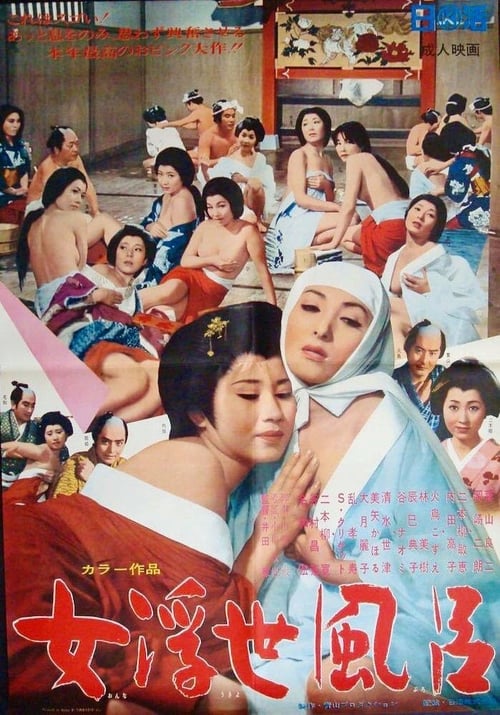
Tokyo Bath Harem
1968
No user ratings available yet
Representation score: 3.4 out of 10
Representation Score
Fair
1987
Director
Hideo Gosha
Runtime
127 minutes
Average Rating
No ratings yetNew Showbiz Analysis
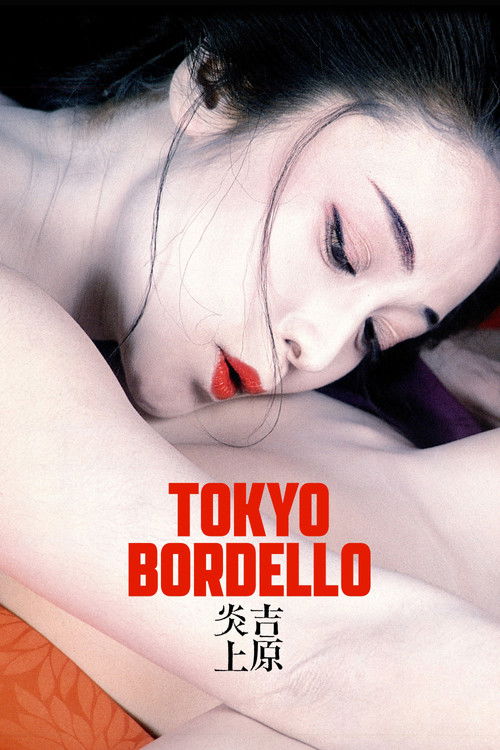
Tokyo Bordello is a period drama centered on the struggle for individual ability to act within a restrictive, patriarchal system. The film's strength lies in its subversion of traditional gender roles, positioning the female experience as the primary driver of the conflict. While the film lacks explicit LGBTQ+ representation or multi-ethnic casting, it provides a sophisticated critique of social hierarchies. It uses the underrepresented space of the Yoshiwara district to explore themes of systemic oppression and the rejection of corrupt social institutions. Ultimately, the film's diversity is found in its thematic depth and its focus on the human struggle against rigid social frameworks, even within a historically homogeneous setting.
Category Breakdown
The film focuses on the Yoshiwara district, where non-traditional domestic arrangements exist, but there is no explicit depiction of same-sex relationships or queer-coded character arcs.
The story revolves around Hisano, a female protagonist who fights against a patriarchal economic system. She challenges typical submissive female roles found in period dramas by taking control of her life.
Set in historical Tokyo, the film explores internal social stratification and the 'othering' of individuals living in the underrepresented Yoshiwara district, within a largely homogeneous Japanese context.
The narrative critiques traditional social structures by portraying respected figures as ruined and institutions as corrupt, emphasizing individual liberation over oppressive social constraints.
There is no evidence regarding the inclusion or portrayal of characters with physical or neurodivergent disabilities.
Present on Screen
Limited or Absent
Official Synopsis
A ruined businessman was forced to sell his daughter, Hisano, to a brothel in Yoshiwara, the largest red-light district in Tokyo. The owner of the brothel has hopes to make her a great new addition which will attract the richest of customers. But after several months of training, she tries to flee Yoshiwara when the time has come for her to take her first customer...
1968

1956

2006

1998
1990

1978
1983
1995
No reviews yet. Be the first to share your thoughts on this movie!
Use the rating form above to leave a star rating and optional review.