
September 1923
2023
No user ratings available yet
Representation score: 3.4 out of 10
Representation Score
Fair
1953
Director
Tadashi Imai
Runtime
130 minutes
Average Rating
No ratings yetNew Showbiz Analysis
Tadashi Imai’s film stands as a significant social commentary. By using an anthology structure through a woman's diary, the film elevates female subjectivity and centers the internal lives of underrepresented figures. The film’s strength lies in its exploration of the tension between individual identity and societal mandates. It shifts away from traditional hero-centric narratives to examine how systemic pressures impact women. While the film does not specifically address LGBTQ+ or disability representation, its emphasis on women's ability to drive the story marks a meaningful departure from the patriarchal storytelling prevalent in the 1950s.
Category Breakdown
The film does not explicitly show non-straight relationships or intimate moments between LGBTQ+ characters. It reflects the social norms typical of mid-century period dramas.
The film focuses on the challenges faced by women and centers a female protagonist who shapes the narrative. This disrupts the usual male-dominated storytelling.
As a Japanese production, the film provides a non-Western viewpoint. It offers a culturally specific lens that challenges the dominance of Western cinema.
The film examines the conflicts arising from traditional social structures and subjective morality. It highlights the pressures of maintaining social stability.
There are no characters with visible or invisible disabilities in the film.
Present on Screen
Limited or Absent
Official Synopsis
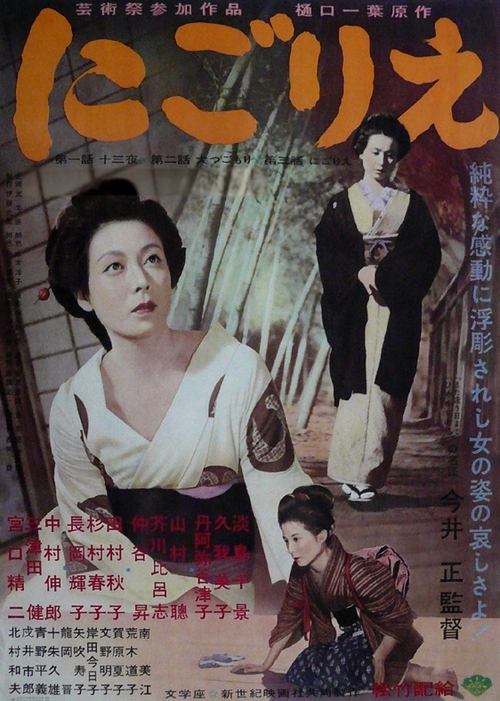
A Japanese woman writes down three stories she has witnessed or heard of in her diary, each about the difficult situation a young woman finds herself in.
2023

1956

1949
1952

1963
1968

1987
2019
No reviews yet. Be the first to share your thoughts on this movie!
Use the rating form above to leave a star rating and optional review.