
The Exile
2015
No user ratings available yet
Diversity score: 5.6 out of 10
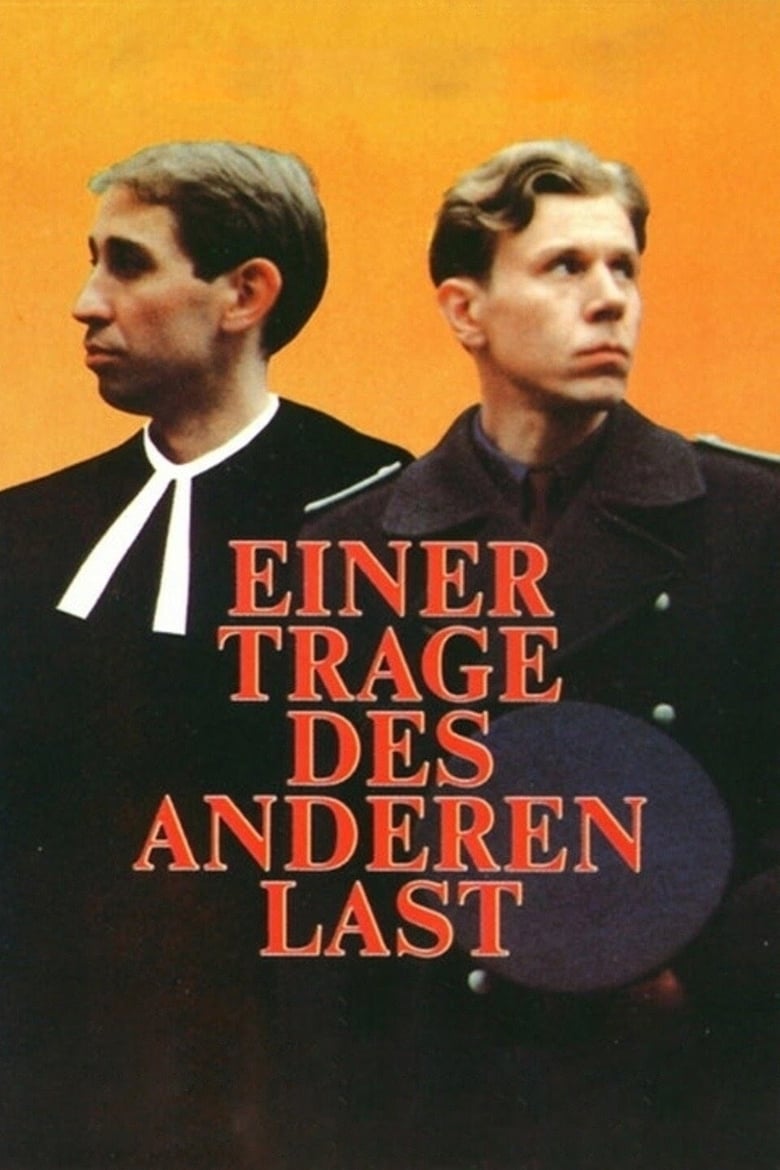
1988
Director
Lothar Warneke
Runtime
118 minutes
Average Rating
No ratings yetSynopsis
At the beginning of the 50s, two extremely disparate men meet in a private sanatorium for consumptives: an officer in the People's Police, Josef Heiliger; and a young Protestant curate, Hubertus Koschenz. On account of their consumption, they have to share a room. Initially, this is the only thing they have in common. The film explores Hubertus's struggle with his sexuality within the context of both the church and the socialist state.
Overall Score
Good
Category Breakdown
LGBTQ+ Representation
The film centers on Hubertus Koschenz’s struggle with his sexuality. It critiques how state surveillance and religious institutions intersect to marginalize non-conforming identities.
Gender Representation
The narrative focuses on a male-centric dynamic between two men. It lacks significant subversion of gendered power dynamics, prioritizing class and sexual identity instead.
Racial & Ethnic Diversity
The cast reflects the demographic homogeneity of 1950s East Germany. There is no evidence of intersectional racial diversity or race-bent casting.
Religious & Cultural Diversity
The story engages with moral relativism by portraying the Church and Socialist State as competing oppressive forces. It prioritizes individual truth over institutional dogma.
Disability Representation
Tuberculosis serves as a critical plot driver rather than mere inspiration. The shared illness strips away social status to force a raw, humanistic connection.
Strengths
Areas for Improvement
AI Analysis
This film offers a sophisticated interrogation of how institutional power impacts individual agency. By placing a state official and a religious figure in a shared space of vulnerability, it deconstructs mid-century social hierarchies. The narrative excels in its nuanced portrayal of LGBTQ+ struggles within a restrictive political landscape. It uses the physical frailty of its characters to bypass professional status, creating a profound study of identity. However, the film remains limited by the demographic homogeneity of its era. While it challenges religious and political structures, it lacks racial diversity and significant gender-based subversion.
2015
1981

2016

2005
1997
2005

1959
2010
2008

2001
1984

2013
No reviews yet. Be the first to share your thoughts on this movie!
Use the rating form above to leave a star rating and optional review.