The Endless Trench
2019
No user ratings available yet
Representation score: 5.1 out of 10
Representation Score
Good
2015
Director
Arturo Ruiz Serrano
Runtime
87 minutes
Average Rating
No ratings yetNew Showbiz Analysis
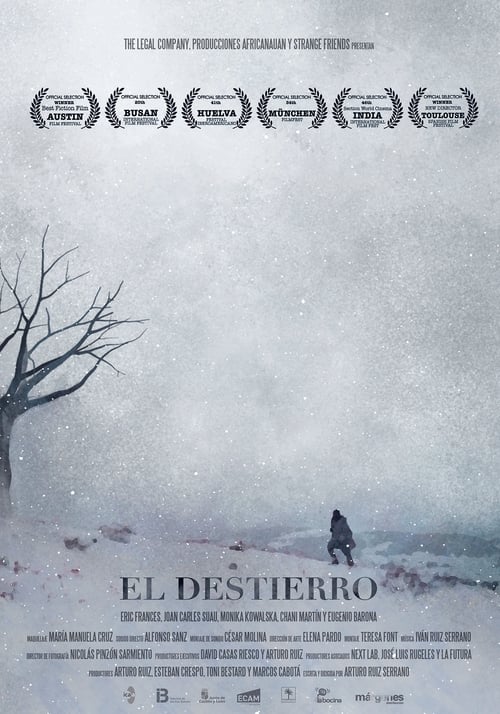
The Exile is a claustrophobic character study that finds its strength in interpersonal friction rather than broad demographic variety. It uses a small, isolated setting to challenge traditional hierarchies, particularly through the introduction of a female militia member into a masculine, clerical environment. While the film lacks racial and ethnic diversity, it excels at exploring the intersection of religious and political identities. The tension between the seminarian and the soldier provides a nuanced look at how individuals navigate morality outside of institutional oversight. Ultimately, the film functions as a study of how individuals, even those who are underrepresented or wounded, can destabilize established social structures, even within a highly homogeneous historical context.
Category Breakdown
The film explores a tense relationship between Teo and Silverio, suggesting a complex subtext of repressed identity or redirected tension due to their forced proximity.
Solska, a wounded militia woman, disrupts the male-dominated fortress. Her presence acts as a catalyst that shifts the social equilibrium and gives her significant influence over the story.
The narrative focuses on a relatively homogeneous cast, set in the specific socio-political landscape of mid-20th century Spain.
The film deconstructs institutional authority by pitting a seminarian against a militant. It prioritizes situational ethics over singular religious or state morality within its isolated setting.
Solska’s status as a wounded individual introduces themes of physical vulnerability. Her condition forces the characters to navigate the realities of bodily fragility and care.
Present on Screen
Limited or Absent
Official Synopsis
In Spain during civil war, a seminarian, Teo, is assigned to a small, remote fortress on the top of the mountain. Teo has to share a tiny place with Silverio who is already stationed there. They argue with each other over all aspects, including their personality, values and way of living. As time passes they come to understand each other and strike the subtle balance of everyday lives together. But the balance starts to shake when Solska, a wounded militia woman, comes and lives with them.
2019
2015
1976
1984

2019
2016
2005

2017
No reviews yet. Be the first to share your thoughts on this movie!
Use the rating form above to leave a star rating and optional review.