Apneia
2014
No user ratings available yet
Representation score: 7.7 out of 10
Representation Score
Good
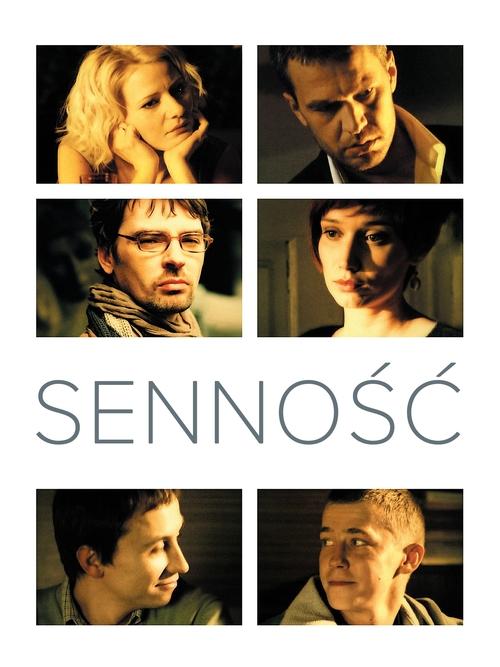
2008
Director
Magdalena Piekorz
Runtime
105 minutes
Average Rating
No ratings yetNew Showbiz Analysis
Drowsiness centers underrepresented identities, such as neurodivergence and LGBTQ+ perspectives, within a serious dramatic framework. By making a gay doctor and a narcoleptic woman central to the emotional narrative, the film avoids treating these identities as secondary or comedic elements. The film's strength lies in its refusal to trivialize disability, instead exploring how chronic conditions affect a person's reality and ability to act. This creates a profound study of human existence beyond conventional productivity. However, the film's focus on shared existentialism somewhat dilutes its impact on gender-specific power dynamics. While the female experience is central, the narrative leans toward universal suffering rather than a direct critique of gendered social structures.
Category Breakdown
A gay doctor is a key figure in the film's emotional core and is part of the main narrative rather than being used as a stereotypical character.
The story revolves around a female protagonist dealing with narcolepsy. The film emphasizes bodily autonomy but focuses more on shared existential struggles than challenging gender hierarchies.
There is no specific information available regarding the racial composition of the cast. The film appears to be a localized European drama with no explicit ethnic details provided.
The narrative challenges societal norms by focusing on terminal illness and non-traditional identities. It prioritizes individual psychological truth over traditional social or religious structures.
Narcolepsy is central to the plot, portrayed as a lived experience affecting emotions and daily life.
Present on Screen
Limited or Absent
Official Synopsis
The emotional inertia and chaos affecting a narcoleptic woman, a fatally ill writer and a gay doctor, and their attempts to escape from their dead-end situations.
2014

1989

2008

2011

2018
2009
2011
2019
No reviews yet. Be the first to share your thoughts on this movie!
Use the rating form above to leave a star rating and optional review.