
The Great St. Louis Bank Robbery
1959
No user ratings available yet
Diversity score: 1.9 out of 10
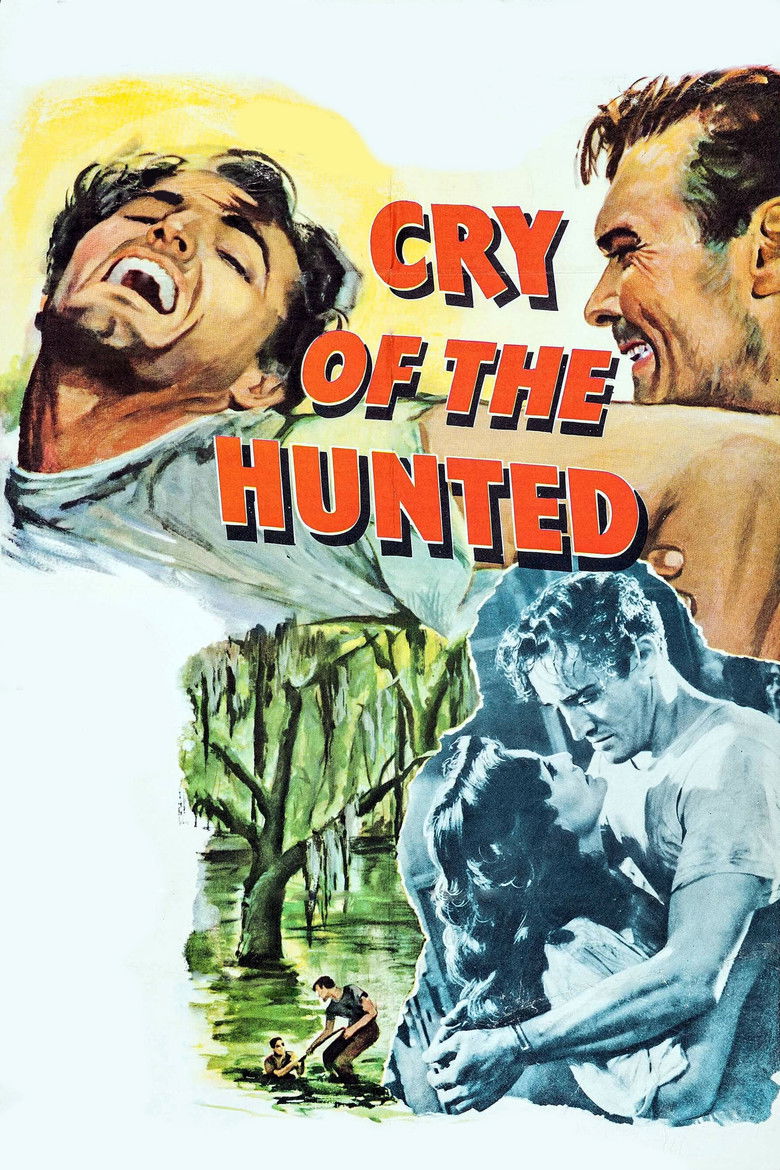
1953
NRDirector
Joseph H. Lewis
Runtime
80 minutes
Average Rating
No ratings yetSynopsis
A prison convict escapes through the Louisiana swamps.
Overall Score
Minimal
Category Breakdown
LGBTQ+ Representation
The film contains no documented evidence of non-heteronormative identities. There are no narratives present that critique heteronormativity.
Gender Representation
The narrative likely adheres to traditional mid-century gender hierarchies common to the crime genre. No evidence exists of subverting these roles.
Racial & Ethnic Diversity
The Louisiana setting historically involves diverse populations, but the film lacks confirmed characters of color with high agency. Casting appears likely to be homogeneous.
Religious & Cultural Diversity
The film operates within the conventional morality of 1953. It follows traditional themes of law and order rather than deconstructing Western institutions.
Disability Representation
There is no information regarding the inclusion of characters with physical or neurodivergent disabilities.
Strengths
Areas for Improvement
AI Analysis
Cry of the Hunted is a standard 1953 crime thriller centered on a prison escape through Louisiana swamps. The film follows a traditional genre framework focused on survival and conflict within the social constraints of its era. Because the narrative relies on established tropes of law and consequence, it lacks documented attempts at systemic subversion. The production appears to mirror the conventional social hierarchies and homogeneous casting typical of mid-century noir cinema. Without specific character arcs or casting details, the film presents a narrow view of the human condition. It functions as a period-accurate genre piece rather than a work of intersectional depth.
1959
1956

1951

1947

1949
1960

1953
1954

1952

1954
1957

1955
No reviews yet. Be the first to share your thoughts on this movie!
Use the rating form above to leave a star rating and optional review.