Robbery
1967
No user ratings available yet
Representation score: 1.8 out of 10

Representation Score
Minimal
1959
NRDirector
John Stix, Charles Guggenheim
Runtime
85 minutes
Average Rating
No ratings yetNew Showbiz Analysis
This 1959 documentary serves as a standard journalistic record of mid-century crime and law enforcement. It prioritizes factual reconstruction over social or narrative experimentation. The film’s structure adheres to the traditional hierarchies of its era, focusing on a male-centric, socio-economically specific event that aligns with the demographic norms of the late 1950s. Ultimately, the work lacks the intentionality needed to disrupt conventional patterns. It operates within a rigid framework that does not engage with overlapping identities or challenge institutional norms.
Category Breakdown
The film does not include any LGBTQ+ characters or address non-assuming gender matches what was assigned at birth identities.
The narrative centers on male-dominated spheres of the 1950s criminal underworld and police force, reinforcing traditional gender hierarchies by excluding women's ability to drive the story.
The subjects reflect the demographic homogeneity typical of 1959 newsreel reporting, with no evidence of intentional racial blending or a diverse majority cast.
The film functions as factual reportage that reinforces traditional Western social orders, focusing on the restoration of law and order through institutional police response.
There is no documented presence of characters or subjects with visible or invisible disabilities, and disability is not used as a narrative device.
Present on Screen
Limited or Absent
Official Synopsis
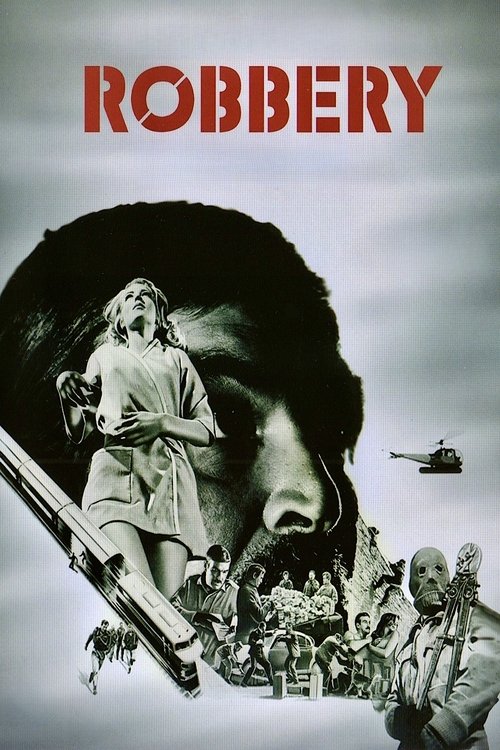
Career criminals and a local youth carefully plan and rehearse the robbery of a Missouri bank.
1967

1955
1960
1972
1953

1950
1957

1972
No reviews yet. Be the first to share your thoughts on this movie!
Use the rating form above to leave a star rating and optional review.