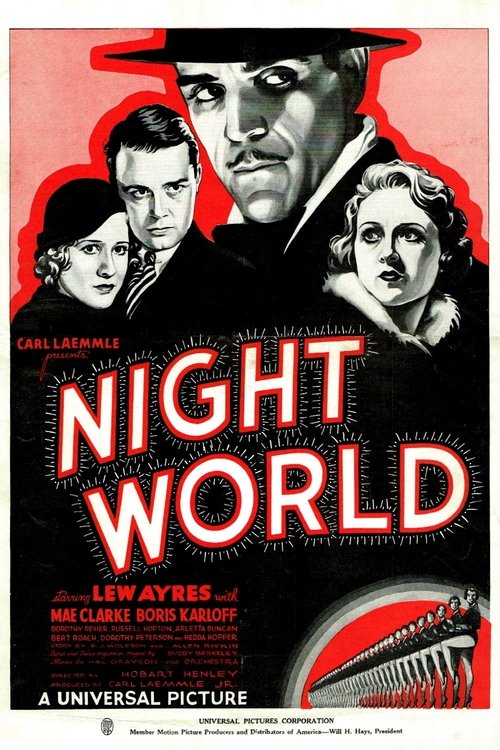
Night World
1932
No user ratings available yet
Diversity score: 3.2 out of 10
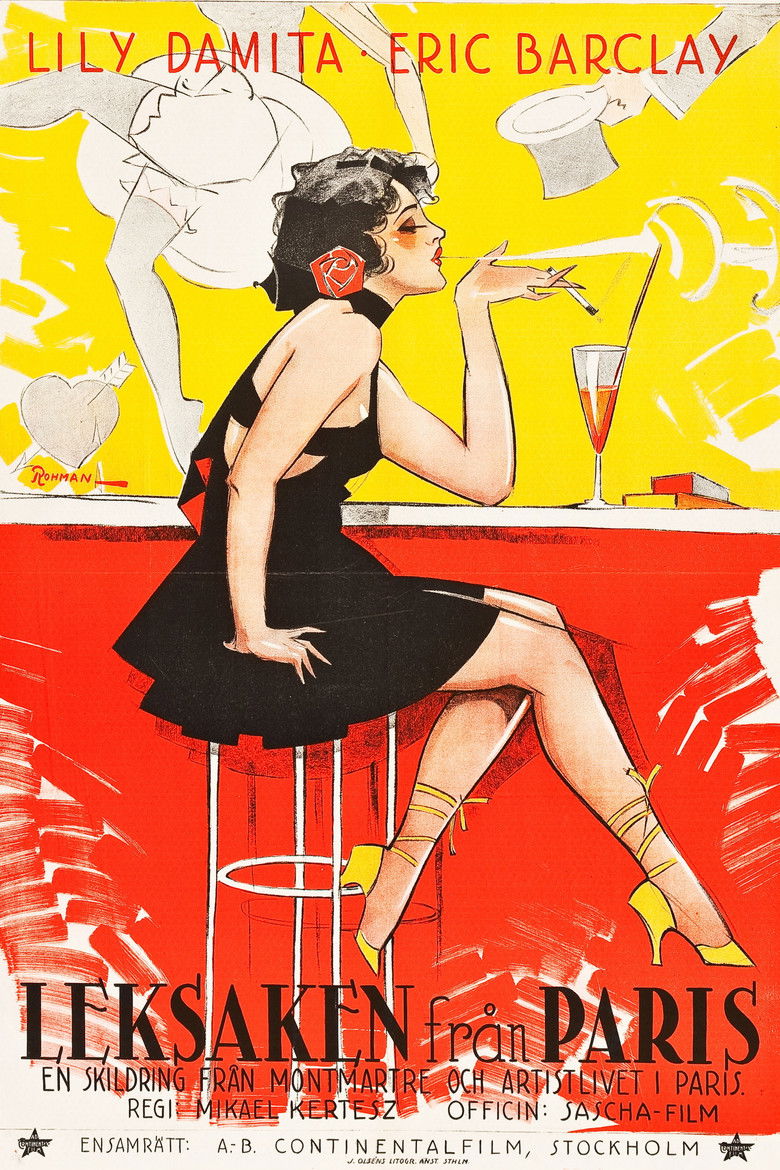
1925
Director
Michael Curtiz
Runtime
113 minutes
Average Rating
No ratings yetSynopsis
A British playboy in Paris marries a dancer and convinces her to give up her career to move to a small cottage in the country. One night at a party given by her former manager, she is persuaded to perform one of the dances she was renowned for. That leads to a fight with her husband, who runs out of the party in the middle of a raging storm. Her subsequent search for him ends up placing her life in danger.
Overall Score
Limited
Category Breakdown
LGBTQ+ Representation
The film centers on a traditional heteronormative marriage. There is no evidence of non-cisnormative identities or same-sex intimacy within the narrative.
Gender Representation
The plot explores the friction between female professional autonomy and male-dominated domestic expectations. While the protagonist shows agency, the conflict is rooted in traditional gender hierarchies.
Racial & Ethnic Diversity
Set in Paris with a British protagonist, the film appears to feature a predominantly Eurocentric cast. It reflects the homogeneous casting standards of 1920s European cinema.
Religious & Cultural Diversity
The story focuses on individual desire versus marital obligation. It functions as a character-driven drama within the established social mores of the period.
Disability Representation
The provided synopsis and historical context contain no mention of characters with visible or invisible disabilities.
Strengths
Areas for Improvement
AI Analysis
Red Heels is a product of its era, operating within the conventional social hierarchies and Eurocentric frameworks of 1920s silent cinema. The narrative focuses heavily on heteronormative domestic conflict and traditional romantic structures. While the female lead demonstrates a degree of agency by reclaiming her professional identity, the central tension remains tied to male-dominated expectations of domesticity. The film lacks significant representation of diverse identities or non-white characters. Ultimately, the work serves as a melodrama that reflects the social and cinematic conventions of the mid-1920s rather than challenging them.
1932
1929

1914
1935
1917
1927
1934

1927
1936
1936
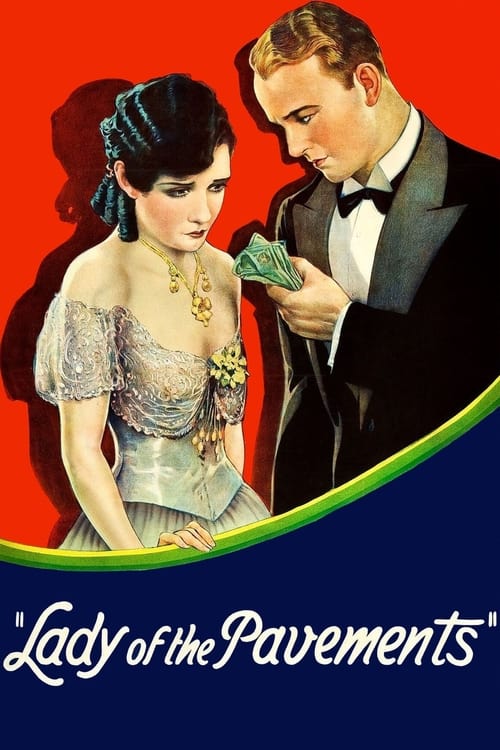
1929
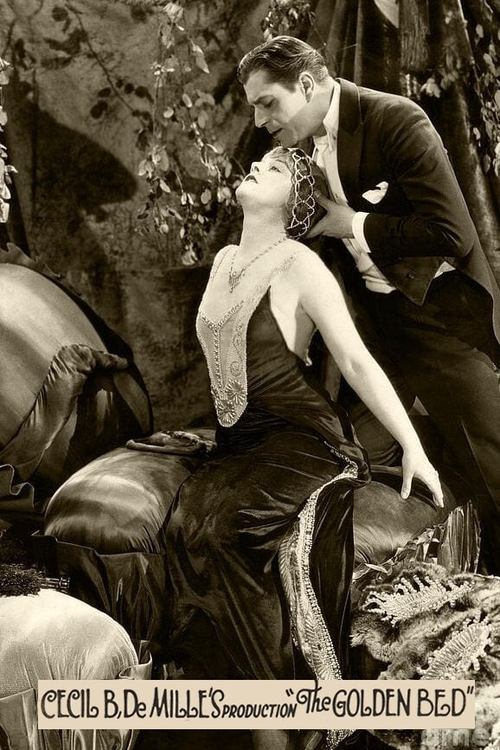
1925
No reviews yet. Be the first to share your thoughts on this movie!
Use the rating form above to leave a star rating and optional review.