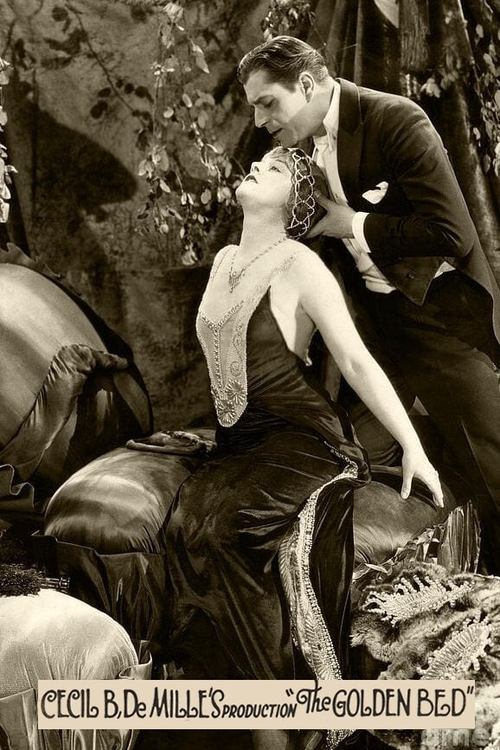
The Golden Bed
1925
No user ratings available yet
Representation score: 1.4 out of 10
Representation Score
Limited
1917
Director
Anton Giulio Bragaglia
Runtime
35 minutes
Average Rating
No ratings yetNew Showbiz Analysis
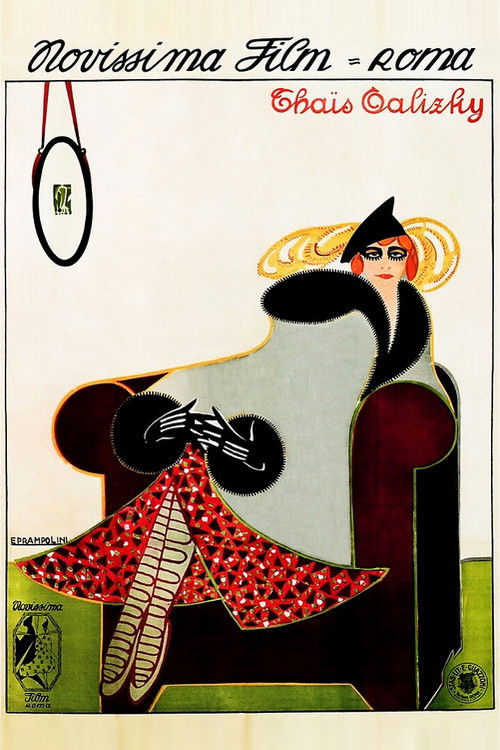
Thaïs (1917) adheres to the conventional social hierarchies and gendered archetypes prevalent in early 20th-century cinema. The film emphasizes classical melodrama and moral causality over disrupting systemic norms or representing multi-layered identities. While the inclusion of a Slavic countess offers a minor deviation from Anglo-Saxon dominance, the overall narrative remains firmly anchored in traditional storytelling. The portrayal of the female lead relies heavily on established stereotypes rather than nuanced character development. The work reflects the era's focus on moral consequences and patriarchal anxieties, lacking modern social diversity or subversion.
Category Breakdown
The film focuses on heterosexual relationships and infidelity, with no representation of LGBTQ+ identities or critiques of the assumption that everyone is straight or cisgender.
Vera is portrayed as a 'femme fatale,' reinforcing traditional fears about women's influence. Her role is tied to destructive romantic pursuits rather than challenging gender roles.
The film includes a Slavic countess, providing a break from Anglo-Saxon dominance. However, the representation is confined to a specific European aristocratic setting.
The plot revolves around the moral consequences of seduction and ruin, serving as a cautionary tale about traditional social behavior and morality.
There are no characters with visible or invisible disabilities featured in the film.
Present on Screen
Limited or Absent
Official Synopsis
The beautiful Thaïs Galitzy plays Vera, a Slavic countess, a seductress who drags married men to the brink of ruin. When she seduces the husband of her best friend, all involved meet a nasty fate.
1925

1929
1920

1930

1923
1922
1920

1927
No reviews yet. Be the first to share your thoughts on this movie!
Use the rating form above to leave a star rating and optional review.