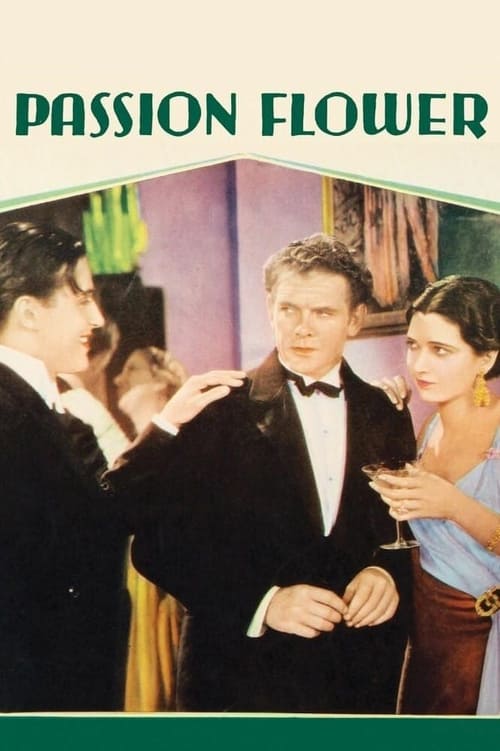
Passion Flower
1930
No user ratings available yet
Diversity score: 3.1 out of 10

1929
Director
Mario Camerini
Runtime
91 minutes
Average Rating
No ratings yetSynopsis
A young honeymooning couple are lured away to a seaside resort by a high-society sleazeball, who has plans to seduce the girl, while at the same time her hubby in desperation stakes all his money on the roulette wheels.
Overall Score
Limited
Category Breakdown
LGBTQ+ Representation
The film centers on a traditional heteronormative honeymooning couple. There is no evidence of non-cisnormative identities or same-sex intimacy within the narrative.
Gender Representation
The plot highlights female vulnerability against a predatory socialite. However, it disrupts traditional masculinity by depicting the husband through a lens of desperation and financial failure.
Racial & Ethnic Diversity
The cast appears predominantly homogeneous, reflecting the localized Italian production models of 1929. No significant racial blending or color-blind casting is present.
Religious & Cultural Diversity
The story offers a critique of class-based morality by framing high-society figures as predatory. It suggests that social status does not guarantee ethical virtue.
Disability Representation
There are no visible or invisible disabilities central to the character arcs or the plot progression.
Strengths
Areas for Improvement
AI Analysis
Rails (1929) functions as a period-specific social drama that prioritizes socioeconomic struggle over modern intersectional markers. While the film adheres to the heteronormative and homogeneous standards of its era, it avoids purely idealized depictions of social hierarchies. The narrative finds strength in its subversion of class tropes, portraying the upper class as morally questionable rather than inherently virtuous. It also presents a more fragile version of masculinity through a protagonist driven by desperation. Ultimately, the film's diversity is limited by its historical context, focusing on domestic social strata and class-based tension rather than racial or gender-based liberation.
1930
1947
1931
1929
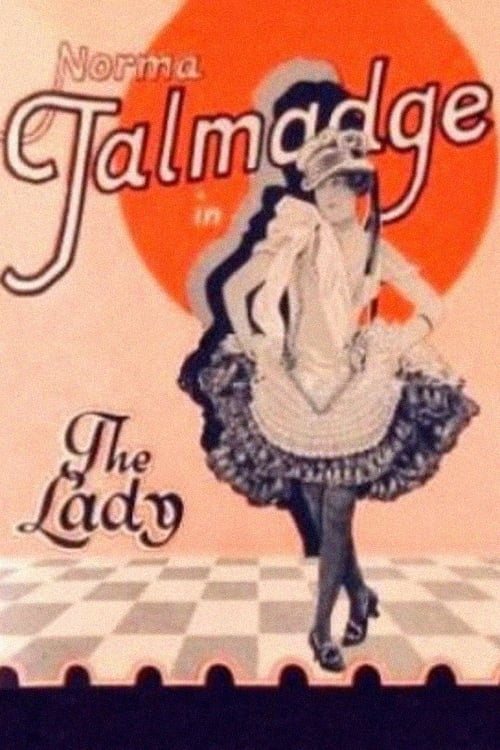
1925
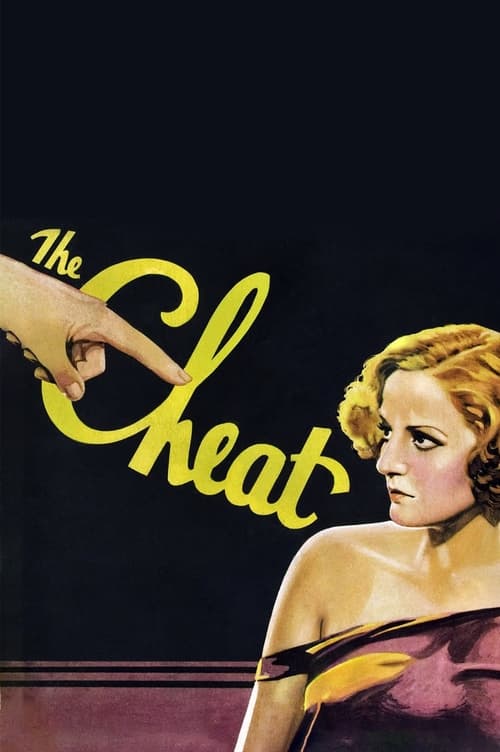
1931
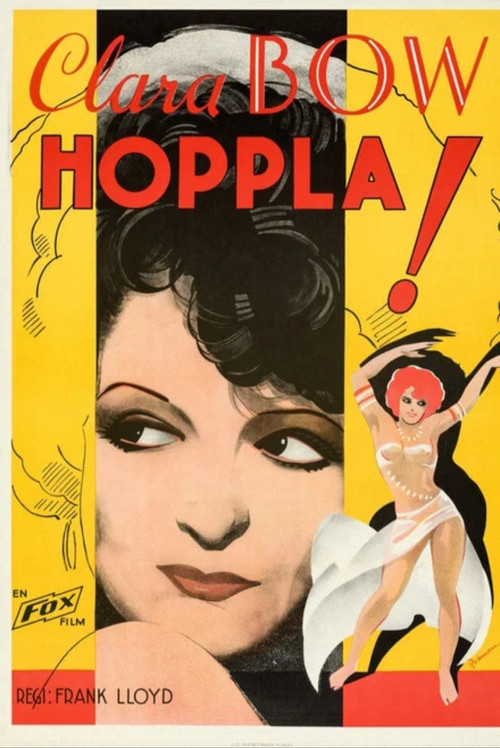
1933
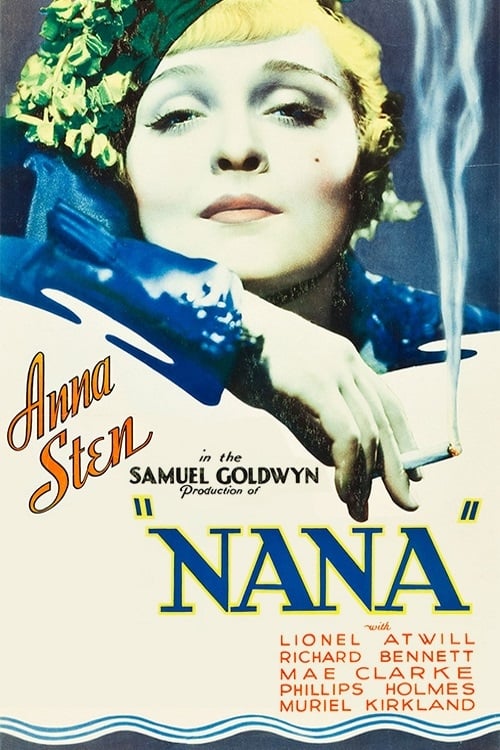
1934
1925
1933
1915
1948
No reviews yet. Be the first to share your thoughts on this movie!
Use the rating form above to leave a star rating and optional review.