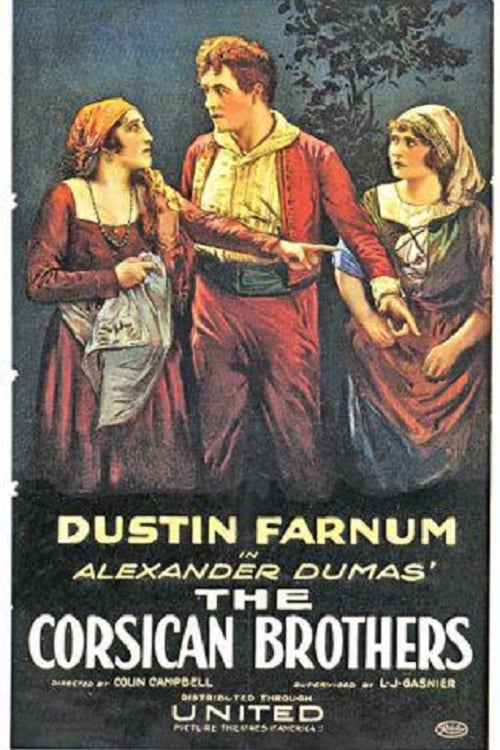
The Corsican Brothers
1920
No user ratings available yet
Representation score: 0.4 out of 10
Representation Score
Minimal
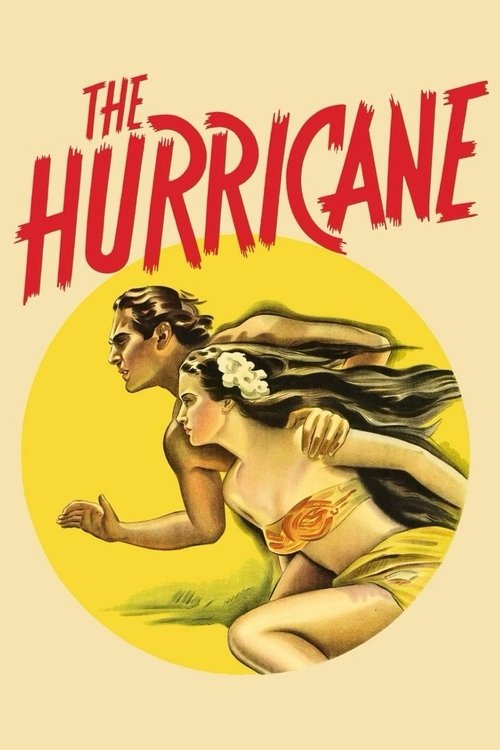
1937
ApprovedDirector
John Ford
Runtime
104 minutes
Average Rating
No ratings yetNew Showbiz Analysis
The Hurricane serves as a period piece from 1937, reflecting the social norms of its time. While it introduces a Polynesian setting, it does not challenge the power dynamics prevalent during that era. The film relies on traditional narrative structures where conflicts are resolved through colonial governance and established legal systems. This approach prevents the story from achieving cultural autonomy or addressing multi-layered issues. Ultimately, the film is a conventional drama focused on individual struggles against nature and authority, without challenging broader societal structures.
Category Breakdown
The film does not include any queer subtext or non-cisgender identities. The romantic storyline centers around a heterosexual marriage.
The female protagonist plays a significant role in the story, but male characters primarily drive the plot. The film upholds mid-century gender hierarchies where men serve as primary protectors.
Set in Polynesia, the film deviates from Anglo-centric narratives but still frames the indigenous experience through colonial laws. The story remains rooted in colonial perspectives.
The narrative emphasizes Western institutions by focusing on petitions to a governor and legal clemency. It prioritizes restoring social order over dismantling colonial systems.
The film does not feature any characters with visible or invisible disabilities. None of the character arcs are defined by physical impairments or neurodivergence.
Present on Screen
Limited or Absent
Official Synopsis
A Polynesian sailor is separated from his wife when he's unjustly imprisoned for defending himself against a colonial bully. Members of the community petition the governor for clemency but all pretense of law and order are soon shattered by an incoming tropical storm.
1920

1935

1936

1931

1926
1935
1930

1924
No reviews yet. Be the first to share your thoughts on this movie!
Use the rating form above to leave a star rating and optional review.