Beautiful Bitch
2007
No user ratings available yet
Representation score: 5.5 out of 10
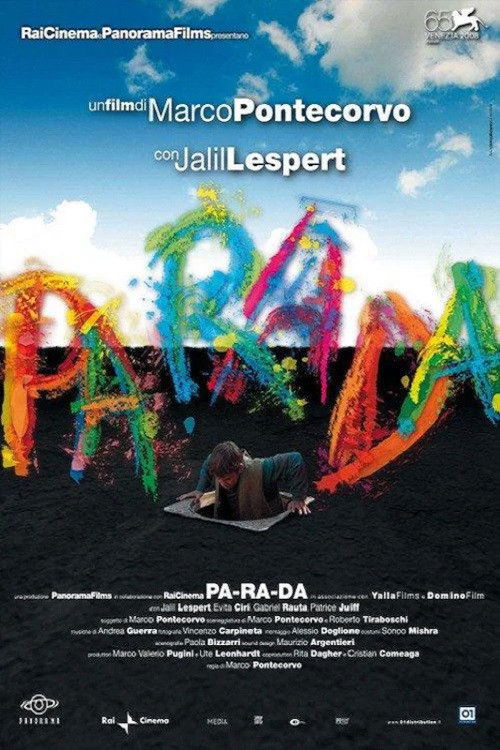
Representation Score
Good
2008
Director
Marco Pontecorvo
Runtime
100 minutes
Average Rating
No ratings yetNew Showbiz Analysis
Pa-ra-da is a social realist drama that excels in portraying the intersection of racial and ethnic identities. By placing a North African protagonist in a post-communist Romanian setting, the film delves deeply into themes of displacement and the outsider experience. The narrative effectively critiques systemic socioeconomic failures and the impact of political instability on underrepresented communities. However, the film's diversity is limited by a lack of representation in other key areas such as LGBTQ+ characters and disability-focused arcs.
Category Breakdown
The film does not include any LGBTQ+ characters or stories about non-straight identities. The main focus is on surviving economically and interacting with people from different cultures.
The story revolves around a male protagonist who interacts with a diverse group of street children. While there are no direct discussions about gender hierarchies, the mix of characters offers opportunities for varied portrayals.
The film features a protagonist with French-Maghrebi heritage living in Romania. This creates a complex blend of North African and Eastern European identities, challenging the uniformity often found in Western-centric dramas.
By focusing on the boskettari, the film highlights the failures of the system after the fall of Ceausescu. It looks at political and economic changes through the lens of social victimhood.
There is no explicit mention of physical or neurodivergent disabilities. However, the street children face extreme physical hardships and systemic neglect that can affect their health.
Present on Screen
Limited or Absent
Official Synopsis
The film tells the true story of French clown Miloud Oukili from his arrival in Romania in 1992 (three years after the fall of Ceausescu) to his encounter with the street children of Bucharest, known as «boskettari» who live in the streets and sleep in Bucharest's sewers, eking a living out of petty crime, begging, and prostitution.
2007

2013
2001

2017
2005
2004
1997
2008
No reviews yet. Be the first to share your thoughts on this movie!
Use the rating form above to leave a star rating and optional review.