The White Helmets
2016
No user ratings available yet
Representation score: 4.9 out of 10
Representation Score
Good
2017
Not RatedDirector
Steen Johannessen, Feras Fayyad
Runtime
101 minutes
Average Rating
No ratings yetNew Showbiz Analysis
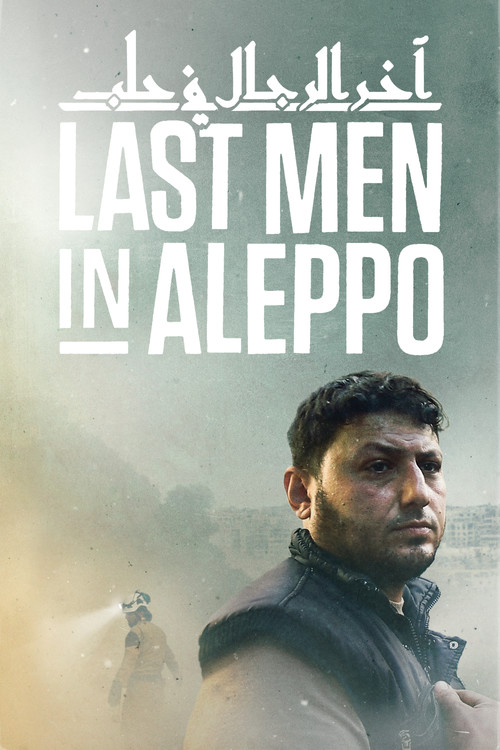
Last Men in Aleppo succeeds as a powerful disruption of the traditional Western documentary gaze. By centering the Syrian Civil Defence, the film shifts the perspective away from external observers and places ability to act within a localized, Middle Eastern context. The documentary excels in racial and cultural representation, avoiding the 'white savior' cliché by focusing on grassroots humanitarian efforts. It provides an authentic exploration of ethnic identity and the moral weight of survival. However, the film lacks representation in LGBTQ+ categories and shows limited gender subversion. The narrative remains heavily centered on the physical labor of male rescuers, reflecting the traditional roles necessitated by the chaos of war.
Category Breakdown
The film focuses on immediate survival and humanitarian efforts within a besieged urban environment. There are no documented depictions of LGBTQ+ identities or non-traditional gender narratives.
The narrative centers on the male founders of the White Helmets. While women play key roles as civilians, their actions are often limited by the siege and traditional gender roles.
The film provides a strong depiction of non-Western ability to act. By highlighting the Syrian Civil Defence, the narrative places ability to act within a Middle Eastern context through a predominantly Syrian cast.
The documentary showcases a secular humanitarian mission operating independently of religious fervor. It focuses on the breakdown of traditional institutions and the ethics of survival under geopolitical conflict.
The film offers a raw look at physical disabilities resulting from aerial bombardment. It depicts traumatic injuries and physical limitations with dignity, avoiding the use of disability as a mere plot device.
Present on Screen
Limited or Absent
Official Synopsis
A searing example of boots-on-the-ground reportage follows the efforts of the internationally recognized White Helmets, an organization consisting of ordinary citizens who are the first to rush towards military strikes and attacks in the hope of saving lives. Incorporating moments of both heart-pounding suspense and improbable beauty, the documentary draws us into the lives of three of its founders — Khaled, Subhi, and Mahmoud — as they grapple with the chaos around them and struggle with an ever-present dilemma: do they flee or stay and fight for their country?
2016
2016

2019
2011
2014
2019
2015
2019
No reviews yet. Be the first to share your thoughts on this movie!
Use the rating form above to leave a star rating and optional review.