Father and Sons
2014
No user ratings available yet
Diversity score: 5.1 out of 10
2014
Director
Marshall Curry
Runtime
82 minutes
Average Rating
No ratings yetSynopsis
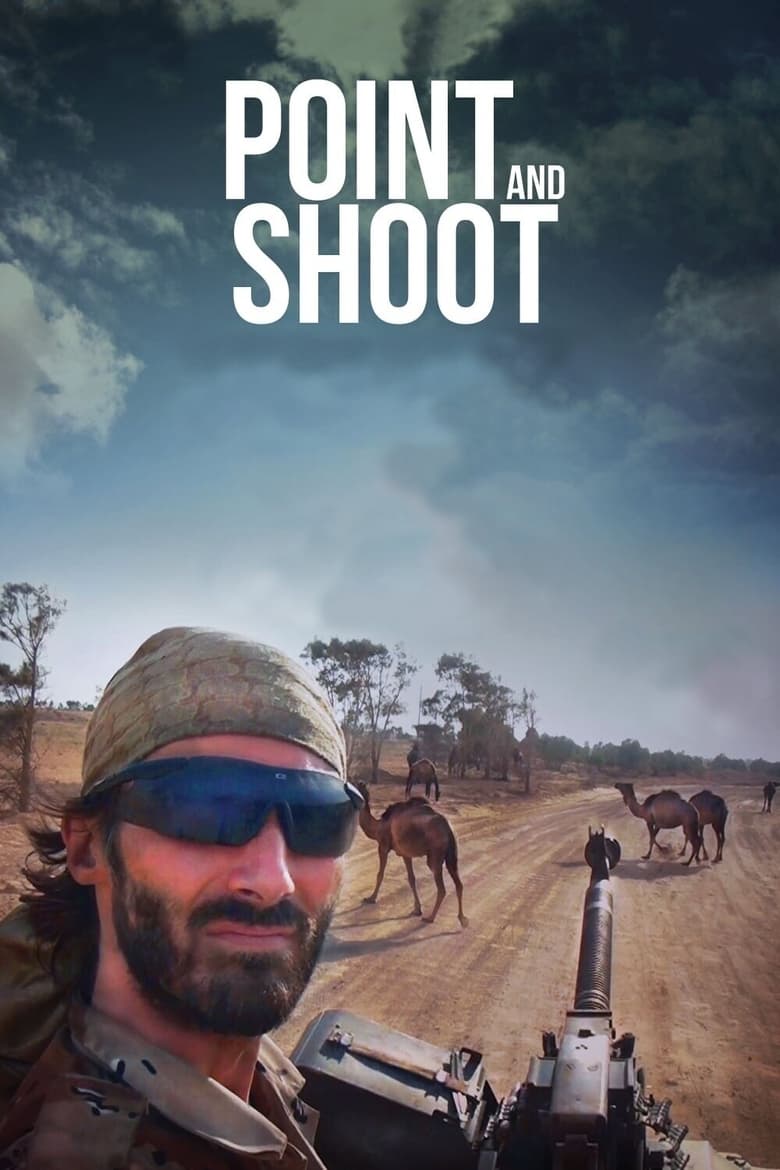
At first glance, Matthew VanDyke—a shy Baltimore native with a sheltered upbringing and a tormenting OCD diagnosis—is the last person you’d imagine on the front lines of the 2011 Libyan revolution. But after finishing grad school and escaping the U.S. for "a crash course in manhood," a winding path leads him just there. Motorcycling across North Africa and the Middle East and spending time as an embedded journalist in Iraq, Matthew lands in Libya, forming an unexpected kinship with a group of young men who transform his life. Matthew joins his friends in the rebel army against Gaddafi, taking up arms (and a camera). Along the way, he is captured and held in solitary confinement for six terrifying months.
Overall Score
Fair
Category Breakdown
LGBTQ+ Representation
The documentary lacks LGBTQ+ characters or narratives. The story focuses on geopolitical conflict and the protagonist's personal evolution within a traditional masculine framework.
Gender Representation
The film centers on a male-dominated environment of rebel combatants and journalists. It explores traditional masculine archetypes and the protagonist's pursuit of mental and physical fortitude.
Racial & Ethnic Diversity
The film excels in depicting cross-cultural kinship between an American and Libyan rebels. It portrays North African individuals as high-agency actors rather than mere background elements.
Religious & Cultural Diversity
The narrative engages with post-colonial themes and critiques Western stability. It frames the Libyan struggle as a pursuit of agency against an oppressive regime.
Disability Representation
The film provides a significant look at neurodivergence through the protagonist's OCD. His mental health is integrated as a core component of his identity and psychological response to trauma.
Strengths
Areas for Improvement
AI Analysis
Point and Shoot is a sophisticated documentary that moves beyond simple demographic checklists. It achieves depth through an intersectional approach to neurodivergence and a nuanced, non-Western-centric portrayal of political agency. The film's primary strength is its ability to challenge the traditional Western gaze. It replaces it with a complex, multi-ethnic narrative of shared struggle and systemic upheaval. However, the film remains limited by its narrow focus on traditional masculine archetypes and a lack of representation for LGBTQ+ identities.
2014
2015
2017
2013
2001
2013
2006
2006
2015
2012
2006
2007
No reviews yet. Be the first to share your thoughts on this movie!
Use the rating form above to leave a star rating and optional review.