
Only the Dead
2015
No user ratings available yet
Representation score: 5.7 out of 10
Representation Score
Fair
2013
Not RatedDirector
Sebastian Junger
Runtime
79 minutes
Average Rating
No ratings yetNew Showbiz Analysis
This documentary succeeds by challenging the myth of the objective observer, offering a deeply immersive look at global conflicts. Its greatest strength is the way it centers non-Western voices, providing a platform for local depth and nuance. However, the film is limited by its narrow demographic focus. The environments depicted are overwhelmingly male-dominated, and the narrative lacks representation of LGBTQ+ identities or significant female perspectives. Ultimately, the film's value lies in its cultural complexity and its nuanced treatment of psychological trauma, which elevates it despite its lack of traditional demographic breadth.
Category Breakdown
The film does not include any LGBTQ+ characters or stories. It focuses solely on the professional and psychological aspects of conflict journalism.
The documentary reflects a male-dominated environment typical of frontline combat reporting. It lacks significant roles for women and challenges to traditional masculine stereotypes.
The film excels by centering non-Western subjects in Afghanistan and Libya. It avoids outsider clichés by emphasizing the humanity and cultural specifics of local populations.
The narrative avoids a Western-centric moral framework, depicting religious and cultural practices with observational respect. It highlights the tension between tradition and modern warfare.
While the film does not feature specific disability narratives, it offers a deep look at invisible psychological trauma. It explores PTSD and the mental impact of war with significant depth.
Present on Screen
Limited or Absent
Official Synopsis
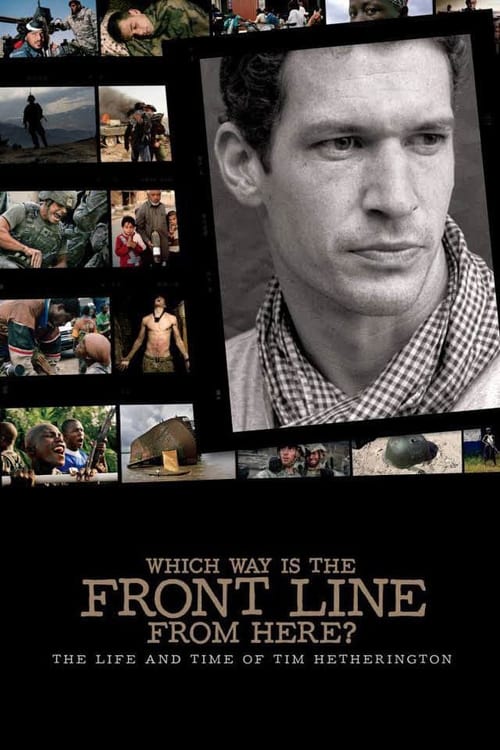
A portrait of photographer Tim Hetherington's work in war zones around the world.
2015
2011
2001
2018
2014
2019
2018

2015
No reviews yet. Be the first to share your thoughts on this movie!
Use the rating form above to leave a star rating and optional review.