
Salam Neighbor
2015
No user ratings available yet
Representation score: 4.8 out of 10
Representation Score
Good
2016
TV-14Director
Steph Ching, Ellen Martinez
Runtime
102 minutes
Average Rating
No ratings yetNew Showbiz Analysis
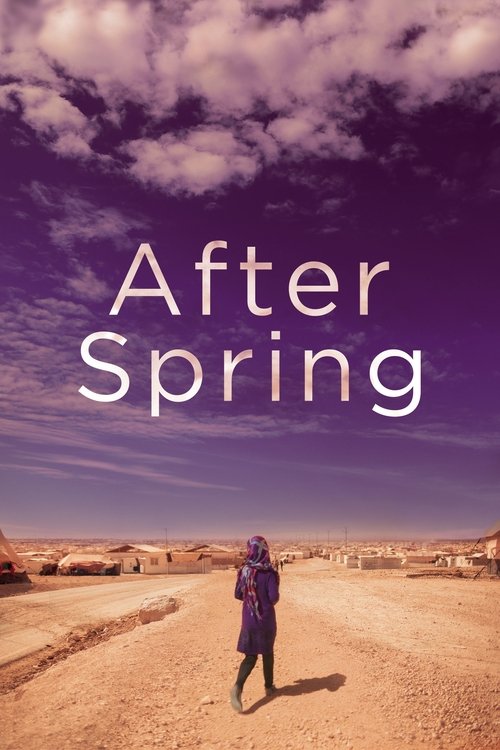
After Spring is a crucial documentary that centers the voices of displaced Syrians. By focusing on the Syrian refugee crisis, the film challenges typical Western-centric documentary approaches. The film uses a post-colonial perspective to explore the human cost of geopolitical instability. It goes beyond statistics to offer a detailed look at the rhythms of life within the Zaatari Refugee Camp. While the film excels in racial and cultural representation, it does not provide much detail about gender dynamics or LGBTQ+ narratives.
Category Breakdown
The film does not provide any specific information about LGBTQ+ characters or stories involving non-cisgender identities.
The documentary looks at the daily lives of two families inside the camp. This setup lets us see how gender roles play out under extreme conditions.
The movie focuses entirely on the experiences of Syrian refugees in Jordan. It challenges the Western-centric viewpoint by highlighting the perspectives and experiences of a displaced community.
The film criticizes global political systems by showing the impact of geopolitical instability. It portrays refugees as individuals dealing with a complex, often harsh, global environment.
The setting requires people to navigate both physical and mental challenges. The film shows how individuals cope in a high-stress, resource-limited environment.
Present on Screen
Limited or Absent
Official Synopsis
Close to 80,000 Syrian refugees live in the Zaatari Refugee Camp in Jordan, the second-largest such camp in the world. Fifty-eight percent of its inhabitants are children. After Spring immerses us in the rhythms of the camp, the role of the aid workers, and the daily lives of two families as they contemplate an uncertain future.
2015

2016

2016
2021

2016

2019
2014
2017
No reviews yet. Be the first to share your thoughts on this movie!
Use the rating form above to leave a star rating and optional review.