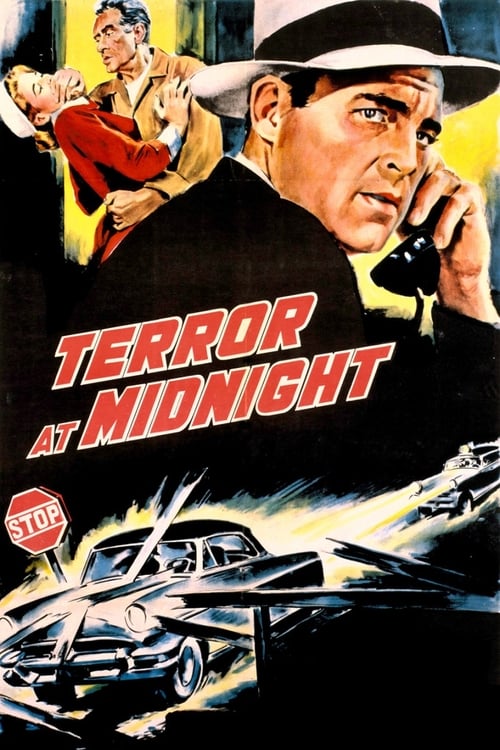
Terror at Midnight
1956
No user ratings available yet
Diversity score: 1.4 out of 10

1956
NRDirector
Franklin Adreon
Runtime
70 minutes
Average Rating
No ratings yetSynopsis
Crime drama in which a man unknowingly helps a gang pull off a big heist. The gang discovers that the man is more trouble than he is worth and as a result, things don't go as smoothly as planned.
Overall Score
Minimal
Category Breakdown
LGBTQ+ Representation
The film contains no discernible LGBTQ+ characters or narratives. There is no evidence of non-cisnormative identities or critiques of heteronormativity.
Gender Representation
The narrative focuses on masculine agency within a criminal underworld. Female characters appear relegated to secondary or domestic roles, reinforcing traditional 1950s gender hierarchies.
Racial & Ethnic Diversity
Casting follows conventional mid-century patterns centered on homogeneous white ensembles. There is no evidence of diverse casting or non-white majority groups.
Religious & Cultural Diversity
The story follows a traditional crime-and-consequence trajectory. It operates within established 1950s moral frameworks rather than critiquing Western institutions or social structures.
Disability Representation
There is no evidence of characters with visible or invisible disabilities. Disability is not utilized as a central narrative element or tool for development.
Strengths
Areas for Improvement
AI Analysis
The Man Is Armed is a conventional 1950s crime drama that adheres strictly to the social and demographic hierarchies of its era. The film prioritizes standard genre tropes over progressive social commentary or intersectional storytelling. Its narrative architecture centers on a male protagonist, which reinforces traditional gender roles and masculine agency. The lack of diverse casting or non-white ensembles reflects the homogeneous casting patterns common in mid-century metropolitan crime films. Ultimately, the film functions as a product of its time, maintaining a standard perspective that avoids subverting systemic power dynamics or exploring marginalized identities.
1956
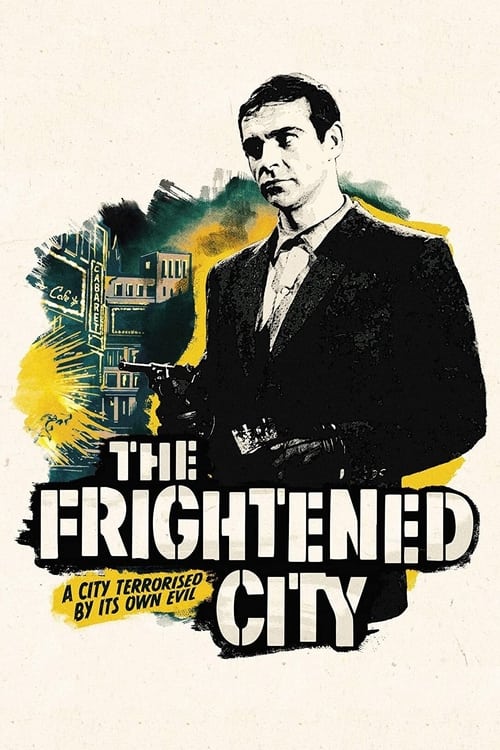
1961
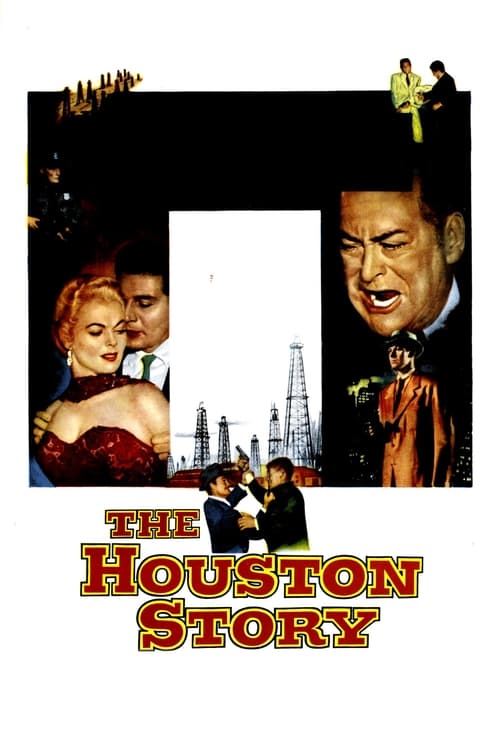
1956

1954
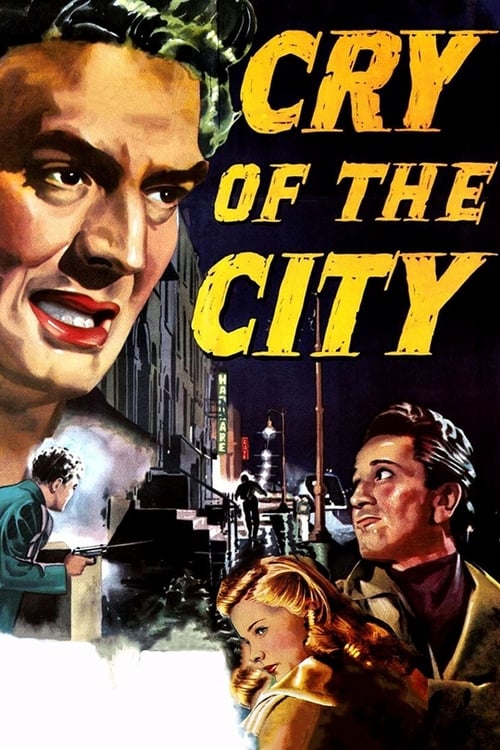
1948

1942
1955
1956
1961
1952
1967
1959
No reviews yet. Be the first to share your thoughts on this movie!
Use the rating form above to leave a star rating and optional review.