
Hell's Highway
1932
No user ratings available yet
Representation score: 2.8 out of 10
Representation Score
Limited
1930
NRDirector
George W. Hill
Runtime
87 minutes
Average Rating
No ratings yetNew Showbiz Analysis
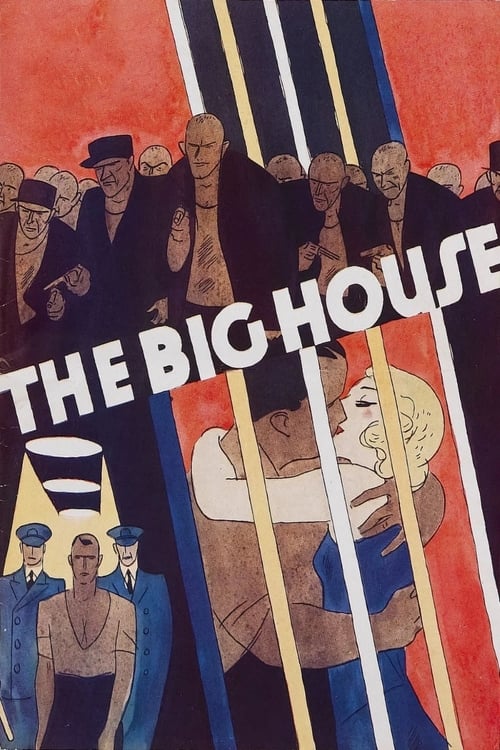
The Big House serves as a stark study of male-centric social hierarchies within a homogeneous framework. While it provides a sophisticated critique of institutional authority and systemic failures, the demographic scope remains extremely narrow. The film's focus on a traditional, all-male inmate population prevents any meaningful exploration of gender or sexual diversity. It functions primarily as a period-specific drama that adheres to the social norms of early 1930s studio productions. Ultimately, the narrative's strength lies in its institutional skepticism rather than its character diversity. It lacks the progressive casting and characters who reflect more than one aspect of diversity necessary to represent a broader spectrum of human experience.
Category Breakdown
The film is set in a hyper-masculine, all-male environment. It focuses on traditional masculine archetypes and lacks any LGBTQ+ identities or same-sex romantic narratives.
Female presence is almost entirely absent from the narrative. This vacuum limits the exploration of gender-based power dynamics, as the story is driven solely by male characters.
The cast is predominantly white, reflecting the constraints of the early 1930s. There is a notable lack of diverse ethnic representation among the inmates.
The film offers a gritty, cynical portrayal of state institutions. It questions the efficacy of Western legal systems by depicting the penal system as a brutal, ineffective environment.
Characters are defined by physical prowess and survivalist capabilities. There is no evidence of characters with visible or invisible disabilities being afforded nuanced development.
Present on Screen
Limited or Absent
Official Synopsis
Convicted of manslaughter for a drunken driving accident, Kent Marlowe is sent to prison, where he meets vicious incarcerated figures who are planning an escape from the brutal conditions.
1932

1947
1930
1932

1931
1941

1936
1932
No reviews yet. Be the first to share your thoughts on this movie!
Use the rating form above to leave a star rating and optional review.