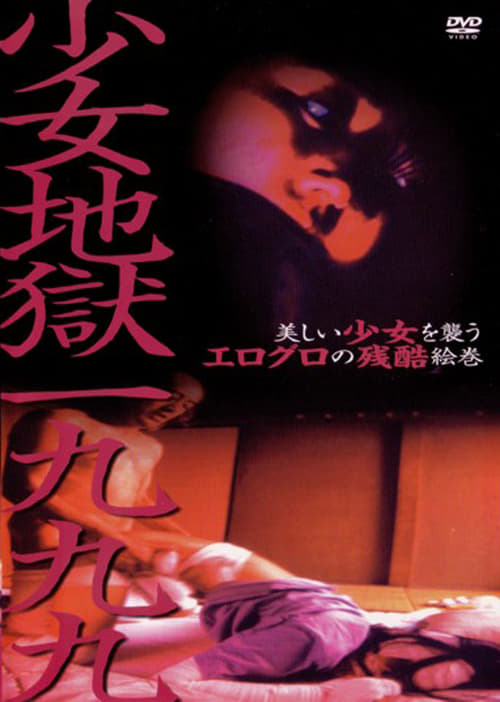
Girl Hell
1999
No user ratings available yet
Diversity score: 5.4 out of 10
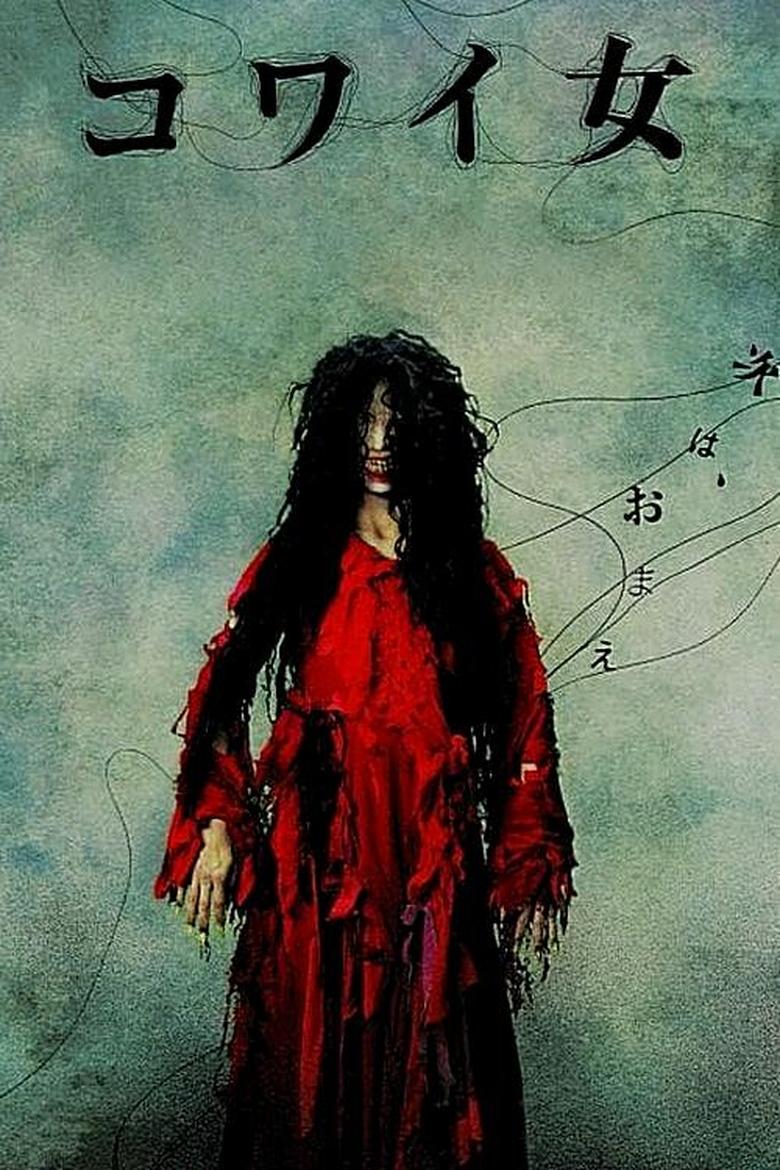
2006
Director
Keita Amemiya, Takuji Suzuki, Keisuke Toyoshima
Runtime
107 minutes
Average Rating
No ratings yetSynopsis
Unholy Women (Kowai onna), is a composite of three unrelated half-hour horror movies. A compilation of 3 separate short horror films (Rattle Rattle, Hagane, The Inheritance) written and directed by Keita Amemiya, Takuji Suzuki, and Keisuke Toyoshima respectively. The first segment, “Rattle Rattle”, tells the story of a young woman who is pursued by an evil other-worldly being. The second movie, “Steel”, concerns a young man who agrees to take the sister of his boss out on a blind date, drawing him into a world more frightening than he ever dreamed possible. The third and final episode, “The Inheritance”, is a supernatural tale of a woman and her young son, scarred by abuse and psychological trauma.
Overall Score
Fair
Category Breakdown
LGBTQ+ Representation
The film lacks explicit depictions of LGBTQ+ identities or non-heteronormative romantic structures. The narrative focus remains on traditional interpersonal dynamics and supernatural terror.
Gender Representation
The film centers on female agency and experience through the lens of horror. Characters are defined by survival and psychological complexity rather than traditional domesticity or damsel tropes.
Racial & Ethnic Diversity
As a Japanese production, the film presents a culturally homogeneous cast and setting. It functions within its specific cultural context without evidence of racial stereotyping.
Religious & Cultural Diversity
The narrative explores the breakdown of the traditional family unit through trauma. It prioritizes individual psychological truth over singular, prescriptive moralities.
Disability Representation
The segment 'The Inheritance' provides a nuanced look at invisible disabilities resulting from psychological trauma. These scars are integrated into character identities rather than used for shock value.
Strengths
Areas for Improvement
AI Analysis
Unholy Women succeeds in elevating female characters to the center of intense, complex psychological landscapes. By focusing on survival and the aftermath of abuse, the anthology avoids standard genre tropes. However, the film lacks breadth regarding LGBTQ+ and racial intersectionality. The homogeneous casting and traditional romantic structures limit its reach within a globalized representation framework. Ultimately, the work offers a meaningful departure from standard horror by prioritizing character-driven explorations of trauma and the deconstruction of social stability.
1999
2010
1987

2014
2004
2005
1989
2016
2004
2001
2019

2002
No reviews yet. Be the first to share your thoughts on this movie!
Use the rating form above to leave a star rating and optional review.