Follow
2019
No user ratings available yet
Diversity score: 5.2 out of 10

2019
Director
Azhar Kinoi Lubis
Runtime
90 minutes
Average Rating
No ratings yetSynopsis
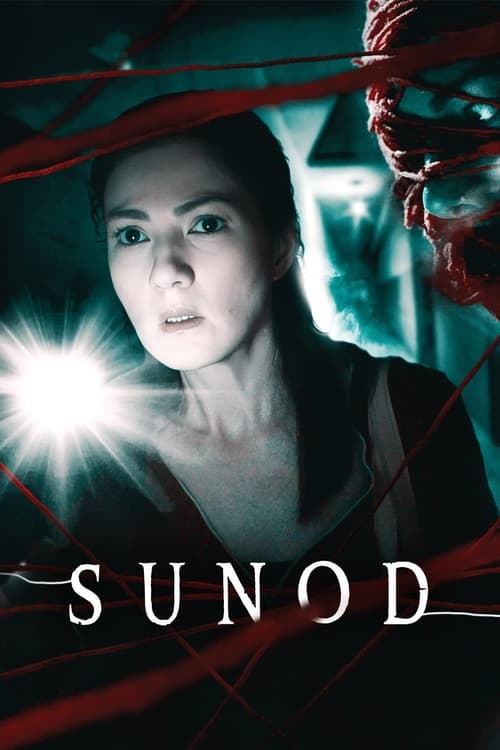
The happiness of Lita and her husband, Rama, do not last long because Lita is often terrorized by creepy female creatures. Rama brings Mr. Adam to clean their house from the ghost disturbance. Mr. Adam explaines that this terror does not come from the house but from inside Lita herself. Mr. Adam gives a hint that the answer is in Lita's past, by asking for an explanation from Sari, the mother she left behind. Sari is admitted to a mental hospital.
Overall Score
Fair
Category Breakdown
LGBTQ+ Representation
The story centers on a conventional heteronormative marriage between Lita and Rama. There are no visible queer narratives or non-cisnormative identities present in the film.
Gender Representation
While the film features a female protagonist facing terror, it relies on traditional tropes of domesticity. The male lead acts as the primary problem-solver through external intervention.
Racial & Ethnic Diversity
As an Indonesian production, the film offers a non-Western perspective. However, it lacks specific evidence of intentional intersectional depth beyond its regional setting.
Religious & Cultural Diversity
The narrative explores fractured family structures and psychological trauma. It functions as a character-driven horror without explicitly deconstructing traditional values or institutional norms.
Disability Representation
The inclusion of a mother in a mental hospital provides visibility to mental health struggles. However, the character appears to serve more as a plot device for trauma.
Strengths
Areas for Improvement
AI Analysis
Follow Me to Hell operates primarily within the established conventions of psychological horror. It utilizes a regional Indonesian setting to provide a baseline of ethnic diversity, yet it does not seek to disrupt social hierarchies. The film's approach to identity is largely traditional. Gender roles follow standard genre patterns where the male character provides the solution to the female protagonist's psychological distress. While the film touches on mental health through the character of Sari, it risks using neurodivergence as a catalyst for horror rather than offering a nuanced exploration of lived experience.
2019
2018

2010
2013
2015
2021

2018
2011

2011

2022

2019

2013
No reviews yet. Be the first to share your thoughts on this movie!
Use the rating form above to leave a star rating and optional review.