
Abbey Grace
2016
No user ratings available yet
Representation score: 4.5 out of 10
Representation Score
Fair
2016
Director
Robert Lawson Gordon
Runtime
84 minutes
Average Rating
No ratings yetNew Showbiz Analysis
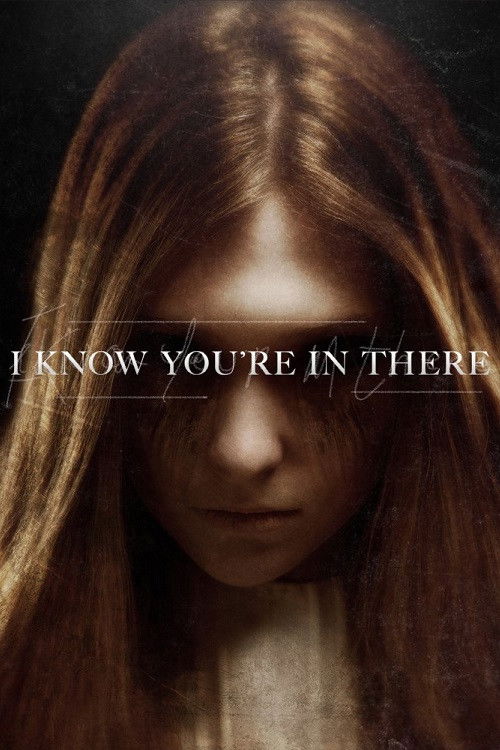
I Know You're in There is a conventional psychological horror film that centers on individual trauma and supernatural tension. The narrative focuses on a specific family unit dealing with the aftermath of a suicide. While the film includes a character with a significant disability, it lacks broader demographic diversity. The story operates within traditional frameworks rather than providing multi-layered commentary or systemic critiques. Ultimately, the film serves as a character study of grief. It does not attempt to subvert social hierarchies or provide diverse representation beyond its central, localized family drama.
Category Breakdown
The film focuses on sibling bonds and maternal trauma. There are no LGBTQ+ characters or non-straight identities in the story.
Female characters play key roles in the tragedy, but the story follows traditional gender roles without challenging gender stereotypes.
The setting suggests a localized, domestic horror centered around a specific family unit. The narrative appears to focus on a homogeneous, traditional Western family structure.
The story explores the psychological weight of domestic life and family history. It functions as a character study of grief rather than a critique of broader social structures.
A central character has a profound physical and communicative disability. While this provides meaningful inclusion, the character's condition drives the horror plot.
Present on Screen
Limited or Absent
Official Synopsis
When his mother commits suicide, Tom Redding discovers he has a long lost sister that cannot move or talk. Together they travel to their dead mother's isolated home, where Tom hopes to document her illness, only to be driven to the brink of madness by a supernatural evil.
2016
2012
2017
2015
2015

2014

2020
2009
No reviews yet. Be the first to share your thoughts on this movie!
Use the rating form above to leave a star rating and optional review.