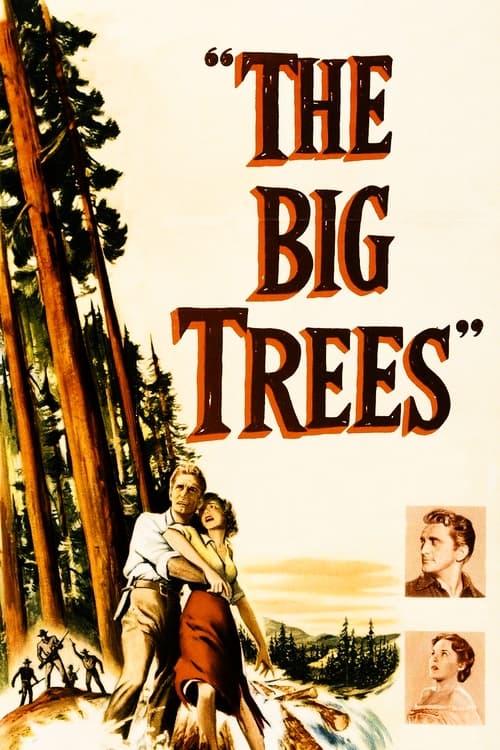
The Big Trees
1952
No user ratings available yet
Diversity score: 2.9 out of 10
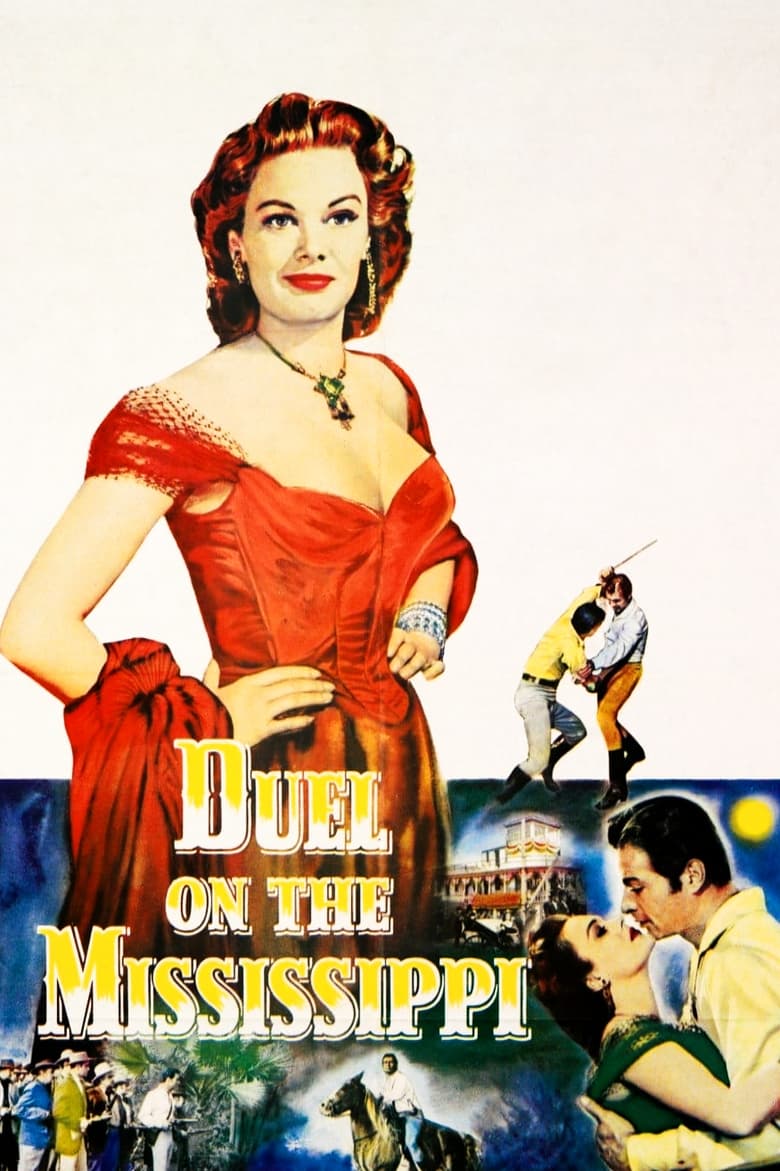
1955
ApprovedDirector
William Castle
Runtime
72 minutes
Average Rating
No ratings yetSynopsis
In bustling era of 19th-century Louisiana, sugar is as valuable as gold, and pirates like Lili Scarlet will do anything to get it. After robbing Jules Tulane’s estate of his crop, Scarlet takes over Tulane’s land debt and forces him to pay or go to prison. In exchange for postponing his debt, Scarlet allows Tulane’s son, André, to work as her servant. When André and Scarlet fall in love, it leads to jealous rage from Scarlet’s former paramour, expert swordsman Hugo — and when Hugo looks to raid the Tulane estate again, it is up to André and Scarlet to take him down and save the estate.
Overall Score
Limited
Category Breakdown
LGBTQ+ Representation
The film follows a conventional heterosexual romance between André and Lili Scarlet. There is no evidence of queer subtext or non-cisnormative identities within the plot.
Gender Representation
Lili Scarlet subverts passivity by wielding economic power over the male protagonist. However, the narrative ultimately resolves through traditional romantic tropes and masculine rivalries.
Racial & Ethnic Diversity
The story focuses on interpersonal conflicts within a 19th-century Louisiana setting. It lacks evidence of diverse casting or efforts to challenge the historical status quo.
Religious & Cultural Diversity
The plot centers on property protection and debt fulfillment. It utilizes a traditional moral lens of honor rather than critiquing Western institutions or capitalism.
Disability Representation
There are no discernible depictions of physical or neurodivergent disabilities. Characters are defined primarily by their social roles and physical skills.
Strengths
Areas for Improvement
AI Analysis
Duel on the Mississippi is a mid-century genre piece that prioritizes linear storytelling and property-centric conflict. While it offers a slight departure from female passivity through Lili Scarlet's economic dominance, the film remains anchored in traditional social hierarchies. The narrative lacks intentionality regarding intersectional identities, adhering to the heteronormative and Anglo-centric standards of its era. It functions as a standard adventure drama rather than a deconstruction of systemic power. Ultimately, the film's reliance on romantic tropes and the preservation of established social structures limits its diversity impact.
1952
1917

1942
1930
1935
1965
1972
1926
1961
1967
1948
1957
No reviews yet. Be the first to share your thoughts on this movie!
Use the rating form above to leave a star rating and optional review.