The Demon
1926
No user ratings available yet
Representation score: 1.3 out of 10
Representation Score
Minimal
1948
NRDirector
George Sherman
Runtime
78 minutes
Average Rating
No ratings yetNew Showbiz Analysis
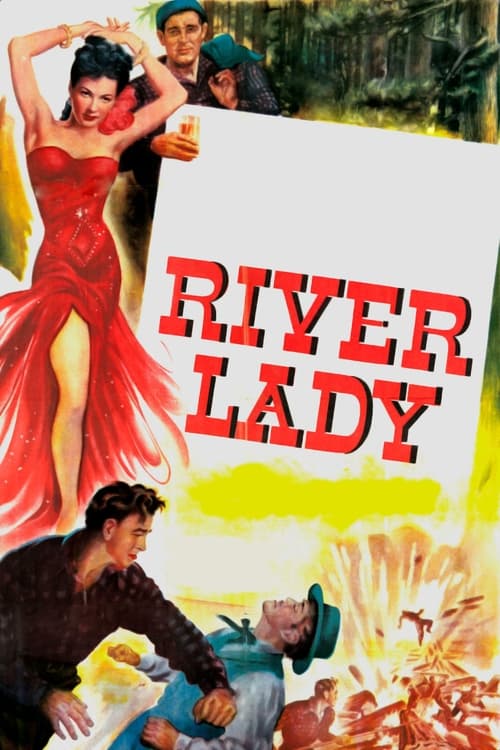
River Lady is a classic mid-century melodrama that emphasizes traditional genre elements over social complexity. While the female lead, Sequin, has economic power as a riverboat owner, her character development is still influenced by romantic conflicts and traditional gender roles. The film overlooks the rich racial and ethnic diversity of the Mississippi Delta, focusing instead on industrial disputes and property ownership. This narrow focus aligns with the homogeneous social structures prevalent in 1940s Hollywood. Overall, the film adheres to the conventional storytelling methods of its era, lacking deeper critiques of systemic issues or broader social complexities.
Category Breakdown
The film does not include any LGBTQ+ characters or stories that challenge traditional heterosexual relationships. Instead, it follows the typical love story themes of the 1940s.
The female lead, Sequin, has some economic power as a riverboat owner, but her influence is tied to romantic conflicts and traditional social interactions.
The movie focuses on the lives of mill owners and lumber syndicates, ignoring the diverse racial makeup of the Mississippi Delta region. It likely upholds the uniform social structures typical of 1940s Hollywood.
The story revolves around mid-century Western capitalism and local business rivalries. It does not explore moral or institutional critiques, sticking to the traditional dramatic structures of the time.
There is no mention of physical or neurological disabilities in the film.
Present on Screen
Limited or Absent
Official Synopsis
In the 1850s, in a logging town on the Mississippi River, a conflict between the people of a mill town and the lumberjacks who work downriver. Romance and deceit are catalyzed by the arrival of the gambling river boat, River Lady, owned by the beautiful Sequin. Bauvais, a representative of the local lumber syndicate and Sequin's business partner, is trying to convince H.L. Morrison, the mill owner, to sell his business.
1926
1940
1936

1954
1941
1971
1950
1954
No reviews yet. Be the first to share your thoughts on this movie!
Use the rating form above to leave a star rating and optional review.