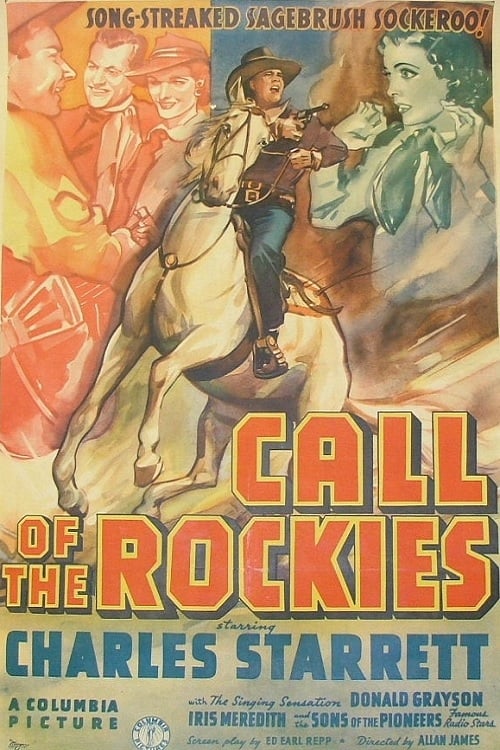
Call of the Rockies
1938
No user ratings available yet
Representation score: 1.1 out of 10

Representation Score
Minimal
1942
PGDirector
Ray Enright
Runtime
87 minutes
Average Rating
No ratings yetNew Showbiz Analysis
The Spoilers is a classic mid-century Western that aligns closely with the social and cultural norms of its time. The narrative centers on a struggle for wealth and land, driven by male competition and individualist capitalist values. The film lacks diverse representation, focusing on a homogeneous cast that reflects the demographic norms of the 1940s. Female characters like Cherry Malotte show some independence but do not challenge the patriarchal structure. It also lacks engagement with LGBTQ+ themes and does not include characters with disabilities.
Category Breakdown
The film strictly follows the social structures of the 1940s, assuming everyone is straight and cisgender. There are no non-binary or LGBTQ+ identities or same-sex relationships among the characters.
Gender roles follow traditional hierarchies, emphasizing male-driven conflict and physical strength. Cherry Malotte, as a saloon singer, shows some independence but does not challenge the patriarchal structure.
The cast is primarily made up of white actors, reflecting the demographics of the 1940s. The story focuses on white prospectors without significant racial or ethnic diversity.
The story highlights rugged individualism and the frontier spirit, emphasizing traditional Western values of capitalism and self-reliance. It does not critique Western institutions or offer alternative viewpoints.
There are no significant representations of visible or invisible disabilities. Characters are defined by the physical demands of a frontier setting.
Present on Screen
Limited or Absent
Official Synopsis
When honest ship captain Roy Glennister gets swindled out of his mine claim, he turns to saloon singer Cherry Malotte for assistance in his battle with no-good town kingpin Alexander McNamara.
1938
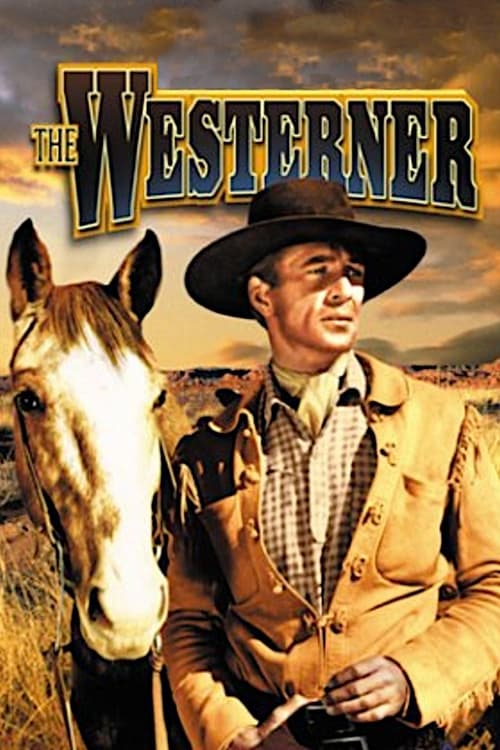
1940
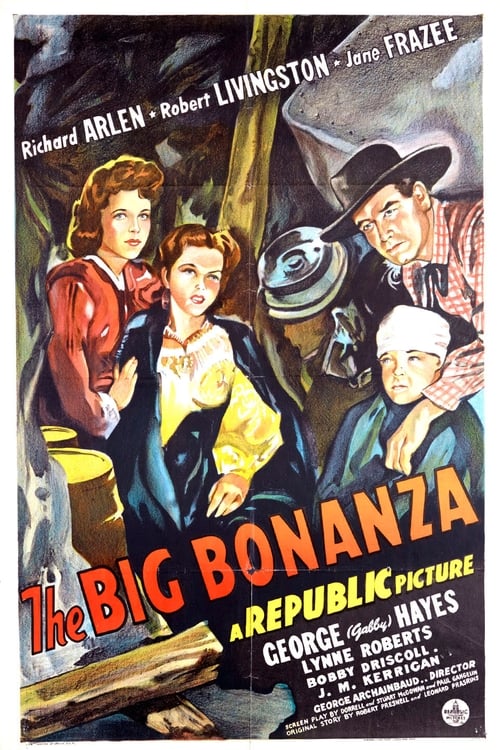
1944

1954
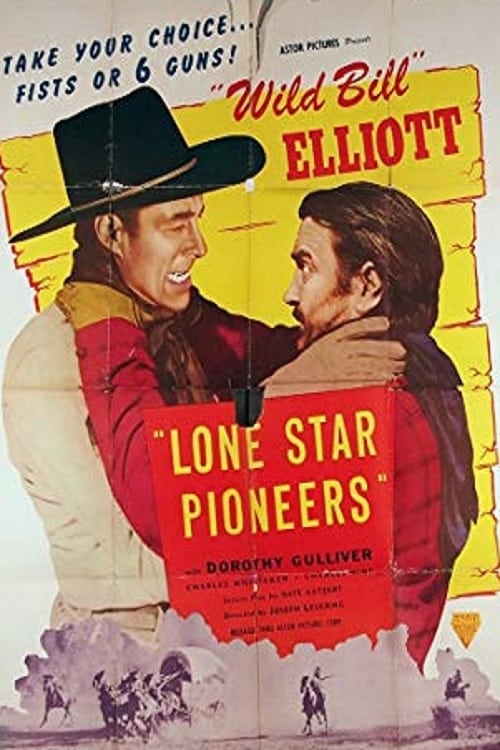
1939

1939
1925
1948
No reviews yet. Be the first to share your thoughts on this movie!
Use the rating form above to leave a star rating and optional review.