
The Show Off
1926
No user ratings available yet
Representation score: 1.8 out of 10
Representation Score
Minimal
1920
ApprovedDirector
Lloyd Ingraham
Runtime
50 minutes
Average Rating
No ratings yetNew Showbiz Analysis
The Jailbird is a conventional silent-era comedy-drama that emphasizes traditional moral frameworks. The narrative centers on a male protagonist's transformation from criminality to social acceptance through a standard romantic subplot. Representation is constrained by the era's standards, lacking complexity in diversity. The story serves as a moral fable rather than a critique of broader social structures.
Category Breakdown
The film follows a traditional romantic storyline centered around Shakespeare Clancy's love for Alice Whitney, with no indication of non-straight or non-cisgender identities.
Alice Whitney holds a position of professional influence as a society editor. However, the narrative emphasizes the male protagonist's journey towards becoming a socially accepted figure.
The story focuses on a small Western town with a homogeneous cast. There are no descriptions of a diverse cast, reflecting the era's lack of inclusivity.
The film upholds respect for institutional laws and societal norms. The protagonist achieves redemption by willingly returning to prison to fulfill his legal obligations.
The synopsis does not mention any characters with visible or invisible disabilities.
Present on Screen
Limited or Absent
Official Synopsis
Shakespeare Clancy is a jailbird who walks out with a crowd of visitors about the time "Skeeter" Burns, the prison printer, is discharged. Learning that a legacy awaits them in Dodson, the pair depart for the small Western town. Discovering that the bequest consists of a failing county newspaper and a plot of barren land, they hatch a plan to fleece the townspeople by selling shares in a bogus oil well. Problems arise when Clancy falls in love with society editor Alice Whitney. Clancy is conflicted but then they do strike oil! Concluding that his destiny is to be an honest man, Clancy returns to jail to finish serving his term. Slipping into the crowd of visitors, he dons his prison clothes and resumes work as though nothing had happened.
1926

1923
1919

1928
1934
1940
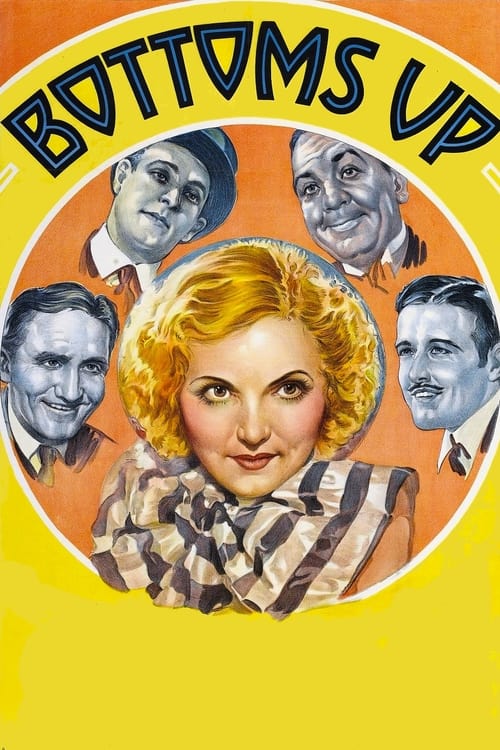
1934
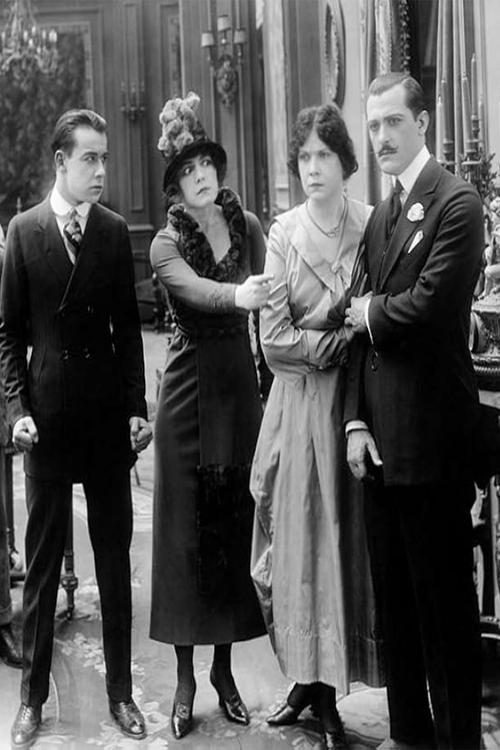
1918
No reviews yet. Be the first to share your thoughts on this movie!
Use the rating form above to leave a star rating and optional review.