The Pirate
1948
No user ratings available yet
Representation score: 1.6 out of 10
Representation Score
Limited
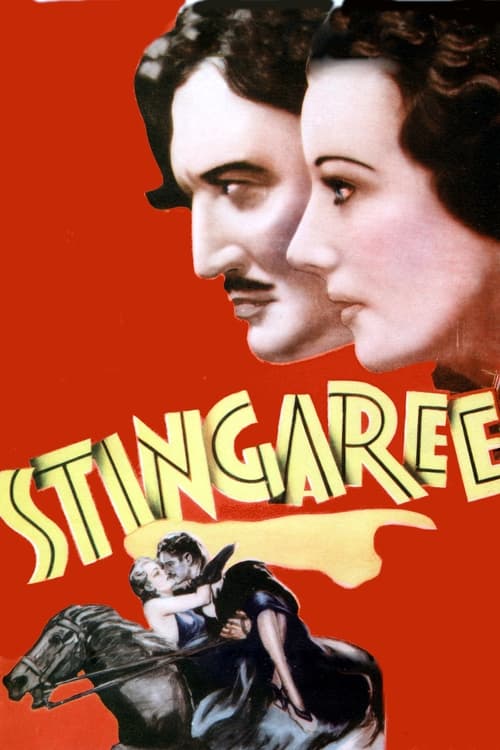
1934
NRDirector
William A. Wellman
Runtime
77 minutes
Average Rating
No ratings yetNew Showbiz Analysis
Stingaree is a product of the early sound era, adhering to the homogeneous social structures typical of 1930s adventure-romance cinema. The narrative centers on traditional hierarchies and romantic clichés, offering little complexity in intersecting identities. While the film lacks racial and LGBTQ+ diversity, it slightly subverts gender norms through female competition and class-based aspirations. The tension between the working class and the elite serves as the primary source of narrative conflict. Ultimately, the film operates as a conventional adventure. Its progressive elements, such as the disruption of social norms by an outlaw, remain secondary to the period's standard storytelling norms.
Category Breakdown
The film does not include any characters with non-straight sexual orientations or gender identities. The plot follows traditional romantic storylines involving the main female character and the central male figures.
Hilda's role as a servant includes her musical aspirations, which give her some independence. However, the story is largely driven by the actions of the male characters.
The setting implies a cast primarily consisting of Anglo-Saxon characters, with a focus on nobility and wealthy farmers. There is no evidence of diverse casting or characters from non-white backgrounds.
The story examines class conflicts between servants and the landed gentry. The outlaw character challenges social hierarchies, but within a traditional adventure framework.
There is no information available regarding the portrayal of physical or neurodivergent disabilities in this film.
Present on Screen
Limited or Absent
Official Synopsis
A young lady named Hilda who works as a servant for the wealthy Clarksons, sheep farmers, and dreams of being a great singer. An upcoming visit by Sir Julian, a famous composer arriving from London, drives jealous Mrs. Clarkson (an interfering biddy who fancies she can sing - but can't) to send away Hilda, so he doesn't hear Hilda has a good voice. Meanwhile, an infamous outlaw named Stingaree has just arrived in town and kidnaps Sir Julian, then poses as him at the Clarksons, where he meets Hilda a few hours before she is to leave.
1948
1926
1937
1936
1936
1926
1940
1921
No reviews yet. Be the first to share your thoughts on this movie!
Use the rating form above to leave a star rating and optional review.