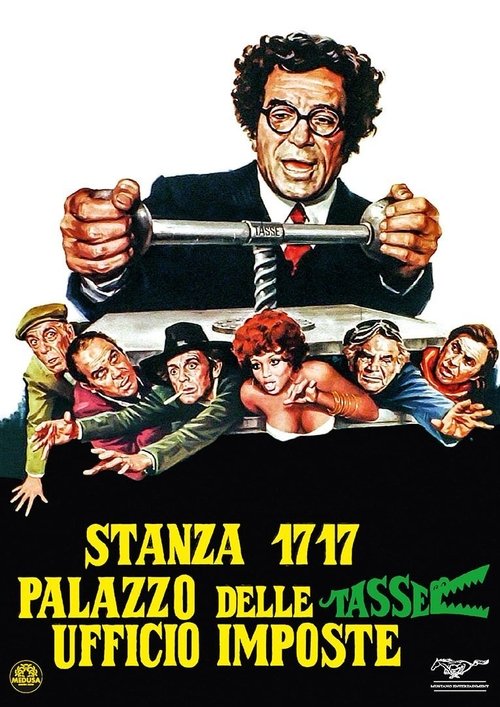
Stanza 17-17 palazzo delle tasse, ufficio imposte
1971
No user ratings available yet
Representation score: 3.3 out of 10
Representation Score
Limited
1971
Director
Mino Guerrini
Runtime
0 minutes
Average Rating
No ratings yetNew Showbiz Analysis
This 1971 comedy operates within a traditional framework typical of the *commedia all'italiana* era. While it lacks modern multi-layered representation, it finds purpose in social satire regarding institutional corruption and civic duty. The film's strength lies in its engagement with systemic critique, using fiscal responsibility as a comedic vehicle. However, the era's social constraints result in a lack of diverse casting and non-traditional identity representation.
Category Breakdown
The film reflects the traditional cinematic landscape of 1971 Italy. There is no evidence of queer narratives or challenges to the assumption that everyone is straight or cisgender.
The narrative likely follows the gender hierarchies common in mid-century Italian comedy. Female characters appear to function primarily as catalysts for comedic tension.
As a localized production from the early 1970s, the cast is expected to be ethnically homogeneous. No diverse casting is documented.
The film uses satire to examine the friction between citizens and the state. It critiques systemic structures through the lens of tax evasion.
There is no verifiable evidence regarding the inclusion of characters with visible or invisible disabilities.
Present on Screen
Limited or Absent
1971

1980
1964
1975
1959
1971

1967
1981
No reviews yet. Be the first to share your thoughts on this movie!
Use the rating form above to leave a star rating and optional review.