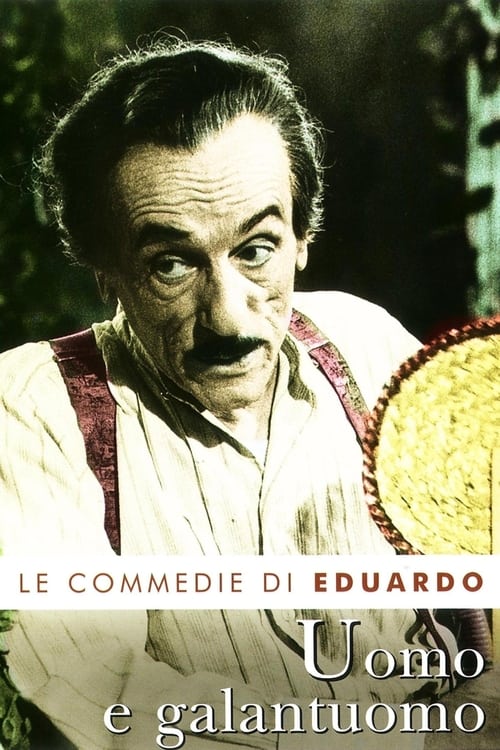
Uomo e galantuomo
1975
No user ratings available yet
Representation score: 4.5 out of 10
Representation Score
Fair
1964
Director
Eduardo De Filippo
Average Rating
No ratings yetNew Showbiz Analysis
Eduardo De Filippo’s work serves as a character-driven social comedy that prioritizes human dignity over rigid institutional norms. While the film lacks modern multi-layered breadth, it offers a sophisticated critique of class hierarchies and social etiquette. The production is deeply rooted in the regional context of 1964 Italy. It excels at exploring domestic ability to act and the tension between individual morality and societal expectations, though it remains limited by the era's lack of racial and LGBTQ+ visibility.
Category Breakdown
The film reflects the assumption that everyone is straight or cisgender, which was common in 1964. There is no clear indication of queer narratives or non-cisgender identities within the story.
Female characters navigate and sometimes challenge patriarchal household dynamics. They are often given psychological depth and domestic ability to act that goes beyond typical commercial comedies of the era.
The narrative focuses on regional Neapolitan identities rather than global diversity. Representation remains largely homogeneous, reflecting the localized social constraints of the time.
The film critiques the performative nature of social class and institutional corruption. It favors a nuanced, situational ethical framework over a monolithic morality.
There is no documented evidence regarding the inclusion of characters with visible or invisible disabilities.
Present on Screen
Limited or Absent
1975

1980
1968
1967

1967
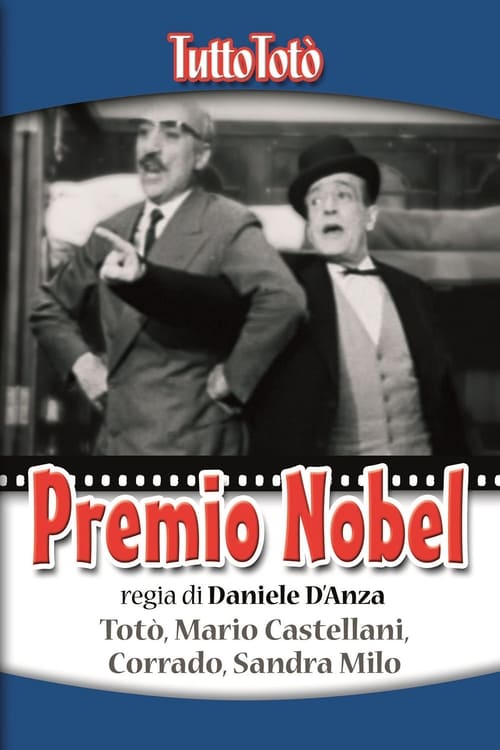
1967
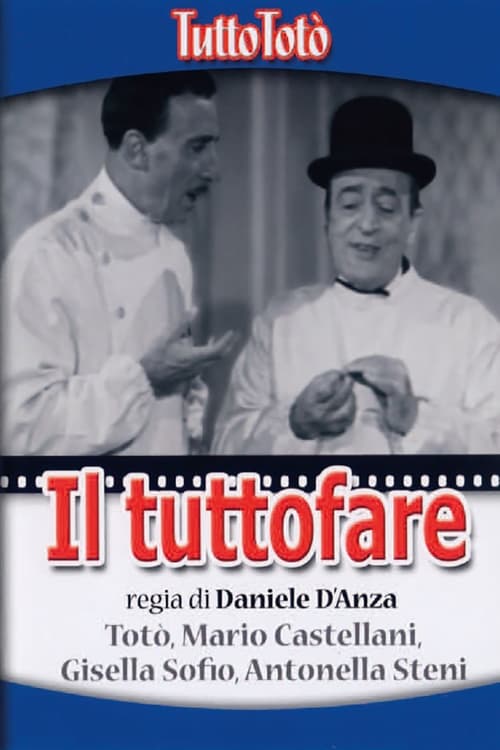
1967
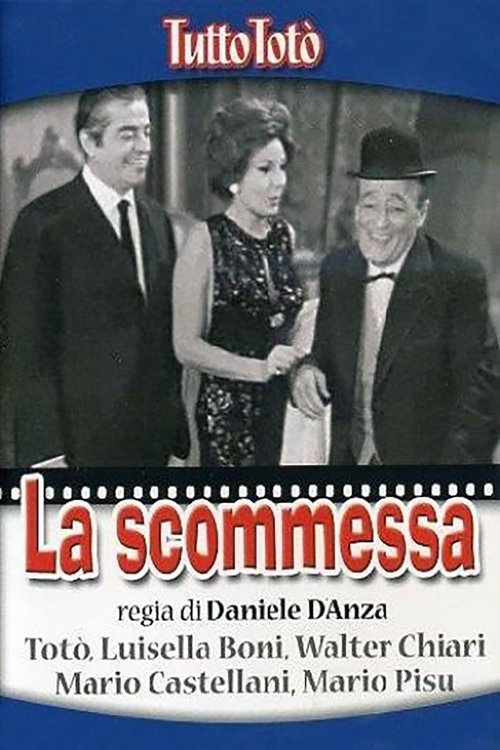
1967
No reviews yet. Be the first to share your thoughts on this movie!
Use the rating form above to leave a star rating and optional review.