
Tutto Totò - Il grande maestro
1967
No user ratings available yet
Representation score: 3.0 out of 10
Representation Score
Limited
1967
Director
Daniele D'Anza
Runtime
50 minutes
Average Rating
No ratings yetNew Showbiz Analysis
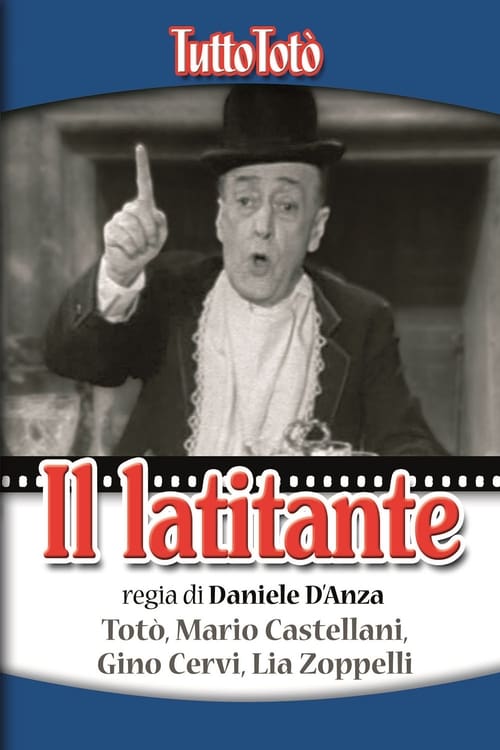
Il latitante is a product of its time, fitting within the traditional mid-century framework of Italian comedy. The film relies on established genre clichés and social hierarchies rather than challenging them through progressive storytelling. The cast and production context suggest a focus on localized Italian themes. This results in a narrative that lacks significant racial, ethnic, or queer diversity, adhering instead to the mainstream standards of 1967. Ultimately, the film reflects conventional social structures. It prioritizes comedic entertainment over the deconstruction of systemic power dynamics or the inclusion of diverse identities.
Category Breakdown
The film reflects the social constraints of 1967 Italy, where queer identities were rarely highlighted. There are no non-straight character arcs.
While there are female roles played by actresses like Lia Zoppelli, the film likely relies on traditional gender stereotypes. Women do not seem to have a significant role in driving the plot.
The film focuses on a homogeneous Italian setting typical of local comedies. It lacks significant racial or ethnic diversity.
The narrative engages with traditional Italian social structures and customs. It does not serve as a critique of broader Western institutions.
There is no evidence of characters with physical or neurodivergent disabilities in the film.
Present on Screen
Limited or Absent
1967

1980
1967
1975
1967
1967
1967
1971
No reviews yet. Be the first to share your thoughts on this movie!
Use the rating form above to leave a star rating and optional review.