La mia vita a stelle e strisce
2003
No user ratings available yet
Diversity score: 4.4 out of 10
1971
Director
Michele Lupo
Runtime
85 minutes
Average Rating
No ratings yetSynopsis
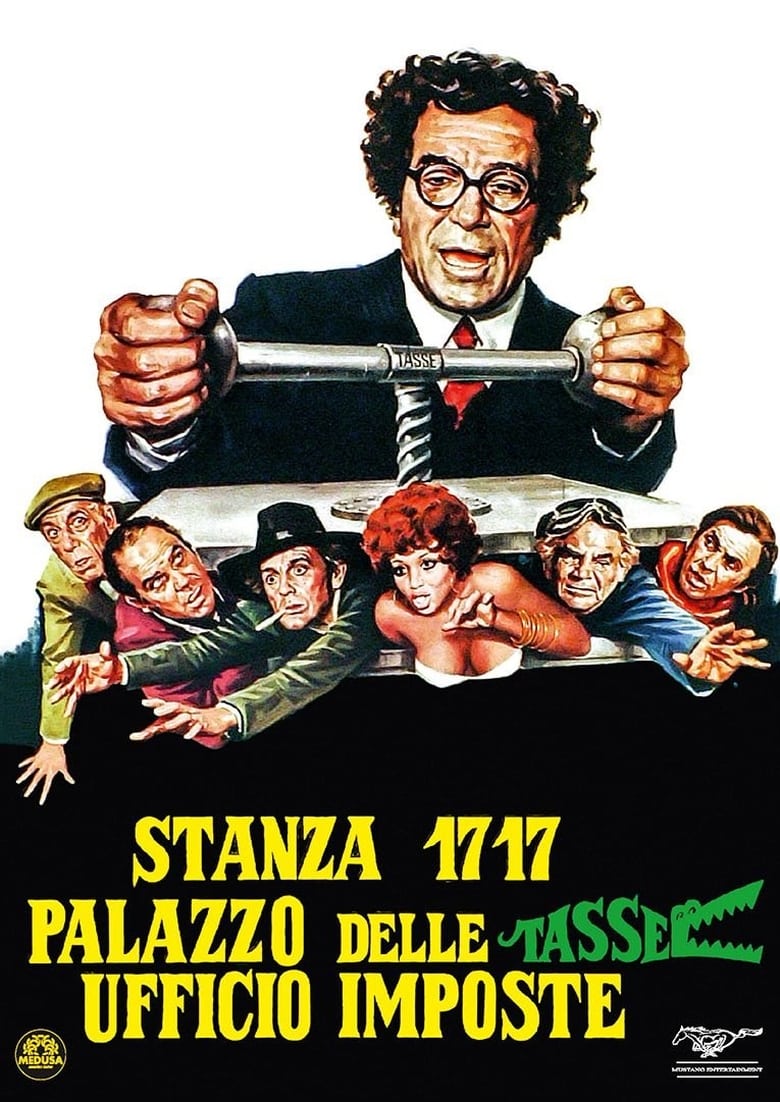
Architect Giambattista Manteghin, actor Romolo Moretti, Prince Pantegani and inventor Leonardo Rossi meet while trying to bribe a tax official out of paying exorbitant taxes. The four get together and conspire to rob the taxation office building, which happens to have been designed by Manteghin.
Overall Score
Fair
Category Breakdown
LGBTQ+ Representation
The film lacks explicit LGBTQ+ characters or narratives that critique heteronormativity. The plot centers on a male-centric conspiracy, suggesting a traditional narrative structure.
Gender Representation
The story is heavily male-dominated, driven by the agency of four male protagonists. There is a notable absence of female characters with central roles or agency.
Racial & Ethnic Diversity
The film reflects the homogeneous demographic norms of early 1970s Italian comedy. The character archetypes suggest a cast following traditional production patterns of that era.
Religious & Cultural Diversity
The narrative offers a critique of Western institutions by centering on a conspiracy to rob a taxation office. It presents a comedic rebellion against state authority.
Disability Representation
There is no mention of characters with visible or invisible disabilities. No assessment can be made regarding representation or the use of tropes.
Strengths
Areas for Improvement
AI Analysis
Stanza 17-17 palazzo delle tasse, ufficio imposte is a traditional genre comedy that prioritizes a heist plot over social complexity. While it successfully subverts institutional authority through its comedic lens, it remains anchored in the demographic conventions of its time. The film's focus on a male-driven conspiracy limits its gender and LGBTQ+ depth. The narrative relies on a group of four men, which reinforces a conventional, non-intersectional character dynamic. Ultimately, the work functions as a populist critique of bureaucracy rather than a progressive exploration of identity. It lacks the diverse casting or gender-subversive elements necessary for a higher diversity score.
2003
2016
1971
1993
1990

1983
1974
1971
1959
1974
1992
1977
No reviews yet. Be the first to share your thoughts on this movie!
Use the rating form above to leave a star rating and optional review.