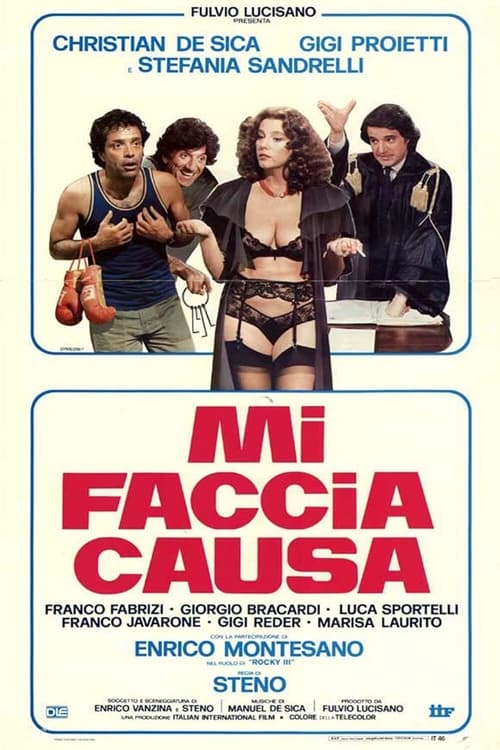
Sue Me
1985
No user ratings available yet
Diversity score: 3.4 out of 10
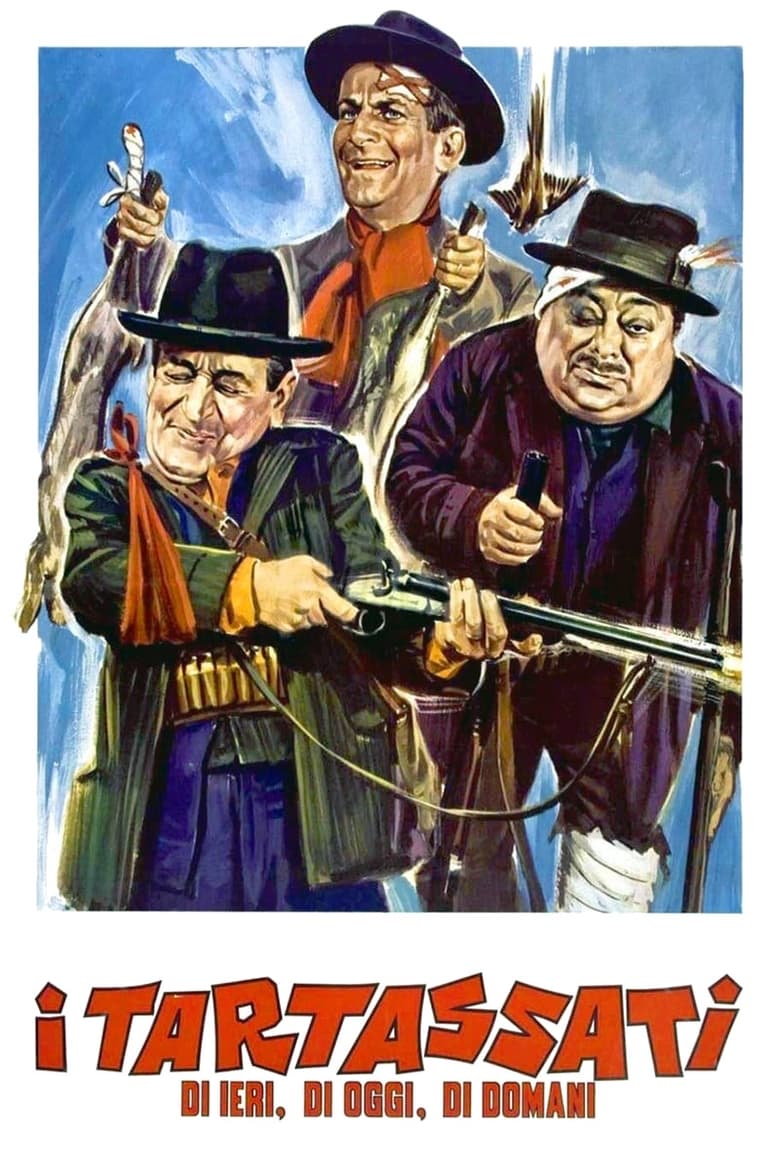
1959
Director
Steno
Runtime
100 minutes
Average Rating
No ratings yetSynopsis
Mr. Pezzella owns and operates a well-established luxury-clothing store. He does not like and does not consider it right to pay taxes and therefore uses a tax consultant to be able to evade more taxes.
Overall Score
Fair
Category Breakdown
LGBTQ+ Representation
The film lacks explicit LGBTQ+ characters or narratives that challenge heteronormativity. It focuses on socio-economic themes rather than sexual orientation.
Gender Representation
The narrative centers on a male protagonist navigating professional and legal spheres. There is no evidence of female characters possessing high agency or subverting traditional hierarchies.
Racial & Ethnic Diversity
The story likely features a homogeneous domestic cast typical of 1959 Italian cinema. There is no indication of non-white or diverse ethnic casting.
Religious & Cultural Diversity
The film challenges the sanctity of state institutions by framing tax evasion as a moral prerogative. It prioritizes individual economic agency over collective civic duty.
Disability Representation
There is no evidence of characters with visible or invisible disabilities within the film's context.
Strengths
Areas for Improvement
AI Analysis
The film functions primarily as a satire of systemic structures rather than a vehicle for identity-based representation. It excels in cultural critique by portraying the state as an adversary to be circumvented. However, the work lacks demographic breadth. The focus on a male protagonist and a homogeneous cast reflects the era's conventional social hierarchies and limited representation of marginalized identities. Ultimately, the film's strength lies in its subversion of institutional authority, even as it remains narrow in its portrayal of human diversity.
1985

1961

1963

1959
2007

1986
1970

1967
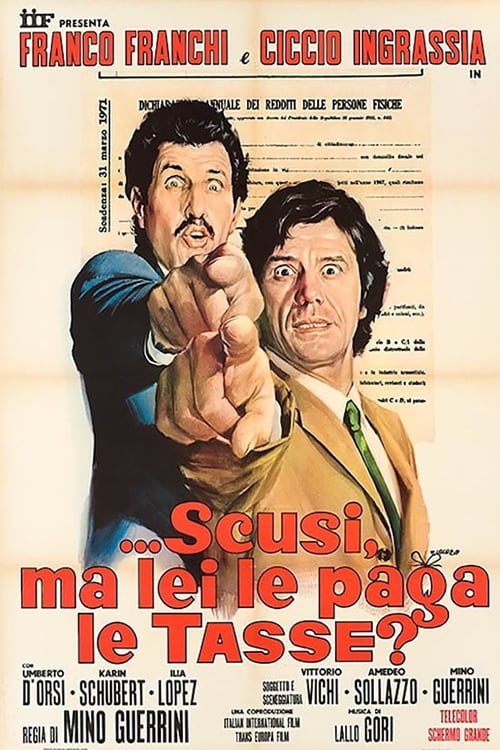
1971

2018
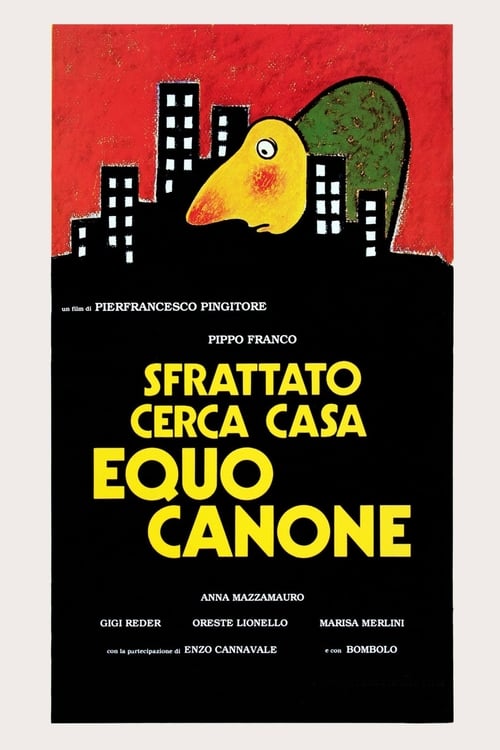
1983
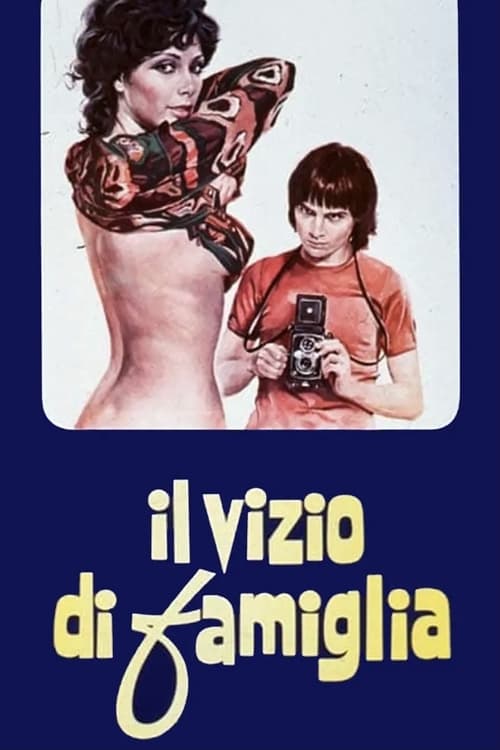
1975
No reviews yet. Be the first to share your thoughts on this movie!
Use the rating form above to leave a star rating and optional review.