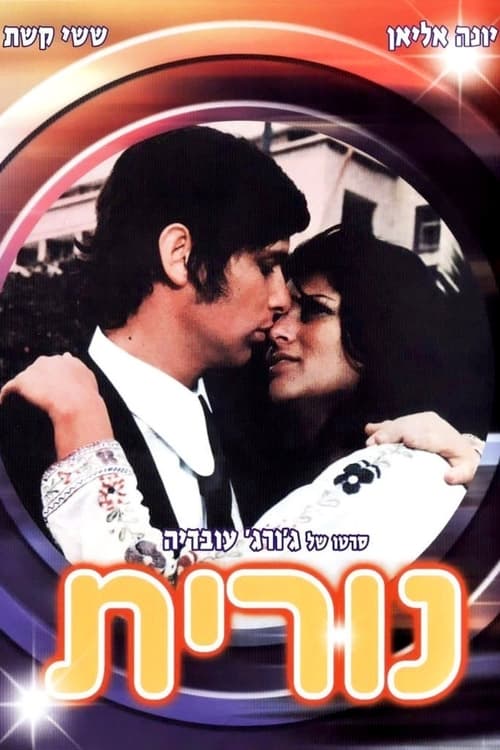
Nurith
1972
No user ratings available yet
Representation score: 1.6 out of 10

Representation Score
Limited
1953
Director
Cahide Sonku, Orhon Murat Arıburnu, Sami Ayanoğlu
Runtime
91 minutes
Average Rating
No ratings yetNew Showbiz Analysis
A Song to Long For is a product of its time, deeply rooted in the mid-century Turkish cinematic tradition. It emphasizes classical melodrama and traditional storytelling over disrupting social hierarchies. The film's strength lies in its cultural specificity and the mentorship role that highlights female empowerment. However, it lacks diversity in terms of identity expression and remains within a conventional social framework. Ultimately, the work reflects the homogeneous social landscape of 1953, focusing on romantic clichés and social mobility without challenging established norms.
Category Breakdown
The film follows the traditional romantic structures typical of 1950s Turkish cinema, with no indication of non-traditional gender identities or same-sex relationships.
A mentorship relationship between a woman and a young person highlights female empowerment. However, the film likely adheres to the traditional gender roles common in mid-century romantic dramas.
The film offers a non-Western perspective on romance and drama through its Turkish setting. The cast remains fairly uniform, reflecting the social makeup of the time.
The story follows traditional mid-century social values and the 'rise to fame' storyline, without challenging institutional or social norms.
There is no mention of characters dealing with physical, neurodivergent, or mental health conditions.
Present on Screen
Limited or Absent
Official Synopsis
The story of a teenager who becomes a famous singer with the help of a woman.
1972

1939
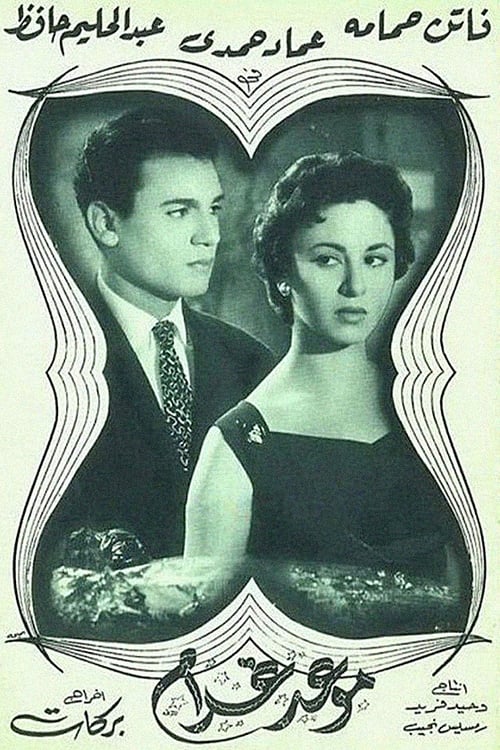
1956

1954
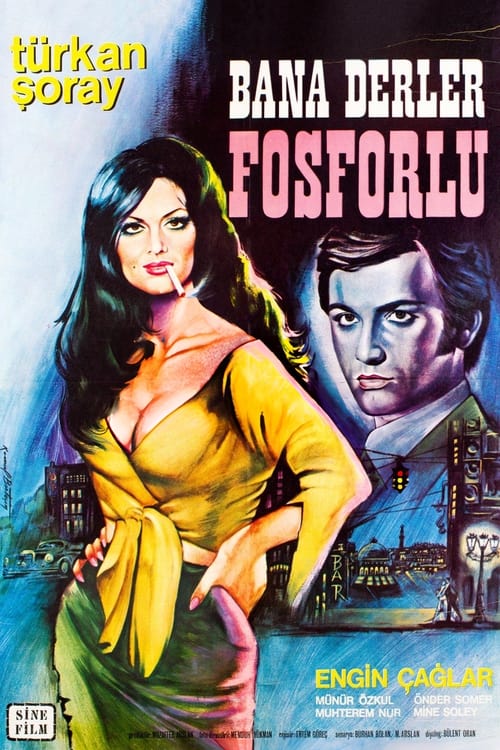
1969

1971

1945
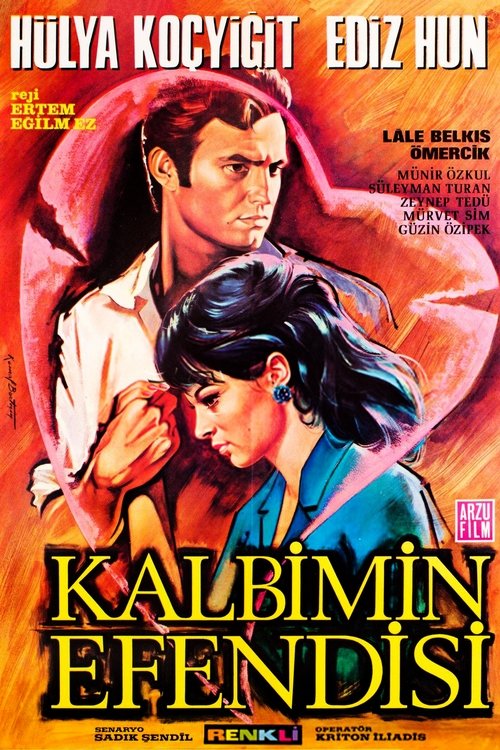
1970
No reviews yet. Be the first to share your thoughts on this movie!
Use the rating form above to leave a star rating and optional review.