
The Beauty of Beyoglu
1971
No user ratings available yet
Diversity score: 4.6 out of 10
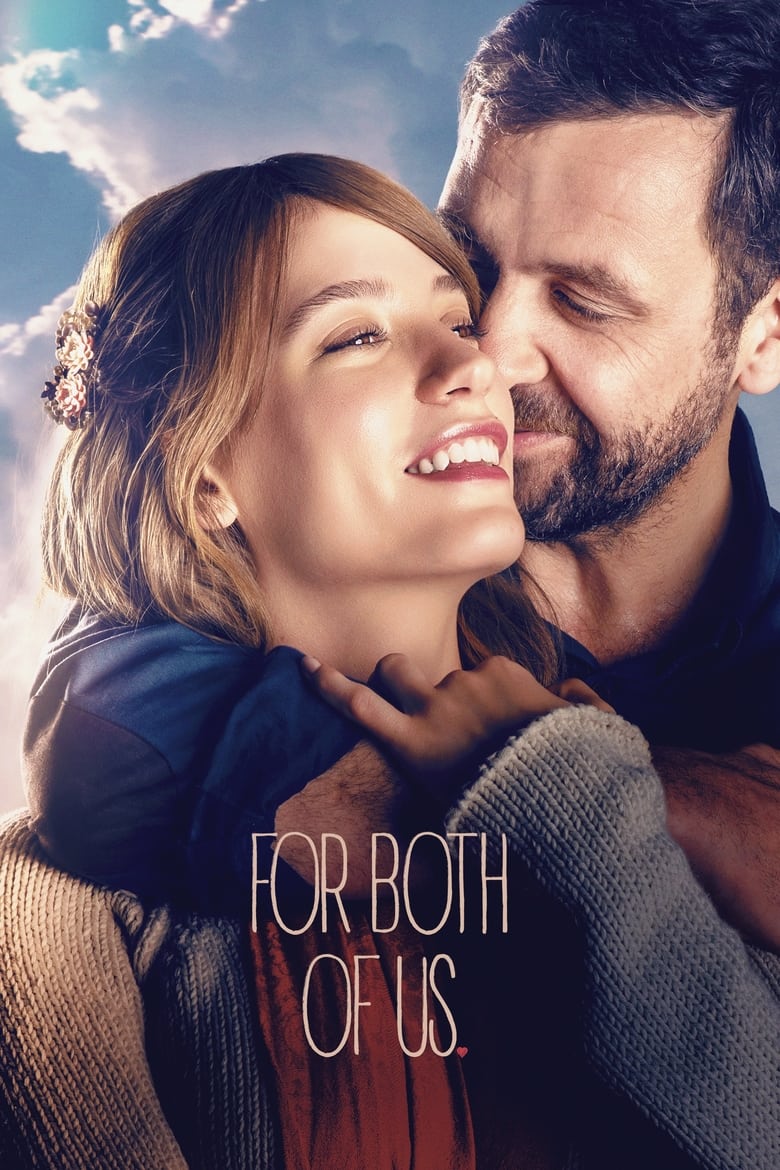
2016
Director
Umur Turagay
Runtime
126 minutes
Average Rating
No ratings yetSynopsis
Çiçek is a girl who grew up in a small village. She has so many questions about her own life with no answers. And then her life is changed by Dogan, her literature teacher.
Overall Score
Fair
Category Breakdown
LGBTQ+ Representation
The film focuses on a central romantic connection between a student and a teacher. There is no evidence of queer narratives or non-cisnormative identities within the story.
Gender Representation
Çiçek serves as a protagonist navigating her own intellectual evolution. While she gains agency through literature, the film lacks evidence of subverting traditional male authority.
Racial & Ethnic Diversity
As a Turkish production, the film reflects the specific ethnic demographics of its rural setting. It functions as a localized narrative without evidence of intersectional or globalized casting.
Religious & Cultural Diversity
The story explores the tension between rural tradition and intellectualism. It leans toward personal growth rather than a systemic deconstruction of regional or religious institutions.
Disability Representation
The narrative contains no mention of characters navigating physical, neurodivergent, or mental health conditions.
Strengths
Areas for Improvement
AI Analysis
For Both of Us is a localized character study centered on the emotional awakening of a young woman in a rural village. The plot uses literature as a catalyst for her personal development, suggesting a focus on individual agency. However, the film adheres to conventional romantic and dramatic structures. It lacks explicit representation of LGBTQ+ identities and does not appear to challenge systemic social hierarchies or institutional norms. While the film provides a platform for female intellectual empowerment, it remains a traditional drama rooted in its specific regional identity.
1971
1999

2016

2011
2021
2012

2014

2016
2001
2017

2023

2022
No reviews yet. Be the first to share your thoughts on this movie!
Use the rating form above to leave a star rating and optional review.