Syncopation
1942
No user ratings available yet
Representation score: 2.0 out of 10
Representation Score
Limited
1947
Director
Perdigão Queiroga
Runtime
110 minutes
Average Rating
No ratings yetNew Showbiz Analysis
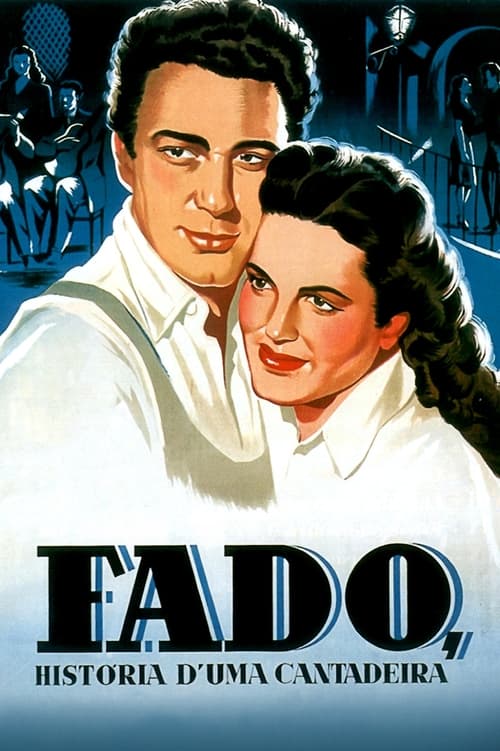
Fado, a Singer's Story is a traditional period drama that delves into the tensions between bohemian subcultures and established power structures. It offers a nuanced portrayal of a woman navigating professional success and social class dynamics. While the film provides character depth, it adheres closely to the social and narrative conventions of the 1940s. The central conflicts remain centered on romantic and class-based issues rather than challenging systemic problems.
Category Breakdown
The film doesn't show any non-binary or LGBTQ+ identities or same-sex relationships. The story revolves around a typical love triangle involving a woman and two men.
Ana Maria is a talented professional musician who gains public recognition, giving her significant influence. She faces a conflict between her career success and personal freedom within a rigid social structure.
The film touches on themes related to African colonies but focuses mainly on the social classes within Portugal. It does not explore diverse backgrounds or multi-layered identities.
The movie examines the tension between free-spirited subcultures and formal institutions. It portrays the fado music scene as a place that exists outside mainstream societal norms.
The film does not include any characters dealing with physical, sensory, or neurological differences.
Present on Screen
Limited or Absent
Official Synopsis
Ana Maria loves a modest guitar player, Júlio; when she herself in a 'retiro' (typical fado tavern), public and critics rend major applause. Fame brings about new friends, namely bohemian young who play and sing the fado with her, and not so young men but who rich and powerful enough to patronize her, promote her, and wish to become intimate with her. Júlio the guitarist feel betrayed, and he sets his mind to depart to the African colonies, to leave her forever. Knowing that he's going to embark, Ana Maria's heart between her first love, and the appeal of the rich and famous.
1942

1954
1959

1954
1945
1951
1958
1948
No reviews yet. Be the first to share your thoughts on this movie!
Use the rating form above to leave a star rating and optional review.