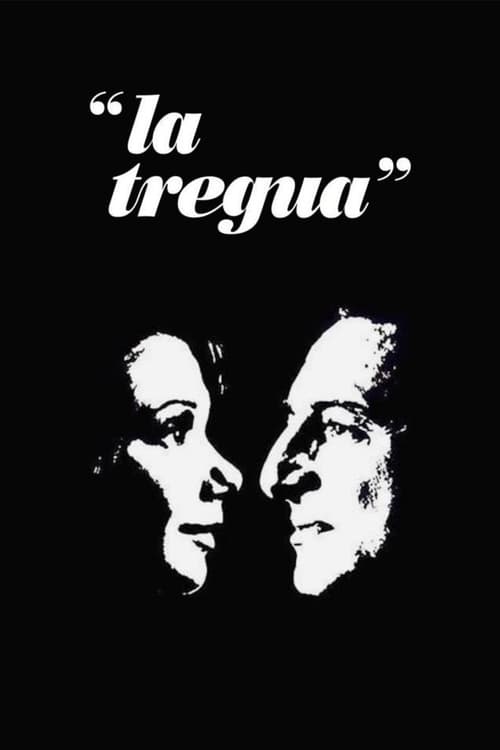
The Truce
1974
No user ratings available yet
Diversity score: 3.0 out of 10
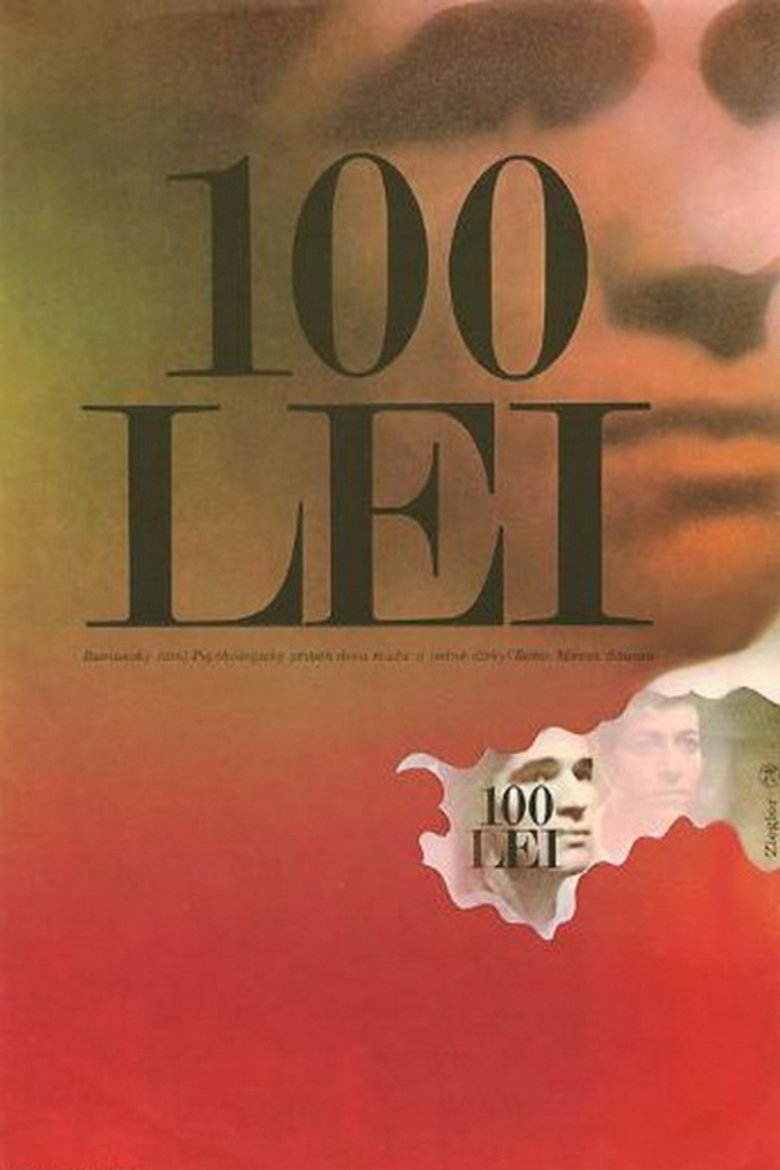
1973
Director
Mircea Săucan
Runtime
103 minutes
Average Rating
No ratings yetSynopsis
Arguing with his parents, Petre, a teenager, moves at his bigger brother, Andrei, a successful actor. There he meets Dora, one of his brother's young fans. When Andrei gives the girl his attention, Petre feels abandoned and runs away without even taking the hundred lei bill his brother had given him. A car runs Petre down. When he learns about this tragic accident, Andrei realizes - while watching his own smiling face in a musical on TV - that underneath his glittering success, he lives an empty life.
Overall Score
Limited
Category Breakdown
LGBTQ+ Representation
The film lacks evidence of LGBTQ+ characters or non-cisnormative identities. The central conflict focuses on heterosexual familial and interpersonal dynamics.
Gender Representation
The story centers on a male-dominated hierarchy between brothers. While Dora appears, she is framed primarily through her relationship to the male characters.
Racial & Ethnic Diversity
As a Romanian production, the film operates within a culturally homogeneous context. There is no indication of a multi-ethnic cast or diverse social dynamics.
Religious & Cultural Diversity
The narrative offers an existential critique of superficial success. It deconstructs social status through a nuanced, subjective view of morality and individual emptiness.
Disability Representation
A tragic car accident serves as a plot catalyst rather than a study of disability. There is no exploration of neurodivergence or chronic illness.
Strengths
Areas for Improvement
AI Analysis
The film prioritizes psychological realism and existential inquiry over demographic breadth. It succeeds in subverting the 'successful man' trope by focusing on the internal void of its protagonist, Andrei. This provides a sophisticated character study that moves beyond simple moralistic storytelling. However, the work remains limited by its cultural homogeneity and traditional gender framing. The narrative architecture relies on male-centric dynamics, and the female presence is largely reactionary to the male leads. Ultimately, while the film offers depth in its critique of social achievement, it lacks intersectional representation across race, gender identity, and disability.
1974
1938

2017

1962
1979

1977
1995

1982
1973
1957
1960
1963
No reviews yet. Be the first to share your thoughts on this movie!
Use the rating form above to leave a star rating and optional review.