
Eyewash
1959
No user ratings available yet
Representation score: 0.6 out of 10

Representation Score
Minimal
1961
Director
Robert Breer
Runtime
3 minutes
Average Rating
No ratings yetNew Showbiz Analysis
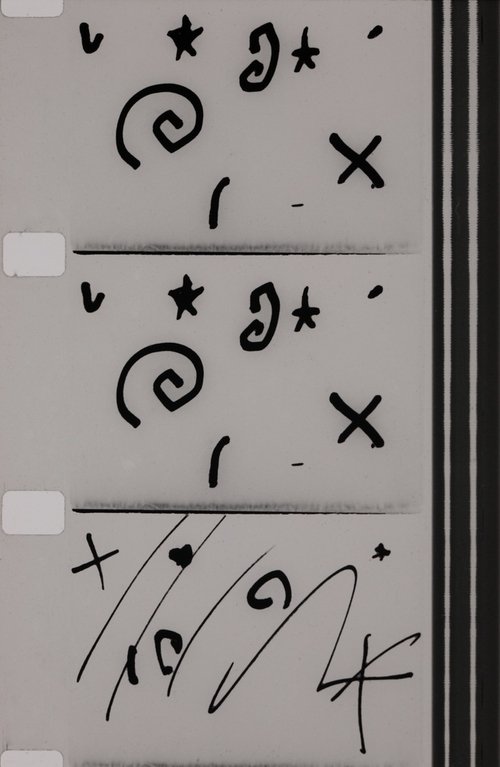
Robert Breer’s *Blazes* is a formalist experiment in kinetic motion, cycling 100 basic images through 4,000 frames. Since the work operates entirely within the realm of pure visual abstraction, it lacks the characters or dialogue needed for traditional identity-based analysis. While the film does not actively promote social hierarchies, its lack of human subjects means it cannot provide characters who reflect more than one aspect of diversity. The work's primary contribution lies in its structural defiance of mainstream cinematic conventions, positioning itself outside conventional narrative consumption.
Category Breakdown
The film's abstract visuals lack characters or interpersonal dynamics, so there is no depiction of sexual orientation or gender identity.
Since there are no human figures or gendered archetypes, the film does not depict masculinity, femininity, or traditional gender hierarchies.
The animation uses geometric and elemental imagery instead of human subjects, so there is no representation of racial or ethnic identities.
The film rejects traditional Western storytelling structures through its radical abstraction. It lacks specific themes related to religion or cultural commentary.
Because the film contains no characters, there are no depictions of physical disability or neurodivergence.
Present on Screen
Limited or Absent
Official Synopsis
100 basic images switching positions for 4000 frames.
1959
1969
1963
1953

1970

1994
1982

1967
No reviews yet. Be the first to share your thoughts on this movie!
Use the rating form above to leave a star rating and optional review.