Breathing
1963
No user ratings available yet
Representation score: 0.6 out of 10
Representation Score
Minimal
1974
Director
Robert Breer
Runtime
8 minutes
Average Rating
No ratings yetNew Showbiz Analysis
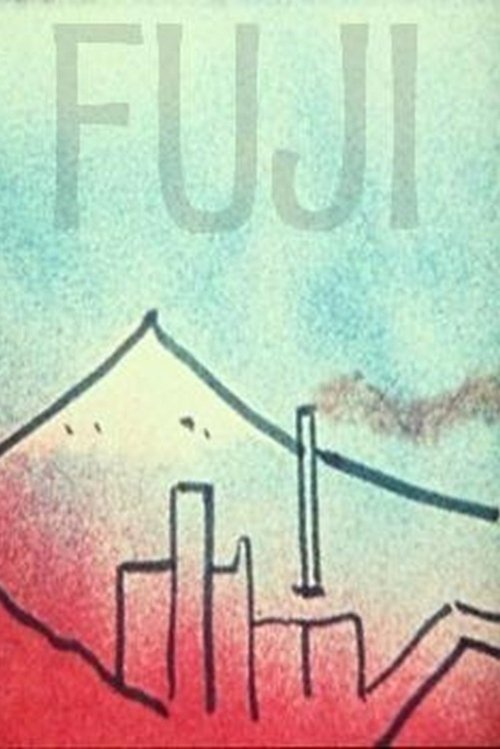
Robert Breer’s *Fuji* is a formalist exercise in visual abstraction rather than a narrative study. Focusing on the geometry of landscapes and the rhythmic cadence of movement, it lacks the character-driven framework needed to explore social identities or interpersonal power dynamics. The work creates a cross-cultural dialogue by juxtaposing a Western observer with Japanese architectural and natural motifs. It deconstructs a major cultural icon through an experimental lens, emphasizing abstraction over traditionalist or religious depictions. Ultimately, the film’s value lies in its disruption of cinematic pacing and its focus on essential geometry. The low diversity score reflects a lack of presence in identity-based categories rather than an active promotion of traditional hierarchies.
Category Breakdown
The film is an abstract animation focusing on landscapes and geometric shapes. It contains no characters, dialogue, or interpersonal relationships.
The narrative structure does not center around human characters. Brief live-action footage includes a Western tourist, but there is no development of gender roles or social interactions.
The film contrasts a Western observer with a Japanese landscape. However, the absence of character's ability to drive the story limits meaningful ethnic representation.
The film deconstructs a cultural icon using a Western experimental approach. It emphasizes abstraction over traditional or religious representations of the landscape.
There are no characters or depictions of neurodivergence or physical disabilities in this abstract work.
Present on Screen
Limited or Absent
Official Synopsis
A live action footage of a smiling, bespectacled (presumably) Western tourist set against the familiar cadence of an accelerating train revving up as it leaves the station sets the mesmerizing tone for the film's abstract panoramic survey of an Ozu-esque Japanese landscape of electrical power lines, passing trains, railroad tracks, and the gentle slope of obliquely peaked, uniform rooflines as Breer distills the essential geometry of Mount Fuji into a collage of acute angles and converging (and bifurcating) lines .
1963
1972
1953

1959
1974
1978

1961
1994
No reviews yet. Be the first to share your thoughts on this movie!
Use the rating form above to leave a star rating and optional review.