Heavy-Light
1973
No user ratings available yet
Diversity score: 1.0 out of 10
1946
Director
Douglass Crockwell
Runtime
8 minutes
Average Rating
No ratings yetSynopsis
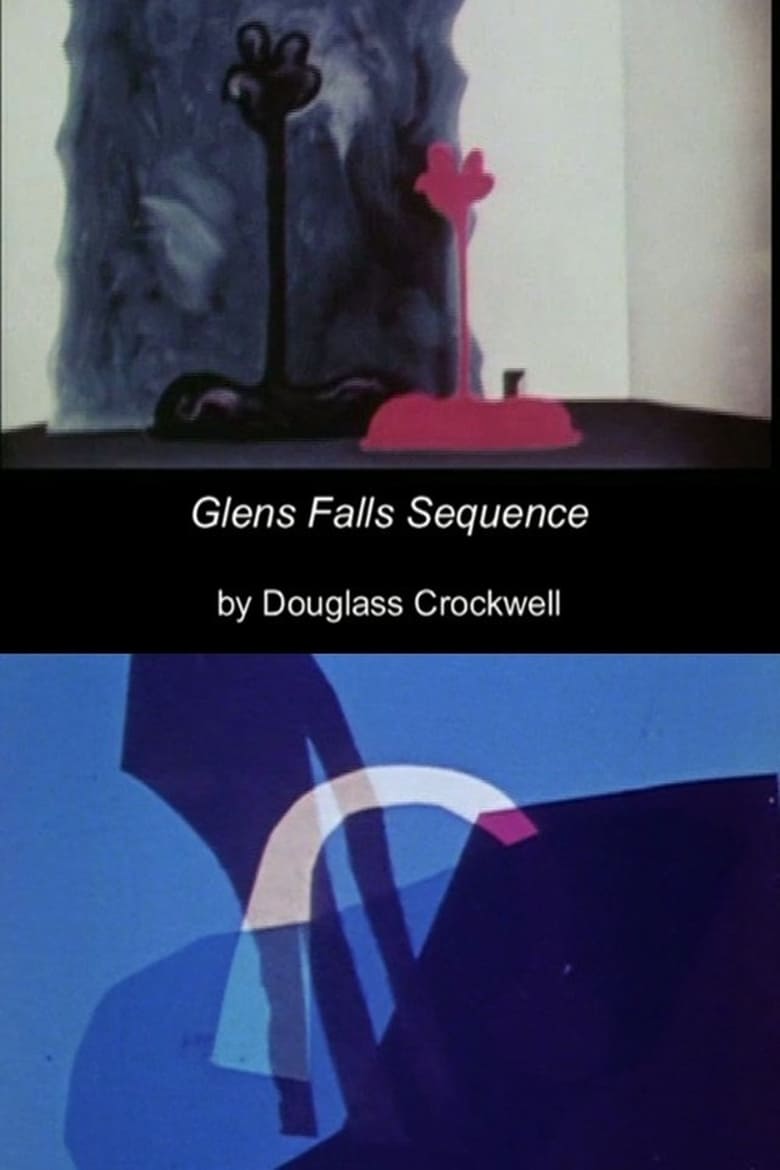
Starting in the late 1930s, illustrator and experimental animator Douglass Crockwell created a series of short abstract animated films at his home in Glen Falls, New York. The films offered Crockwell a chance to experiment with various unorthodox animation techniques such as adding and removing non-drying paint on glass frame-by-frame, squeezing paint between two sheets of glass, and finger painting. The individual films created over a nine-year period were then stitched together for presentation, forming a nonsensical relationship that only highlights the abstract qualities of the images. —Kansas City Electronic Music and Arts Alliance
Overall Score
Minimal
Category Breakdown
LGBTQ+ Representation
The film is entirely abstract and non-narrative. There are no characters, gendered identities, or depictions of interpersonal relationships presented.
Gender Representation
The work lacks human figures or anthropomorphic characters. Without gendered subjects, the film cannot subvert or reinforce traditional gender hierarchies.
Racial & Ethnic Diversity
As an abstract animation focused on color and texture, the film does not engage with racial or ethnic representation. There is no cast to evaluate.
Religious & Cultural Diversity
The film aligns with avant-garde values by prioritizing subjective sensory experience over didactic storytelling. Its rejection of traditional logic disrupts mainstream Western narrative norms.
Disability Representation
There are no characters depicted within the sequence. Consequently, there is no representation of neurodivergence or physical disability.
Strengths
Areas for Improvement
AI Analysis
Glens Falls Sequence is a study in abstract formalism rather than narrative storytelling. Because the work eschews traditional character arcs and dialogue in favor of non-representational movement, it lacks the semiotic markers required for a standard sociological assessment. The film operates in a vacuum of identity, focusing on the physics of medium and motion through unorthodox techniques like finger painting and paint manipulation on glass. It does not seek to represent human social structures. While the film lacks the capacity for meaningful intersectional representation, its creative pedigree demonstrates a commitment to disrupting the standard visual language of the 1940s through experimental abstraction.
1973
1978
1963
2014

1970
1986
1972
1979
1953

1961
1921
1926
No reviews yet. Be the first to share your thoughts on this movie!
Use the rating form above to leave a star rating and optional review.