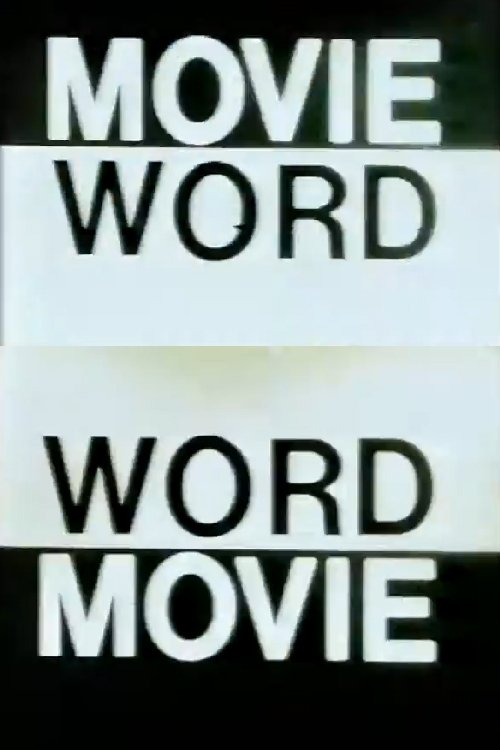
Word Movie
1966
No user ratings available yet
Representation score: 0.8 out of 10
Representation Score
Minimal
1965
Director
Paul Sharits
Runtime
1 minutes
Average Rating
No ratings yetNew Showbiz Analysis
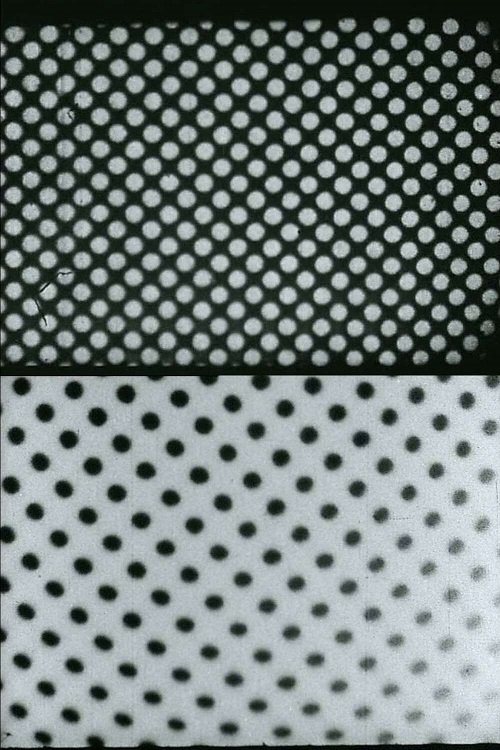
Paul Sharits' *Dots 1 & 2* is a foundational structuralist work that prioritizes the mechanics of the cinematic medium over traditional storytelling. By focusing on single-frame exposures of dot-screens, the film functions as a formalist study of visual perception. Because the work lacks a narrative arc, dialogue, or human actors, it does not engage with social representation. The absence of characters means the film cannot address identity-based themes or demographic diversity. While the film successfully disrupts conventional cinematic expectations through technical experimentation, it does so through a formalist lens rather than a sociological one.
Category Breakdown
This film is an abstract visual experiment with no characters or interpersonal dynamics, so there is no LGBTQ+ representation.
The work focuses solely on the rhythmic repetition of visual patterns and lacks any depiction of gendered characters or social hierarchies.
Since it is an abstract film with no cast, the film does not engage with racial or ethnic identity.
The film's abstraction rejects traditional Western narrative structures and aligns with a postmodernist deconstruction of cinematic norms without explicitly critiquing specific institutions.
There are no characters depicted in the work, so there is no representation of physical or neurodivergent identities.
Present on Screen
Limited or Absent
Official Synopsis
Single frame exposures of dot-screens.
1966
1969
1965

1961
1994

1959
1969

1967
No reviews yet. Be the first to share your thoughts on this movie!
Use the rating form above to leave a star rating and optional review.