
Eyewash
1959
No user ratings available yet
Diversity score: 1.1 out of 10
1953
Director
Robert Breer
Runtime
3 minutes
Average Rating
No ratings yetSynopsis
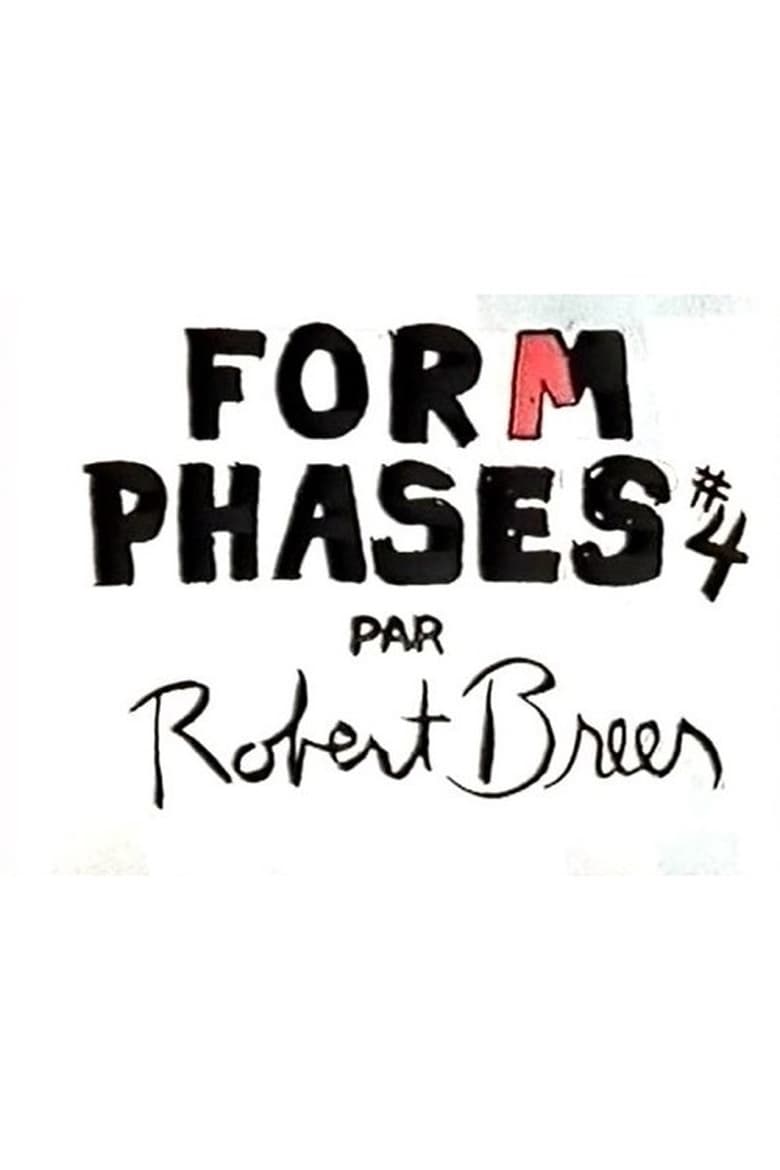
Breer's earliest experiments in animation are wonderfully dense yet lyrical abstractions based on Breer's own geometric paintings. - Harvard Film Archive
Overall Score
Minimal
Category Breakdown
LGBTQ+ Representation
The film features no characterization or interpersonal dynamics. As a work of pure geometric abstraction, it lacks any depiction of sexual orientation or gender identity.
Gender Representation
Lyrical abstractions based on geometric paintings replace human figures. The medium eschews social roles, meaning it neither reinforces nor subverts traditional gender hierarchies.
Racial & Ethnic Diversity
The visual language focuses entirely on shape, movement, and color theory. Without a human cast, ethnic identifiers are absent from this formalist study.
Religious & Cultural Diversity
The film aligns with avant-garde values by prioritizing abstract form over didactic storytelling. It offers a secular, experimentalist approach to subjective visual experience.
Disability Representation
There are no characters present in the work. Consequently, the film does not depict any physical or neurodivergent lived experiences.
Strengths
Areas for Improvement
AI Analysis
Form Phases IV is a formalist experiment in animation that prioritizes geometric abstraction over human narrative. Because the film focuses on the deconstruction of the medium through shape and color, it exists entirely outside the parameters of social identity politics. While the work lacks any representation of gender, race, or orientation, its score reflects its genre rather than a specific commentary on exclusion. It functions as a critique of conventional mid-century narrative expectations by embracing a non-traditionalist, avant-garde aesthetic. Ultimately, the film is a study of movement and form. It does not engage with human social structures, making traditional diversity metrics inapplicable to its abstract visual language.
1959
1969
1986
1978

1970

1961
1974
1926
1972
1921
1969
1958
No reviews yet. Be the first to share your thoughts on this movie!
Use the rating form above to leave a star rating and optional review.