Arabesque
1975
No user ratings available yet
Representation score: 7.5 out of 10
Representation Score
Minimal
1979
Director
Ed Emshwiller
Runtime
3 minutes
Average Rating
No ratings yetNew Showbiz Analysis
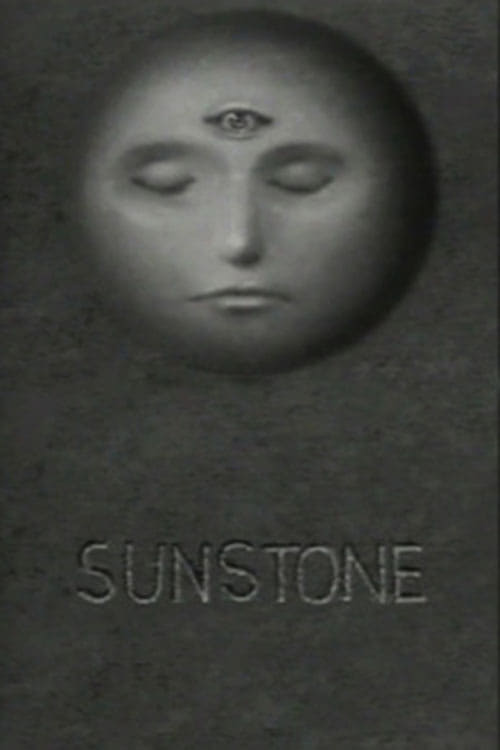
Sunstone is an early example of computer animation that operates through pure abstraction. Since it is a non-narrative, experimental short, it lacks a conventional plot, dialogue, or human characters. Because the film focuses on light, geometry, and digital textures, it does not fit typical measures of identity-based representation. Instead, it explores the formal qualities of technology. Ultimately, the absence of human subjects means the film cannot meet criteria for characters who reflect more than one aspect of diversity or ability to act.
Category Breakdown
This film does not include any characters or romantic pairings related to LGBTQ+ themes. Its abstract nature means it doesn't represent any gendered identities either.
The film avoids traditional gender roles by focusing solely on visual effects and light patterns, rather than depicting masculinity or femininity.
The work does not feature any human subjects and therefore does not engage with racial or ethnic diversity through casting.
Set within a postmodern tradition, the film prioritizes sensory experiences and abstract patterns over traditional Western storytelling elements like heroes and conflicts.
There are no characters in the film, so there is no opportunity to represent individuals with physical or neurodivergent conditions.
Present on Screen
Limited or Absent
Official Synopsis
Experimental computer animation from pioneering artist Ed Emshwiller.
1975
1987
1971
1958

1971
1972
1957
1968
No reviews yet. Be the first to share your thoughts on this movie!
Use the rating form above to leave a star rating and optional review.