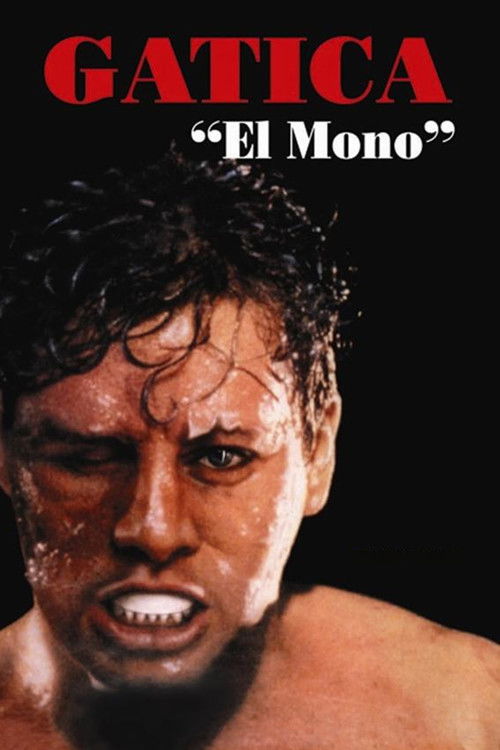
Gatica, the Monkey
1993
No user ratings available yet
Diversity score: 4.4 out of 10
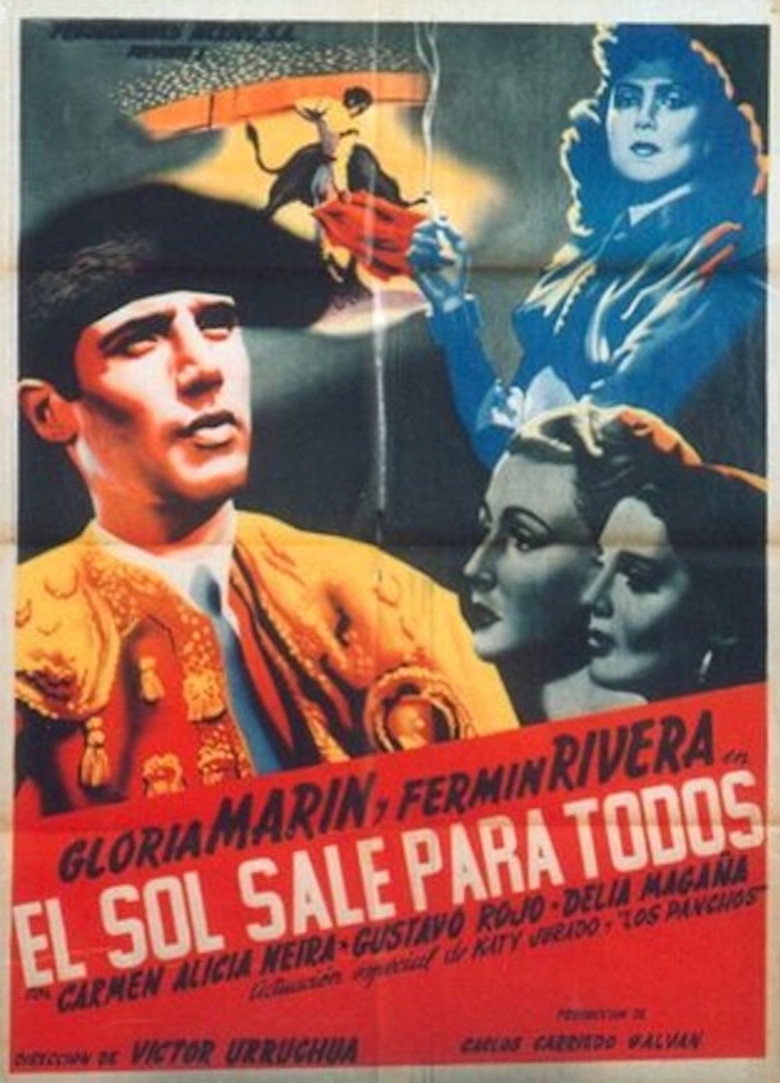
1950
TV-14Director
Víctor Urruchúa
Runtime
99 minutes
Average Rating
No ratings yetSynopsis
A bullfighter suffers an accident during an afternoon of bullfighting in a town square and his ex-lover tells his story.
Overall Score
Fair
Category Breakdown
LGBTQ+ Representation
The film lacks discernible non-cisnormative identities or narratives. Character dynamics center on traditional romantic pairings and conventional gendered intimacy without queer agency.
Gender Representation
The plot centers on a male bullfighter, yet an ex-lover serves as the narrative vessel. This female perspective provides agency in shaping the protagonist's legacy.
Racial & Ethnic Diversity
The film features a predominantly Mexican and Mestizo cast. It avoids whitewashing by prioritizing the indigenous and mestizo experience as the central human condition.
Religious & Cultural Diversity
Social realism drives the narrative, focusing on the hardships of lower socioeconomic classes. The film critiques systemic inequality and the friction within social stratification.
Disability Representation
A bullfighter's accident introduces themes of physical trauma and bodily vulnerability. It remains unclear if this disability offers agency or serves as a fatalistic plot device.
Strengths
Areas for Improvement
AI Analysis
El sol sale para todos excels as a piece of social realism, offering an authentic look at mid-20th-century Mexican class struggles. By centering a Mestizo cast, the film avoids the peripheral treatment of indigenous identities often seen in Western imports. However, the film is limited by the era's social constraints. It lacks LGBTQ+ representation and relies on traditional gender roles, even if the female narrator provides a necessary lens for the story. Ultimately, the film's strength lies in its socioeconomic critique rather than modern intersectional diversity. It captures the demographic realities of its setting through a lens of systemic struggle.
1993
1976
1995
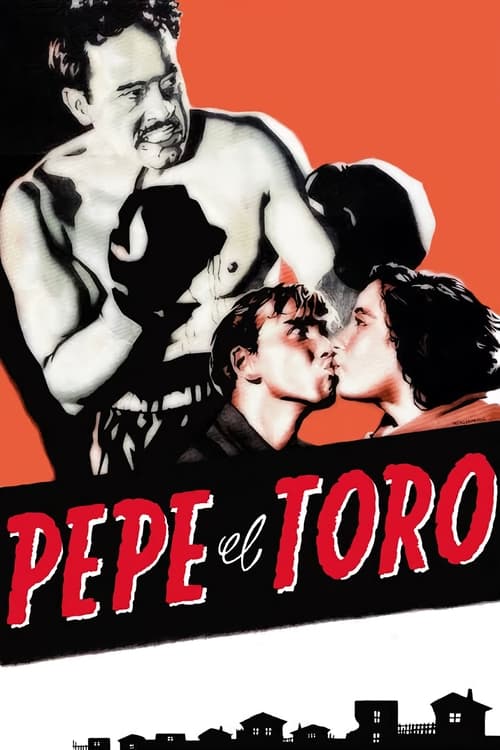
1953
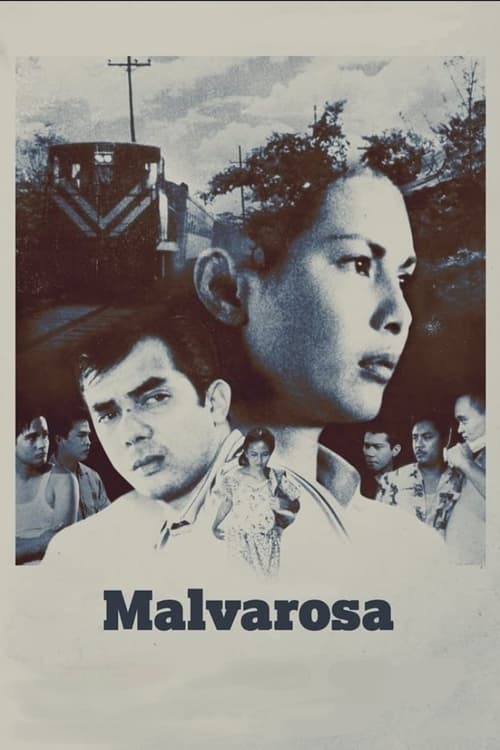
1958

1949

1948
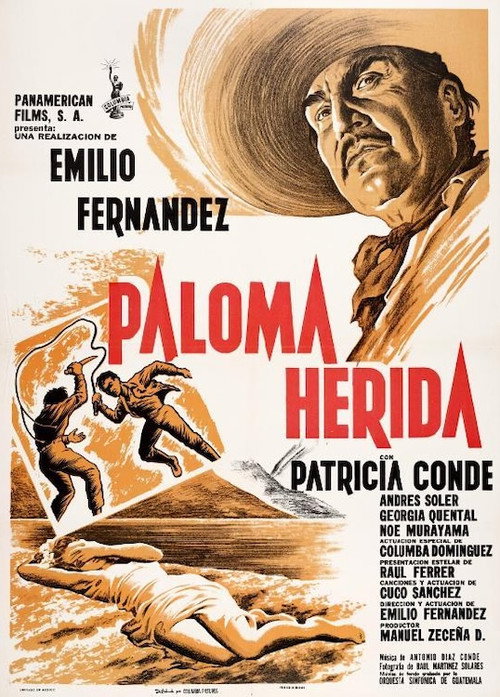
1963
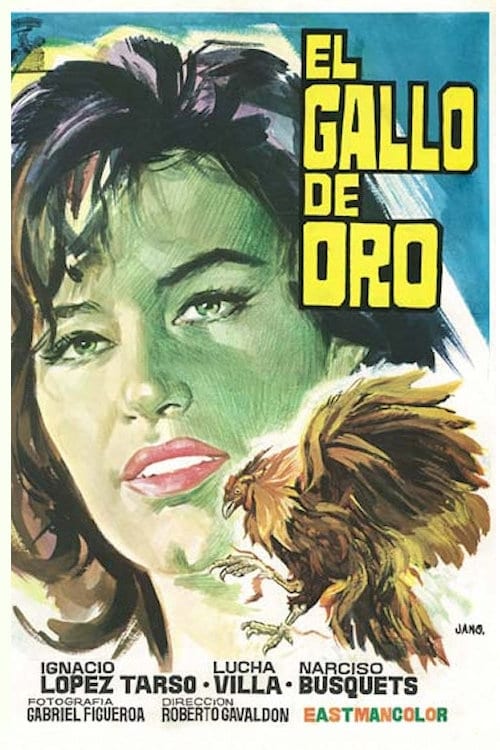
1964

1974
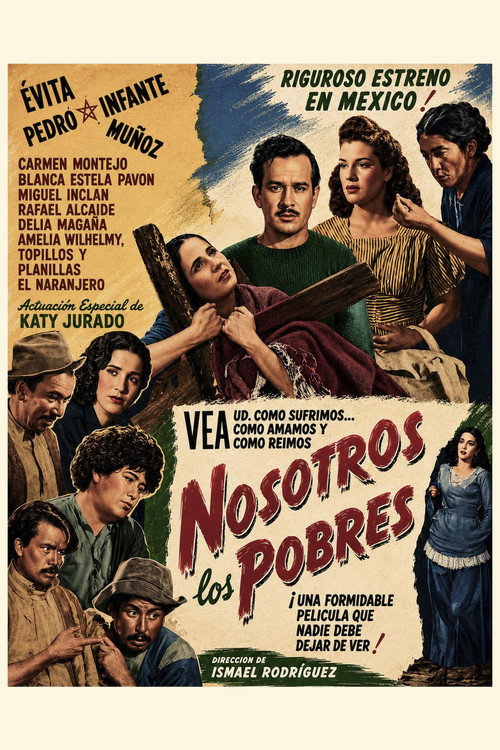
1948
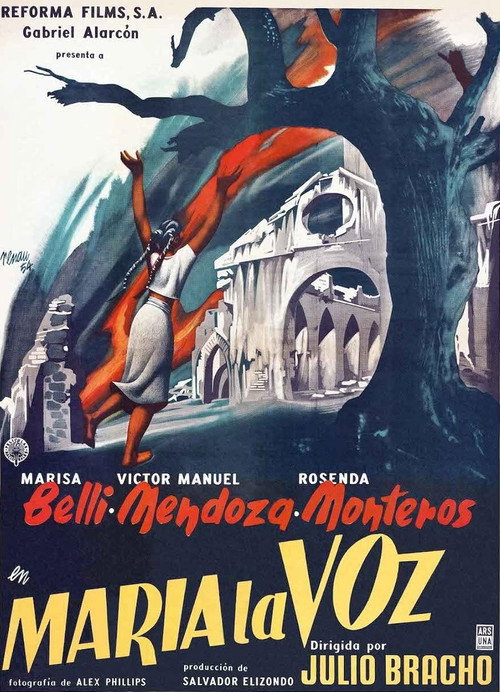
1955
No reviews yet. Be the first to share your thoughts on this movie!
Use the rating form above to leave a star rating and optional review.