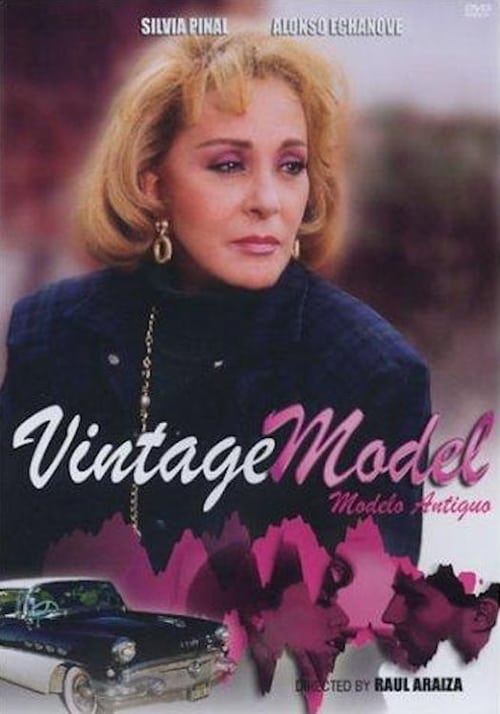
Vintage Model
1992
No user ratings available yet
Diversity score: 4.7 out of 10

1995
Director
Raúl Araiza
Runtime
113 minutes
Average Rating
No ratings yetSynopsis
Ricardo Alfaro is a popular composer and singer who has failed in life because of alcohol. However, things change when he meets Teresa Montes, a young talented singer, that sings Ricardo's songs with a great public acceptance. Teresa became famous and Ricardo returns to the pinnacle of success, the hazy past seems to have been left behind. They fall in love, but both will face hell in Ricardo's alcoholism.
Overall Score
Limited
Category Breakdown
LGBTQ+ Representation
The film focuses on a heterosexual romantic pairing between Ricardo and Teresa. It lacks non-cisnormative identities or narratives that challenge heteronormativity, adhering to traditional 1990s melodrama tropes.
Gender Representation
Teresa shows professional agency, but the plot centers on the male protagonist's instability. This reinforces conventional roles where the woman acts as a catalyst for the man's success.
Racial & Ethnic Diversity
As a Mexican production, the film provides regional authenticity. However, it lacks specific evidence of multi-ethnic casting or an active disruption of racial hierarchies.
Religious & Cultural Diversity
The story explores personal morality and addiction through a conventional lens. It prioritizes individual struggle and romantic devotion over the deconstruction of institutional or social norms.
Disability Representation
Alcoholism is treated as a central plot driver and source of conflict. The portrayal functions more as a melodramatic trope than a nuanced exploration of mental health agency.
Strengths
Areas for Improvement
AI Analysis
Perdóname Todo is a traditional character drama that prioritizes personal melodrama over systemic critique. The narrative centers on the cyclical nature of addiction and the volatility of fame through a heterosexual lens. While the film offers regional cultural authenticity as a Mexican production, it does not actively challenge established social hierarchies. The character dynamics lean toward conventional mid-90s tropes regarding gender and dependency. Ultimately, the work functions as a study of individual psychological struggle rather than a tool for progressive social restructuring or intersectional storytelling.
1992
1955
1991

2021

1962
1984
1952

2009
1955
1980
1958
1952
No reviews yet. Be the first to share your thoughts on this movie!
Use the rating form above to leave a star rating and optional review.