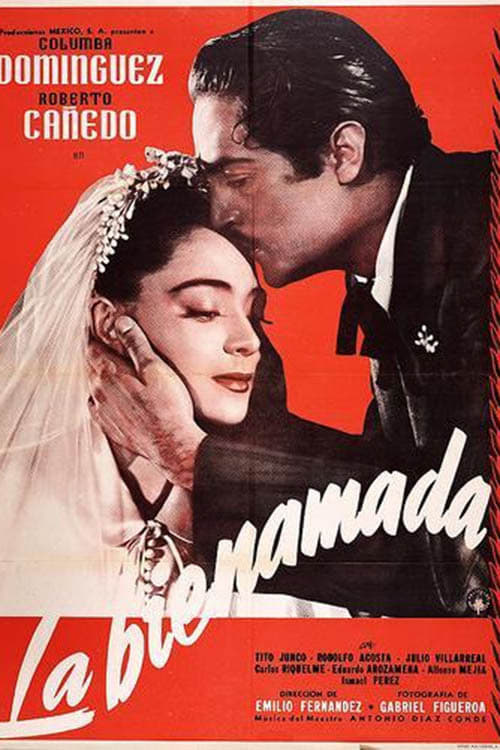
La bienamada
1951
No user ratings available yet
Representation score: 3.4 out of 10
Representation Score
Limited
1948
Director
Emilio Fernández
Runtime
110 minutes
Average Rating
No ratings yetNew Showbiz Analysis
Emilio Fernández’s work is a cornerstone of Mexican cultural nationalism. By focusing on mestizo and indigenous experiences, the film challenges the colonial perspective and the 'othering' of non-Western subjects in mid-century global cinema. However, the film adheres to the patriarchal structures of its time. Women are central figures, but they often play traditional melodramatic roles of suffering rather than actively challenging gender hierarchies. Ultimately, the film is a study in identity, emphasizing the dignity of the Mexican rural landscape and its people, even while working within conservative social and moral frameworks.
Category Breakdown
The film follows the social and cinematic norms of 1948 and does not include any identifiable LGBTQ+ characters or non-straight gender expressions.
Women in the film are often portrayed as strong and tragic, but their influence is often limited to roles of martyrdom. The movie emphasizes traditional masculine leadership and honor based on machismo.
The film stands out by highlighting Mexican and indigenous identities. It features a predominantly Mexican cast, which helps to counter the Anglo-centric norms of the time.
The story explores conflicts between state institutions and local power structures. Religious themes align with the era's culture, but the focus remains on rural justice.
There is no information about the inclusion or portrayal of characters with physical or neurodivergent disabilities.
Present on Screen
Limited or Absent
Official Synopsis
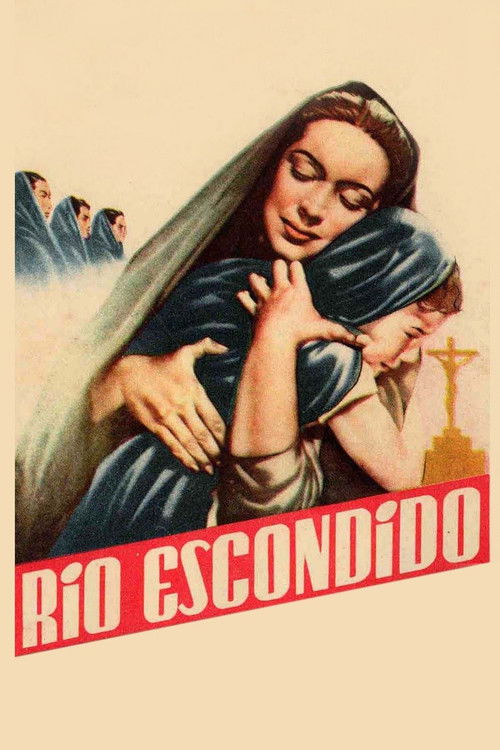
Called by the Mexican President himself, a rural teacher goes to work in a village that is dominated by a malevolent chieftain.
1951
1962
1960
1955
1945
1949
1954

1952
No reviews yet. Be the first to share your thoughts on this movie!
Use the rating form above to leave a star rating and optional review.