Chronicle of a Boy Alone
1965
No user ratings available yet
Diversity score: 5.8 out of 10
1993
Director
Leonardo Favio
Runtime
136 minutes
Average Rating
No ratings yetSynopsis
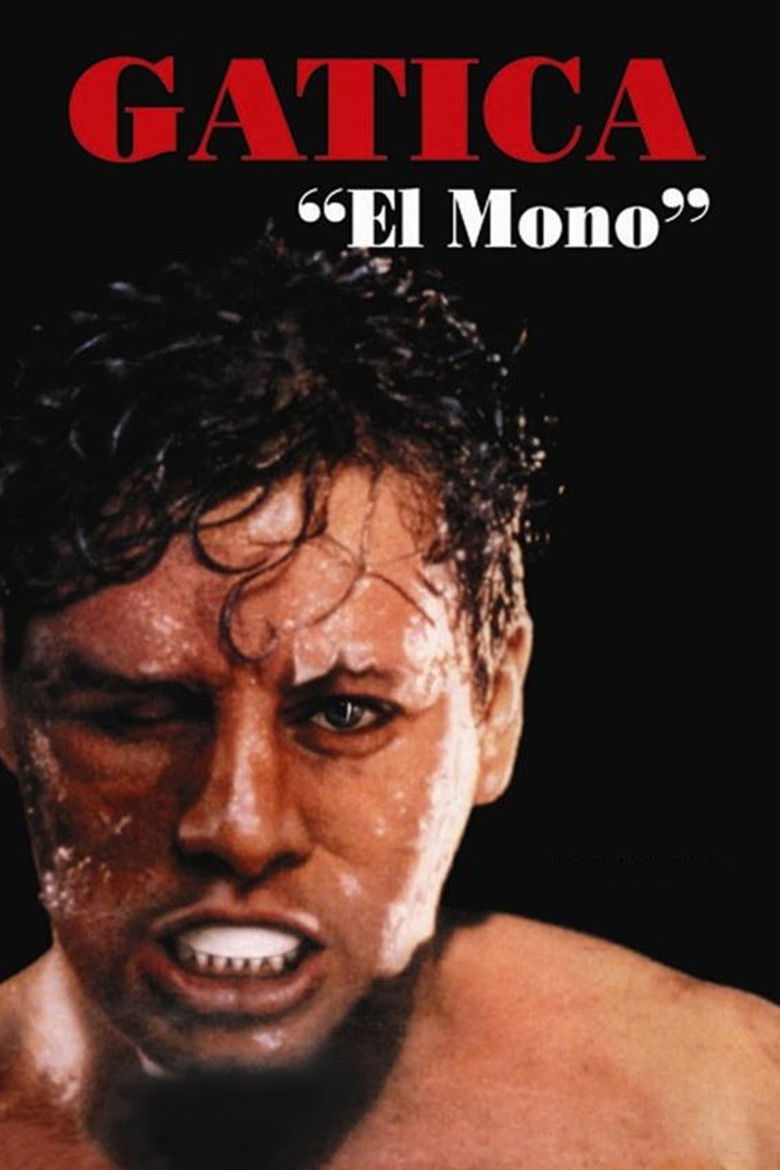
The story of José María Gatica, better known as Gatica el Mono, Argentina's main boxing star during the 1940s and 50s. The film follows his ascent, his relation with peronism and their downfall.
Overall Score
Fair
Category Breakdown
LGBTQ+ Representation
The film lacks explicit LGBTQ+ characters or non-cisnormative identities. The story remains focused on the protagonist's struggles within a traditional social framework.
Gender Representation
Gender roles reflect the patriarchal and rural realities of the era. While not promoting submissive femininity, the film lacks a subversion of traditional gender hierarchies.
Racial & Ethnic Diversity
The narrative provides meaningful representation of the Argentine working class and rural poor. It avoids whitewashing by centering the lived experiences of those outside the elite social strata.
Religious & Cultural Diversity
The film offers a strong critique of economic systems and institutional structures. It portrays the system as a force that both enables and consumes the individual.
Disability Representation
There is no significant focus on visible or invisible disabilities. Physical struggles are presented as consequences of socioeconomic deprivation rather than an exploration of disability agency.
Strengths
Areas for Improvement
AI Analysis
Leonardo Favio’s drama provides a sophisticated social realist critique of mid-20th-century Argentina. By following José María Gatica’s rise from extreme poverty to boxing stardom, the film exposes the friction between individual agency and rigid class structures. The film excels in its portrayal of class-based struggles and the authentic textures of the Argentine working class. It avoids the polished tropes of historical dramas, opting instead for a gritty, anti-capitalist lens that deconstructs the concept of social mobility. However, the film's impact is limited by a lack of diversity in other identity-based categories. There is no meaningful representation of LGBTQ+ identities or disability, and gender roles remain tethered to the traditional patriarchal norms of the period.
1965

2007
1986
1950
1995

1965
1973

2003

1962
1970
1946

2024
No reviews yet. Be the first to share your thoughts on this movie!
Use the rating form above to leave a star rating and optional review.