
The Canary Murder Case
1929
No user ratings available yet
Representation score: 0.4 out of 10
Representation Score
Minimal
1933
NRDirector
Michael Curtiz
Runtime
73 minutes
Average Rating
No ratings yetNew Showbiz Analysis
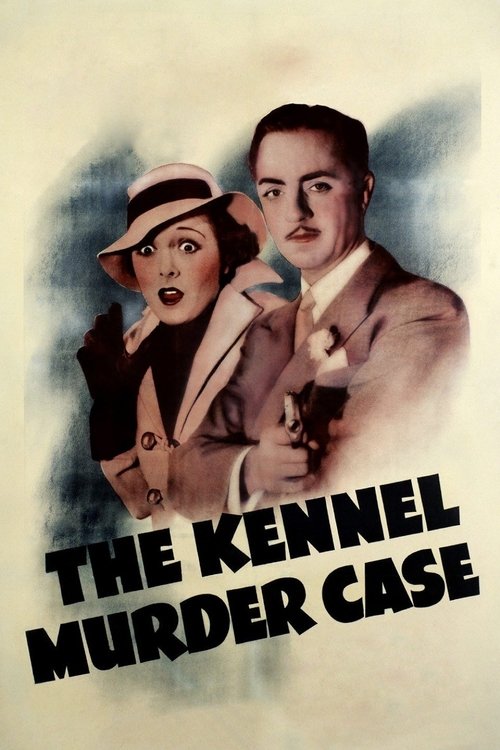
The Kennel Murder Case is a classic product of the Pre-Code era, strictly adhering to the social and demographic norms of 1930s Hollywood. The film operates as a traditional manor house mystery that prioritizes class-based hierarchies and homogeneous social circles. Representation is limited across all categories, with the narrative structure reinforcing established institutions rather than challenging them, resulting in a world defined by traditional Western norms and a lack of diverse perspectives.
Category Breakdown
The film does not include any LGBTQ+ characters or individuals with non-cisgender identities. The social interactions are centered around heterosexual relationships typical of 1930s studio productions.
Female characters are primarily seen in domestic or social settings, acting as socialites, victims, or suspects. They react to the unfolding mystery rather than driving the investigation forward.
The cast is predominantly white, reflecting the early 1930s studio practices. A Chinese vase used in the plot serves as a prop but does not offer meaningful representation or character development.
The story upholds traditional Western social structures and the importance of the upper-class estate. It emphasizes the restoration of order through established legal and deductive methods.
The film does not depict any visible or invisible disabilities. Characters are shown within the standard physical and mental health norms expected in the mystery genre.
Present on Screen
Limited or Absent
Official Synopsis
Philo Vance, accompanied by his prize-losing Scottish terrier, investigates the locked-room murder of a prominent and much-hated collector whose broken Chinese vase provides an important clue.
1929
1941
1929
1946
1937
1945

1930

1934
No reviews yet. Be the first to share your thoughts on this movie!
Use the rating form above to leave a star rating and optional review.