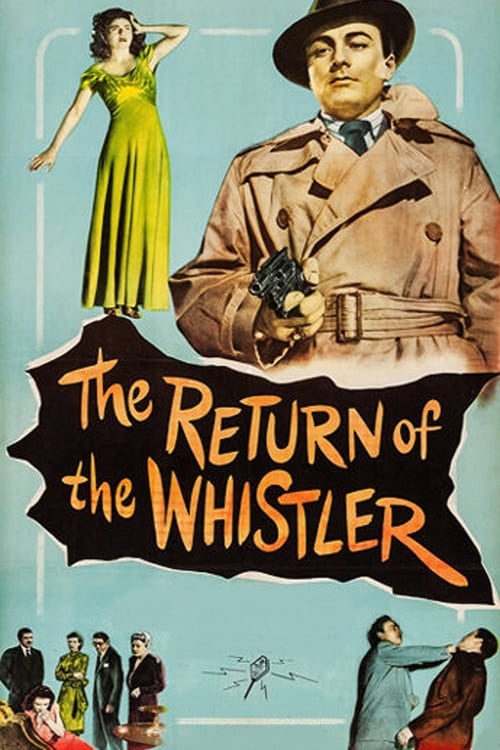
The Return of the Whistler
1948
No user ratings available yet
Representation score: 0.5 out of 10
Representation Score
Limited
1946
NRDirector
Joseph H. Lewis
Runtime
71 minutes
Average Rating
No ratings yetNew Showbiz Analysis
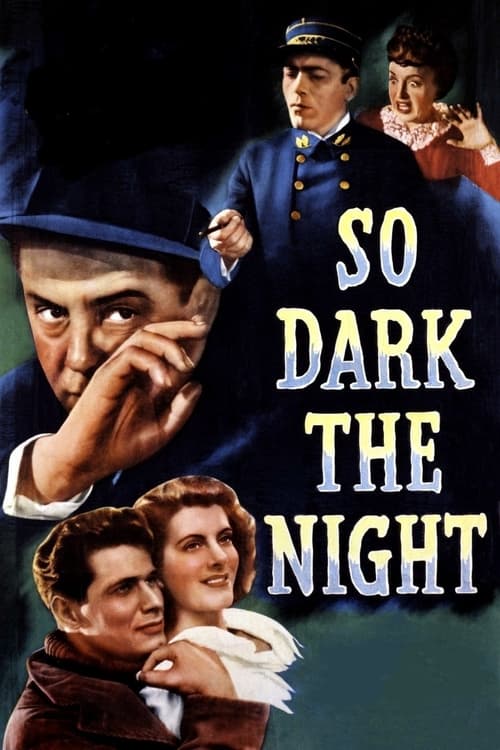
So Dark the Night is a genre-driven noir that largely upholds the social and demographic norms of the mid-1940s. While it steers clear of the most passive 'damsel' archetypes by featuring manipulative female characters, these roles remain tied to conventional noir clichés. The film lacks complexity in representing multiple aspects of identity, offering almost no racial diversity or disability representation. It functions primarily as a study of individual crime and consequence, rather than a critique of broader social or cultural systems. Ultimately, the work is a product of its time, prioritizing stylistic grit and psychological tension over progressive representation or systemic deconstruction.
Category Breakdown
The film adheres to a traditional framework that assumes everyone is straight and cisgender. It does not include any non-cisgender identities or same-sex relationships.
Female characters take significant roles through psychological manipulation and blackmail. However, these roles often fall into the femme fatale stereotype, portraying female assertiveness as predatory.
The production mirrors the demographic homogeneity of the 1940s. It lacks a non-white majority cast or any deliberate effort to include diverse ethnic perspectives.
The story centers on individual morality and paranoia, avoiding systemic critiques of cultural or religious institutions. It does not challenge Western institutions or offer anti-establishment sentiments.
There is no representation of physical, sensory, or neurodivergent disabilities. Psychological tension is used as a plot driver rather than a nuanced portrayal of lived experiences.
Present on Screen
Limited or Absent
Official Synopsis
Inspector Cassin, a renowned Paris detective, departs to the country for a much-needed break. There he falls in love with the innkeeper’s daughter, Nanette, who is already betrothed to a local farmer. On the evening of their engagement party, Nanette and the farmer both disappear. Cassin takes up the case immediately to discover what happened to them and who is responsible.
1948

1944

1945
1945
1941
1941
1946
1946
No reviews yet. Be the first to share your thoughts on this movie!
Use the rating form above to leave a star rating and optional review.