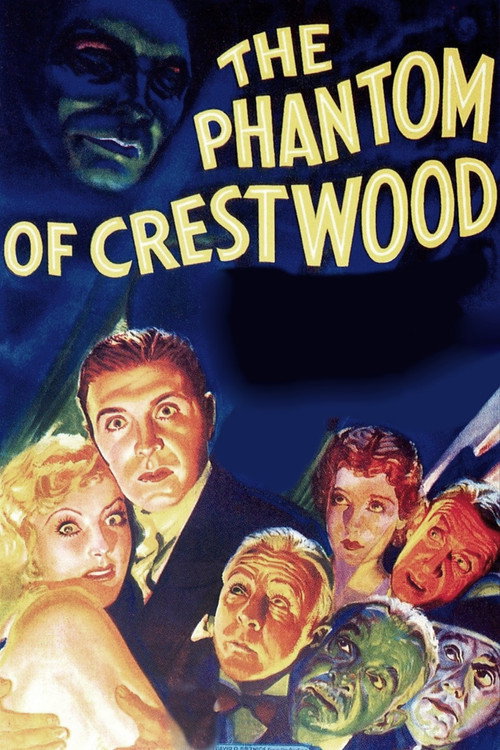
The Phantom of Crestwood
1932
No user ratings available yet
Diversity score: 1.4 out of 10
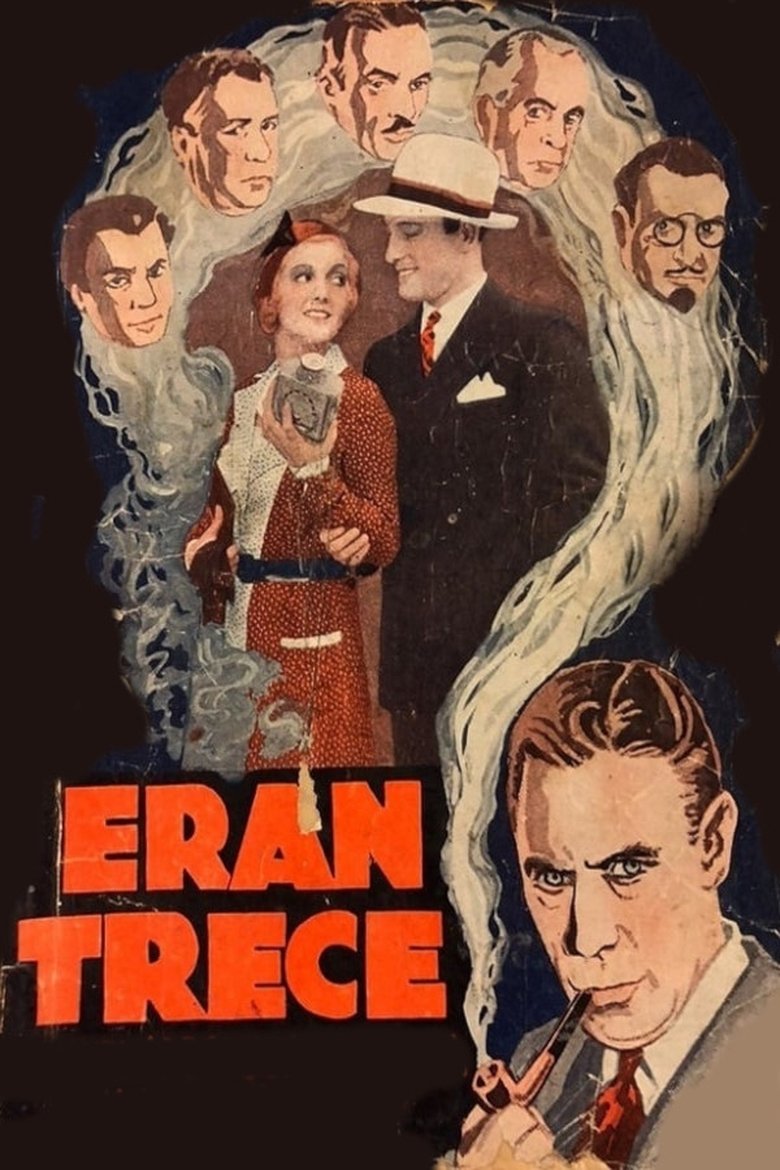
1931
NRDirector
David Howard
Runtime
79 minutes
Average Rating
No ratings yetSynopsis
This is the Spanish-language version, with a different cast and crew, of the Charlie Chan film Charlie Chan Carries On, in which Charlie sets out to discover the killer of an American found dead in a London hotel room.
Overall Score
Minimal
Category Breakdown
LGBTQ+ Representation
The narrative architecture is strictly heteronormative. It focuses on the legal mechanics of a murder trial without any queer narratives or non-cisnormative identities.
Gender Representation
The film functions within a heavily male-centric professional sphere. Female presence is relegated to the periphery, reinforcing traditional patriarchal hierarchies in the courtroom.
Racial & Ethnic Diversity
The cast and setting reflect the homogeneous social structures of the early 1930s. There is no evidence of intersectional casting or characters of color with significant agency.
Religious & Cultural Diversity
The film prioritizes the stability of Western judicial institutions. It functions as a study of truth within established societal frameworks rather than critiquing them.
Disability Representation
There is no evidence of characters with visible or invisible disabilities. The narrative treats all participants as able-bodied individuals within the legal drama.
Strengths
Areas for Improvement
AI Analysis
There Were Thirteen is a traditional procedural drama that operates within the conventional social and institutional boundaries of the early 1930s. The film focuses on the sanctity of the jury system and the formal legal process, prioritizing institutional stability over social critique. The narrative lacks meaningful representation across all analyzed vectors. It adheres to the standard demographic norms of its era, offering little to no subversion of traditional hierarchies or intersectional perspectives. Ultimately, the film serves as a study of individual responsibility within a standard Western framework, maintaining a highly traditional and non-progressive cinematic structure.
1932
1940
1933
1929

1929
1952
1934
1941
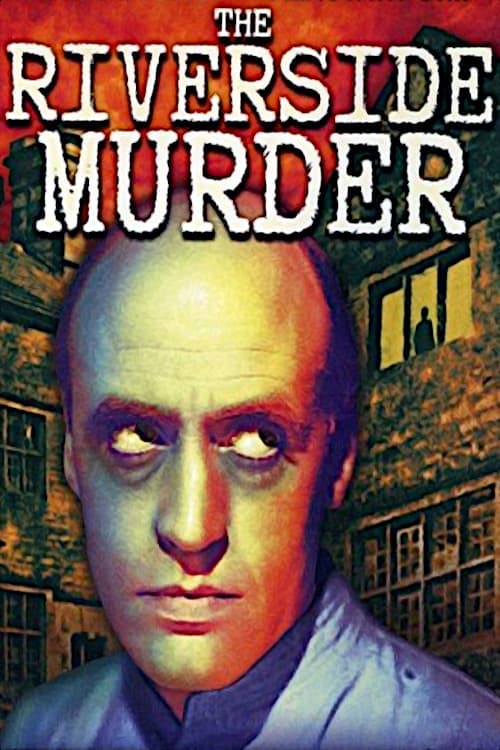
1935
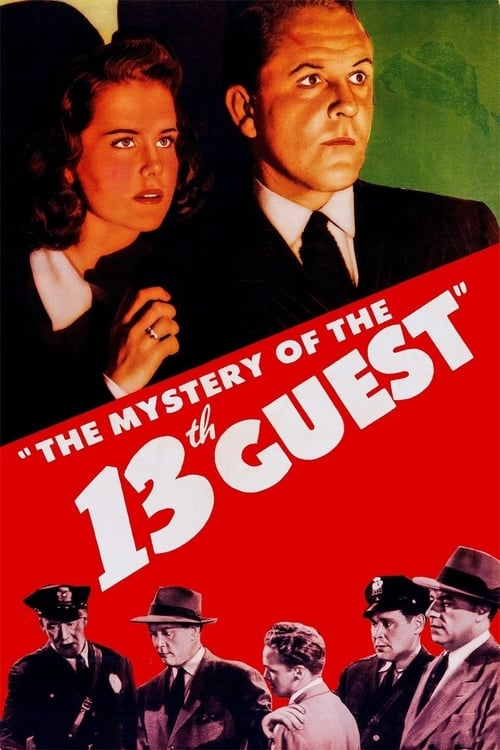
1943
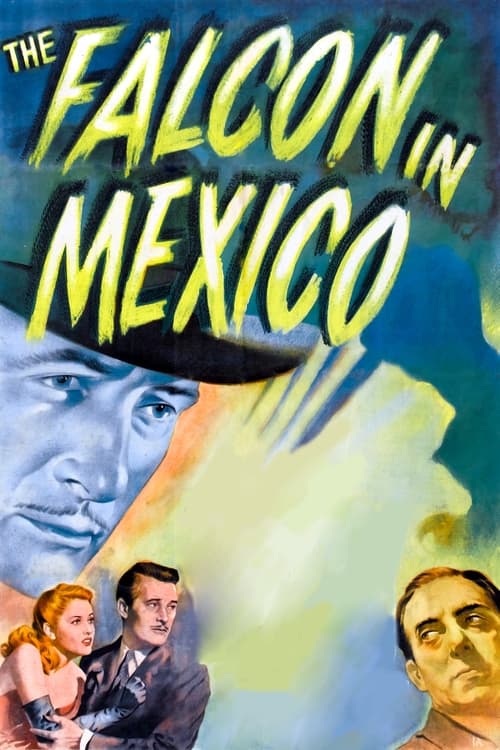
1944
1934
No reviews yet. Be the first to share your thoughts on this movie!
Use the rating form above to leave a star rating and optional review.