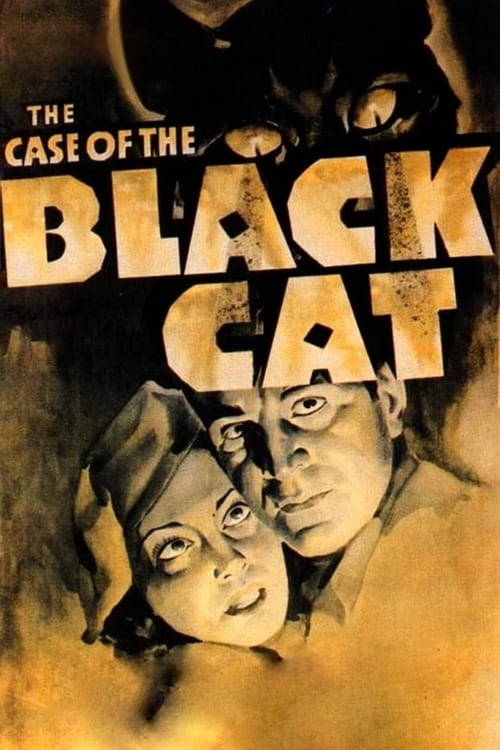
The Case of the Black Cat
1936
No user ratings available yet
Diversity score: 2.2 out of 10
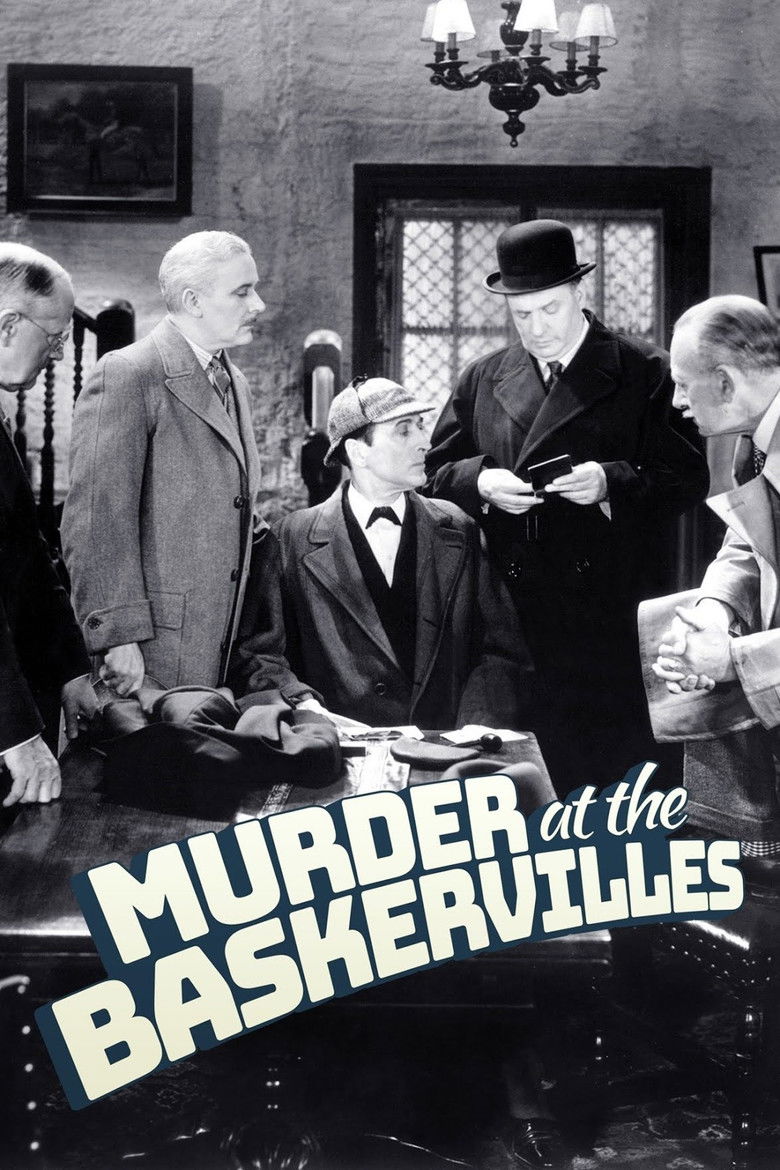
1937
NRDirector
Thomas Bentley
Runtime
71 minutes
Average Rating
No ratings yetSynopsis
Holmes takes a vacation and visits his old friend Sir Henry Baskerville. His vacation ends when he suddenly finds himself in the middle of a double-murder mystery. Now he's got to find Professor Moriarty and the horse Silver Blaze before the great cup final horse race.
Overall Score
Minimal
Category Breakdown
LGBTQ+ Representation
The film focuses entirely on the mechanics of a crime mystery. There are no depictions of non-cisnormative identities or same-sex intimacy.
Gender Representation
Agency is concentrated almost exclusively in Sherlock Holmes and his male professional circle. Women are not central to the plot, reinforcing a patriarchal investigative structure.
Racial & Ethnic Diversity
The cast and setting reflect a homogeneous Anglo-Saxon social strata. There is a lack of characters of color with significant agency in the narrative.
Religious & Cultural Diversity
The story reinforces traditional British class hierarchies and Western institutions. It seeks to restore order through logic and law rather than challenging the status quo.
Disability Representation
There are no notable depictions of physical or neurodivergent characters with agency. The narrative focuses solely on the detective's cognitive faculties.
Strengths
Areas for Improvement
AI Analysis
Silver Blaze is a traditional 1937 mystery that functions as a period piece, strictly adhering to the social and demographic constraints of its era. The narrative prioritizes established hierarchies and lacks any intentional effort to subvert systemic norms. The film's structure is built around a homogeneous, Anglo-Saxon upper-class setting. It operates within a narrow social framework that excludes diverse identities, focusing instead on the deductive logic of a masculine-dominated professional world. Ultimately, the work serves as a faithful adaptation of literary canon that upholds the status quo of the 1930s rather than offering a diverse or intersectional perspective.
1936
1934
1940
1933
1940
1944
1948
1952
1939
1941
1946
1940
No reviews yet. Be the first to share your thoughts on this movie!
Use the rating form above to leave a star rating and optional review.